-
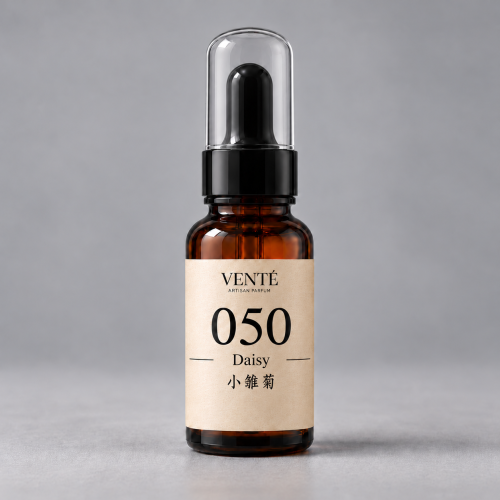 Daisy, botanically known as Bellis perennis, has long been called the “eye of the sun” in European folklore. In Norse mythology, it was associated with Freyja, goddess of love and spring, symbolizing renewal and innocent affection. During the Middle Ages, young maidens would pluck its petals while whispering “loves me, loves me not,” entrusting their hearts to the flower’s answer, making it a timeless emblem of youthful romance. In Victorian floriography, Daisy represented innocence, loyalty, and feelings kept quietly within. In modern perfumery, Daisy is interpreted as a bright and fresh floral note with soft green nuances, reminiscent of white blossoms dancing across a sunlit meadow. From mythic springtime to contemporary fragrance, Daisy carries purity, hope, and effortless joy.
-
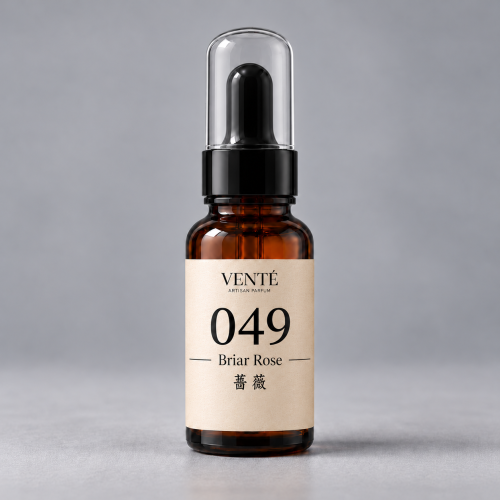 Rose has long been known as the “queen of flowers.” In Greek mythology, the tears of the goddess of love, Aphrodite, mingled with the blood of her beloved Adonis, creating the first red rose, symbolizing love and sacrifice. In ancient Rome, rose petals were scattered across banquets and weddings to represent celebration and prosperity, while Persian poets paired the rose with the nightingale as a metaphor for passionate yet unspoken love. During the Middle Ages, roses were regarded as sacred flowers in monasteries, representing purity and spiritual devotion. As perfumery evolved, rose became one of the most essential floral materials in fragrance history, expressing everything from dewy morning freshness to deep, velvety richness. From mythic romance to royal emblem, Rose embodies passion, elegance, and timeless emotion.
-
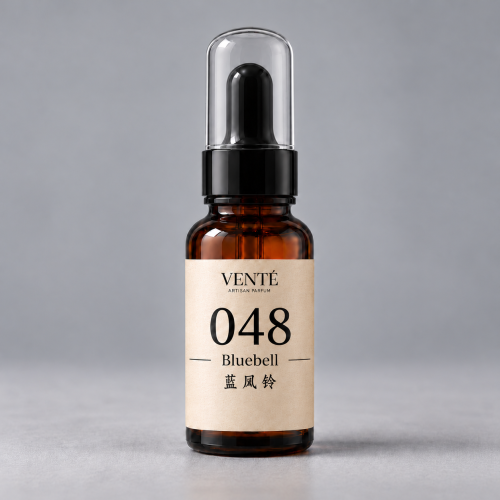 Bluebell, known in European folklore as the “fairy bell of the forest,” bears the botanical name Hyacinthoides non-scripta. Ancient Celtic legends believed bluebell woods were sacred realms where fairies dwelled, and when the flowers swayed in the morning breeze, faint chimes could be heard calling those with pure hearts into hidden worlds. In medieval England, it was said that lovers who walked together through a bluebell field would receive blessings, while those who carelessly picked the blooms might disturb the forest spirits. Bluebell thus symbolizes innocence, romance, and the protective spirit of nature. In modern perfumery, its dewy freshness and delicate floral tone are interpreted as transparent and airy, like petals touched by morning mist. From enchanted woodland to contemporary fragrance, Bluebell carries purity, freedom, and the awakening hope of spring.
-
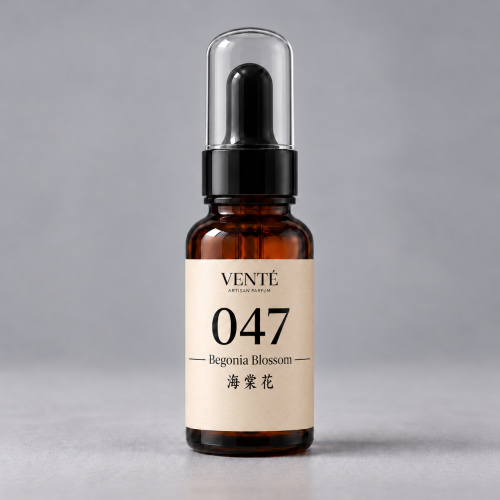 Begonia Blossom has long symbolized gentleness and poetic longing in Eastern culture, frequently appearing in classical Chinese poetry and imperial paintings, often referred to as the “noble beauty among flowers.” Legend says begonia was formed from a drop of heavenly dew left behind by a celestial flower deity, giving it a refined and restrained character. In ancient China, begonia trees were planted in inner courtyards, representing elegance, prosperity, and unspoken affection. Scholars of the Ming and Qing dynasties admired its quiet grace, believing it possessed deeper charm than more flamboyant blooms. In modern perfumery, begonia is interpreted as a soft floral note with subtle fruity sweetness, reminiscent of petals opening under gentle spring light. From classical gardens to contemporary fragrance design, Begonia Blossom carries tenderness, nostalgia, and understated elegance.
-
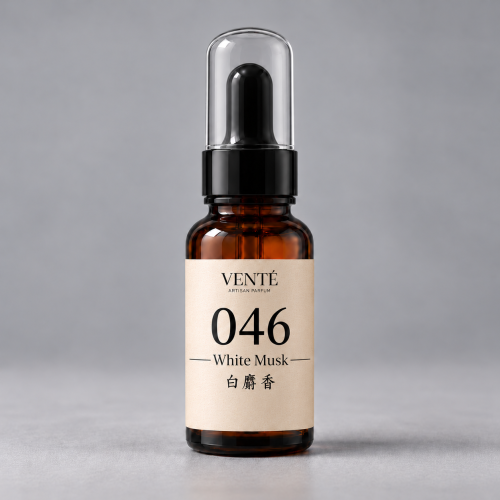 White Musk traces back to the ancient tradition of musk, originally derived from Moschus moschiferus. In ancient China, India, and the Arab world, musk was treasured as both sacred incense and precious medicine. Eastern legends described it as the breath of a mountain spirit-beast, symbolizing purity and life force, reserved only for the noble and revered. Along the Silk Road, musk became a prized trade material entering Persian and European courts, used in royal balms and religious rituals to represent sanctity and spiritual cleansing. Due to rarity and conservation, modern perfumery replaced natural musk with White Musk accords, creating a softer and cleaner scent reminiscent of warm skin and freshly laundered fabric under sunlight. From ancient mystical animal essence to contemporary skin-like elegance, White Musk carries purity, tenderness, and intimate authenticity.
-
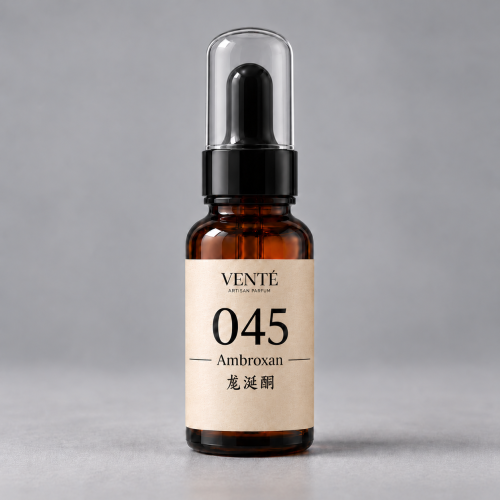 Ambroxan is one of the most iconic aroma molecules in modern perfumery, derived from the scent structure of Ambergris. Ancient Arab sailors once discovered natural ambergris floating on the sea and regarded it as a sacred gift from ocean deities, believing it to be a mystical substance left behind by great sea creatures beneath moonlight, symbolizing power and destiny. During the Middle Ages, ambergris traveled along spice routes into Persian and European courts, treasured by royalty as a symbol of wealth, authority, and desire. With scientific advancement, its core molecule Ambroxan was isolated, allowing this oceanic legend to be recreated in a stable and lasting form. Its warm, slightly salty woody aura feels like skin warmed by sunlight, carrying depth, quiet strength, and enduring presence from ancient seas to modern minimalism.
-
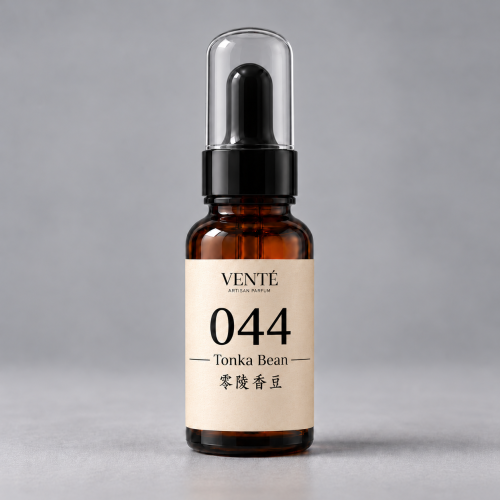 Tonka Bean, botanical name Dipteryx odorata, originates from the tropical rainforests of South America. The name “Tonka” derives from indigenous Caribbean languages, symbolizing blessing and sacred protection. In Amazonian tribal legends, Tonka Bean was believed to be a gift from the forest spirits. Lovers carried the seeds as talismans for eternal devotion, while shamans used its aroma to calm the soul and bring warmth during storms and darkness. During the colonial era, Tonka Bean was introduced to Europe, especially France and Spain. Its natural coumarin content gives a sweet almond-vanilla scent, quickly making it a cornerstone of fine perfumery. In the 19th century, French perfumers embraced it in oriental and gourmand compositions, adding softness, warmth, and sensual depth. From rainforest charm to modern fragrance foundation, Tonka Bean represents tenderness, protection, and intimate allure.
-
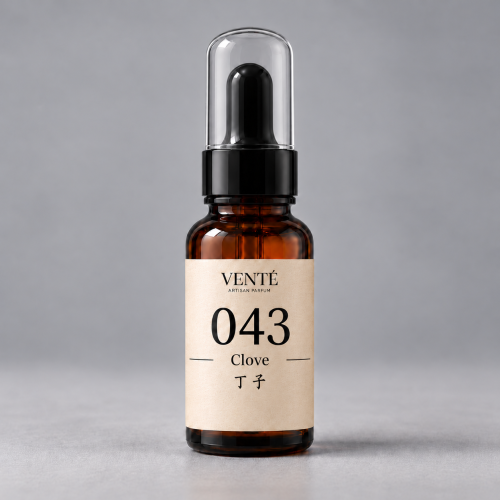 Clove, botanically known as Syzygium aromaticum, originates from the Maluku Islands of Indonesia, historically known as the “Spice Islands.” In ancient China, records from the Han Dynasty describe court officials holding cloves in their mouths before meeting the emperor as a sign of respect and refinement. As maritime trade expanded, clove traveled along Arab trade routes into the Middle East and the Mediterranean, becoming one of medieval Europe’s most valuable spices alongside cinnamon and pepper. Because its source remained distant and tightly controlled, merchants cultivated mystery around its origin to maintain high value. With the Age of Exploration in the late 15th century, the Portuguese reached the Maluku Islands, and later the Dutch established a strict monopoly through the Dutch East India Company, turning clove into a symbol of colonial power and global trade. Its intense warm spice, softened by subtle sweetness, has long been associated with protection and strength, linking imperial courts and maritime empires through its enduring aromatic presence.
-
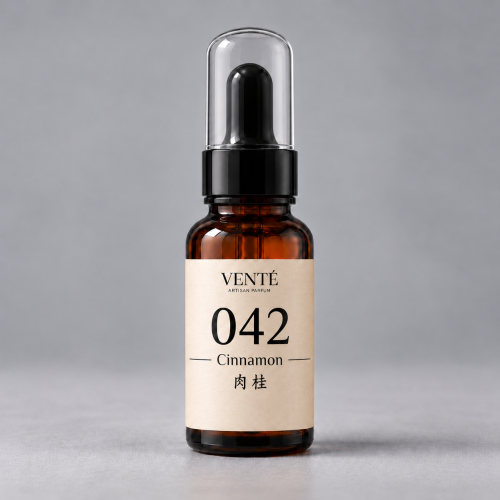 Cinnamon, botanically known as Cinnamomum verum, originates from Sri Lanka. Ancient Egyptian records describe its use in embalming and perfumed oils, marking it as a material of royal importance. For centuries, Arab traders controlled its distribution and concealed its true origin through elaborate legends—one tale claimed giant birds built nests from cinnamon sticks on high cliffs, forcing collectors to devise clever methods to retrieve them. With the rise of maritime exploration, the Portuguese reached Ceylon in the 16th century and secured control of the cinnamon trade, followed by the Dutch and later the British, making it one of the most contested spices of the colonial era. Its warm, sweet-spicy aroma has long symbolized wealth and vitality, remaining a key element in oriental and gourmand fragrance compositions.
-
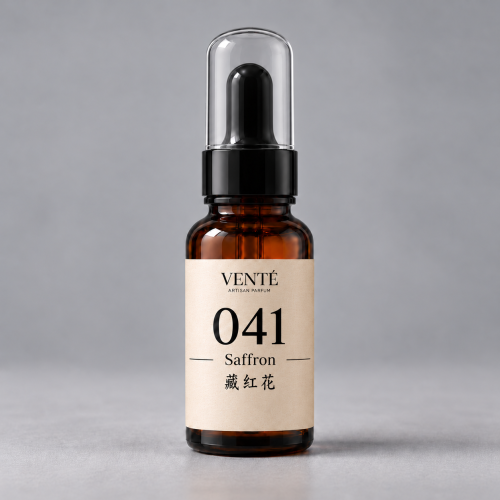 Saffron, botanically known as Crocus sativus, is linked to the Greek myth of the youth Crocus, who was transformed into a flower, his blood becoming the crimson stigmas treasured today. This story connected saffron with passion and transformation from early antiquity. In ancient Persia, it became a royal luxury used to dye textiles, scent oils, and perfume palaces. After Alexander’s campaigns, saffron spread into Greece and the Mediterranean, where it was added to baths and banquets. In Roman times, it was scattered in theaters and weddings as a display of wealth. During the medieval period, saffron traveled along the Silk Road into Arab and Eastern trade networks. Because each flower yields only three hand-harvested stigmas, it earned the name “red gold,” symbolizing rarity and prestige.
-
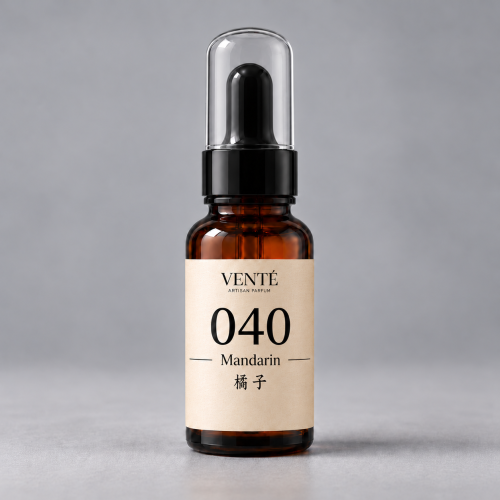 Mandarin orange belongs to the genus Citrus reticulata and originated in southern China, where cultivation dates back over two millennia. Ancient agricultural texts documented its planting and classification, and during the Han dynasty it was already considered a tribute fruit. Because the word for mandarin shares a similar pronunciation with “good fortune” in Chinese, it became a traditional symbol of prosperity. During the Tang and Song dynasties, citrus fruits spread through maritime trade routes to the Arab world and Mediterranean regions, influencing European cultivation. By the 17th century, mandarins and sweet oranges were widely planted in Spain and Italy, later becoming essential top notes in modern perfumery. Its scent is bright, juicy, and slightly bitter from the peel, making it one of the most approachable citrus materials in fragrance design.
-
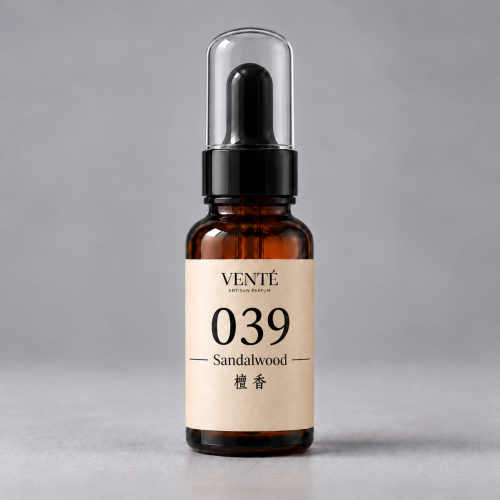 Sandalwood primarily refers to Santalum album, native to southern India and parts of Southeast Asia. References to sandalwood appear in ancient Sanskrit literature and early trade records dating back centuries BCE, where it was prized as a valuable aromatic wood. During the Roman Empire, sandalwood entered Mediterranean markets through overland and maritime trade routes. In the medieval period, Arab merchants listed it among high-value aromatic commodities, expanding its global circulation. Because mature heartwood requires decades to develop its characteristic scent and natural resources became limited, sandalwood has historically been subject to regulation and protection. Its creamy, smooth woody aroma has made it a foundational material in oriental and woody fragrances, long associated with composure and refinement.


10 Anson Road, International Plaza #03-30
Singapore 079903 (Tanjong Pagar MRT)
Mon – Fri 9.30am – 8.30pm
Sat/Sun/PH 9.30am – 6.30pm
© Copyright VENTÉ Perfume Studio 2026