-
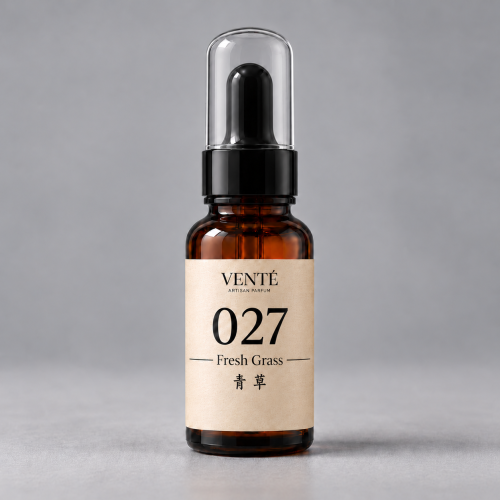 “Fresh grass” does not refer to a single plant but to the collective scent released when young blades of grass are cut. Modern phytochemical research identifies this aroma as a blend of Green Leaf Volatiles (GLVs), such as hexanal and cis-3-hexenol, compounds rapidly emitted when plant tissues are damaged as part of their defense signaling system. Since the dawn of agriculture, the smell of cut grass and drying hay has been associated with seasonal cycles, livestock husbandry, and harvest rituals. Ancient Greek and Roman writings often referenced freshly cut fields as symbols of fertility and renewal. In European rural traditions, the scent of hay became inseparable from summer festivals and barn culture. Fresh grass therefore represents not merely a botanical odor, but a sensory memory rooted in agrarian civilization and the land itself.
-
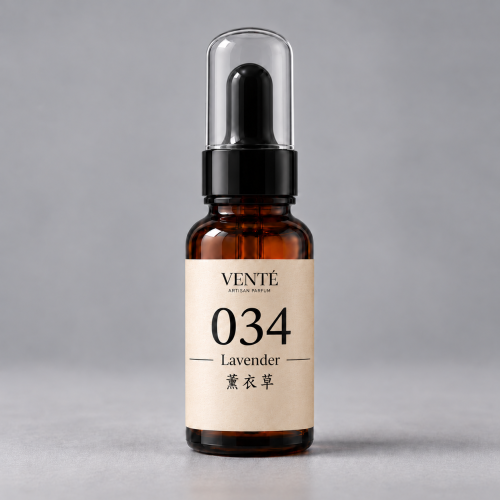 Lavender, botanically known as Lavandula angustifolia, derives its name from the Latin “lavare,” meaning “to wash.” The Romans infused it into bathwater and laundered fabrics with it, linking the plant permanently with cleansing traditions. During the Middle Ages, lavender was cultivated in European monastery gardens for herbal oils and aromatic sachets. During the 14th-century plague outbreaks, folklore claimed that workers handling lavender-infused materials were less affected—though unproven, this story strengthened its reputation as a protective herb. By the 16th century, Provence in southern France became a major cultivation center, its dry climate and high-altitude fields producing highly regarded essential oil. Over time, lavender evolved from medicinal herb to one of the most iconic aromatic plants in European perfumery, remaining a foundational material in modern fragrance composition.
-
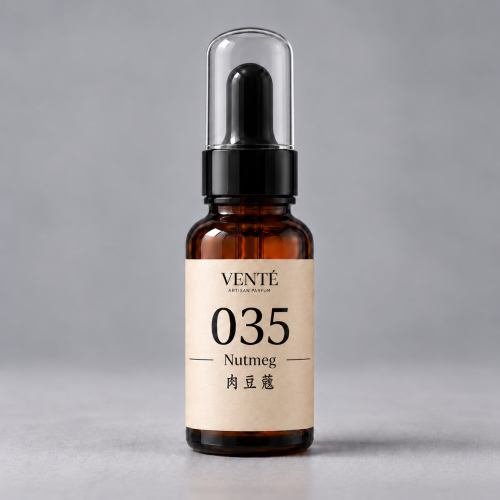 Nutmeg, botanically known as Myristica fragrans, originates from the Maluku Islands of Indonesia, historically called the “Spice Islands.” Between the 15th and 17th centuries, its rarity and reputed medicinal value drove European powers to compete fiercely for control. In 1621, the Dutch East India Company seized the Banda Islands to monopolize nutmeg production, an event that reshaped global trade history. Under the 1667 Treaty of Breda, the Dutch exchanged New Amsterdam—later New York—for control of Banda, solely to secure their nutmeg dominance. This remarkable episode cemented nutmeg’s place as one of the most historically influential spices in the world. Its warm, sweet-spicy aroma later became a cornerstone of oriental and amber fragrance compositions.
-
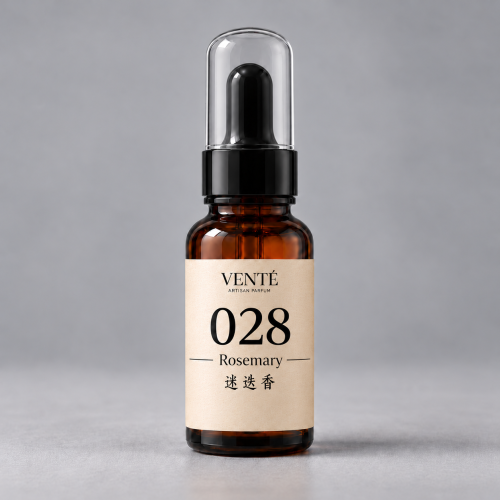 Rosemary, formerly known as Rosmarinus officinalis and now botanically classified as Salvia rosmarinus, derives its name from the Latin “ros marinus,” meaning “dew of the sea,” referencing its growth along Mediterranean coastal cliffs where sea mist settles on its leaves. In ancient Greece, students wore rosemary garlands before examinations, as it was believed to enhance memory. The Romans used it in religious ceremonies and funerary rites, symbolizing remembrance and fidelity. During the Middle Ages, brides wore rosemary at weddings as a sign of loyalty. In the 14th century, the famed “Hungary Water,” attributed to Queen Elizabeth of Hungary and infused with rosemary in alcohol, became one of the earliest known alcohol-based perfumes circulating in European courts. Rosemary thus occupies a significant place in medicinal, ritual, and perfumery history within Mediterranean culture.
-
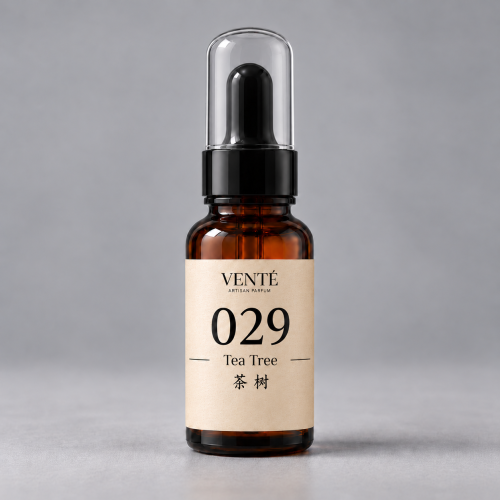 Tea tree, Melaleuca alternifolia, is native to the coastal wetlands of northern New South Wales, Australia. Long before European settlement, the Bundjalung people used crushed tea tree leaves infused in water to cleanse wounds and soothe infections. In the late 18th century, Captain James Cook’s expedition recorded that local inhabitants brewed the leaves as a beverage resembling tea, which led to the name “Tea Tree.” In the early 20th century, Australian chemist Arthur Penfold systematically studied and distilled the essential oil, demonstrating its strong antimicrobial properties. During World War II, tea tree oil was reportedly included in Australian military medical kits. Tea tree therefore bridges Indigenous traditional knowledge and modern medicinal research, standing as one of Australia’s most iconic aromatic plants.
-
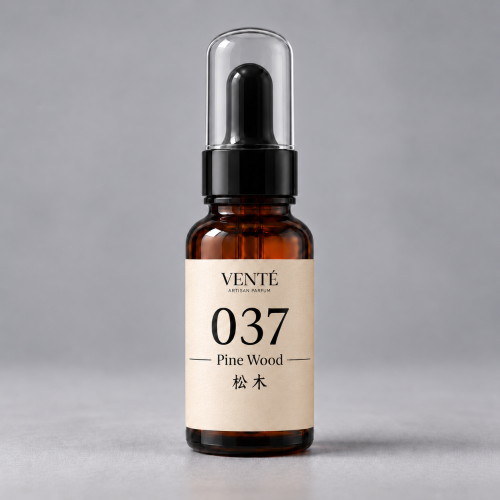 Pine belongs to the genus Pinus and is widely distributed across the temperate forests of Europe and northern Asia. In Norse mythology, pine and fir trees symbolized evergreen life and endurance through harsh winters. In ancient Rome, evergreen pine branches were used during winter solstice celebrations as symbols of eternity and renewal—traditions that later influenced European Christmas tree customs. Pine resin also held practical value: the Greeks and Romans sealed wine amphorae with resin, giving rise to the traditional resin wine known as Retsina. Resin was further used in shipbuilding for waterproofing, playing a significant role during the age of maritime trade. Because pine wood is resilient and cold-resistant, it became essential in architecture and navigation history. Its crisp resinous scent is therefore closely associated with forests, cold air, and vitality, making it a key component in fresh woody fragrances.
-
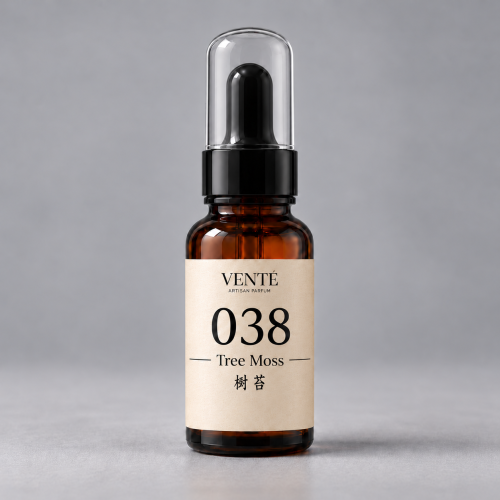 Tree moss (Oakmoss), botanically known as Evernia prunastri, is a lichen that grows primarily on oak trees and rocks in European forests. Since the 16th century, it has been used in herbal preparations and preservation blends. With the rise of the French perfume industry in Grasse during the late 19th and early 20th centuries, oakmoss became a foundational material in the structure of chypre fragrances. The launch of Coty Chypre in 1917 established the classic combination of bergamot, labdanum, and oakmoss, defining an entire fragrance family. Its scent evokes damp woods, tree bark, and forest floor after rain, lending depth and sophistication. Although modern regulations limit its usage, oakmoss remains an irreplaceable backbone of traditional perfumery.
-
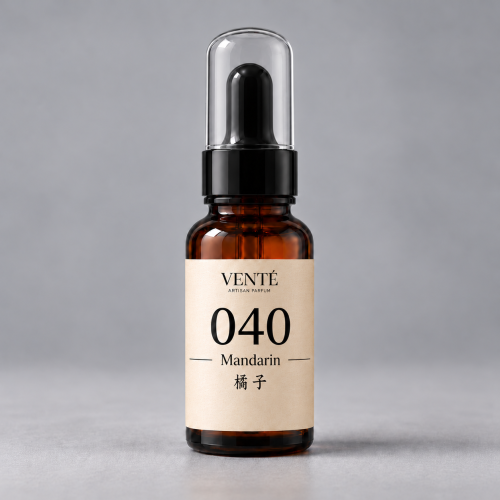 Mandarin orange belongs to the genus Citrus reticulata and originated in southern China, where cultivation dates back over two millennia. Ancient agricultural texts documented its planting and classification, and during the Han dynasty it was already considered a tribute fruit. Because the word for mandarin shares a similar pronunciation with “good fortune” in Chinese, it became a traditional symbol of prosperity. During the Tang and Song dynasties, citrus fruits spread through maritime trade routes to the Arab world and Mediterranean regions, influencing European cultivation. By the 17th century, mandarins and sweet oranges were widely planted in Spain and Italy, later becoming essential top notes in modern perfumery. Its scent is bright, juicy, and slightly bitter from the peel, making it one of the most approachable citrus materials in fragrance design.
-
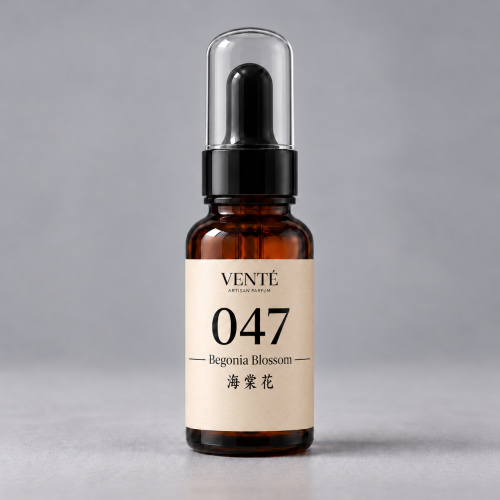 Begonia Blossom has long symbolized gentleness and poetic longing in Eastern culture, frequently appearing in classical Chinese poetry and imperial paintings, often referred to as the “noble beauty among flowers.” Legend says begonia was formed from a drop of heavenly dew left behind by a celestial flower deity, giving it a refined and restrained character. In ancient China, begonia trees were planted in inner courtyards, representing elegance, prosperity, and unspoken affection. Scholars of the Ming and Qing dynasties admired its quiet grace, believing it possessed deeper charm than more flamboyant blooms. In modern perfumery, begonia is interpreted as a soft floral note with subtle fruity sweetness, reminiscent of petals opening under gentle spring light. From classical gardens to contemporary fragrance design, Begonia Blossom carries tenderness, nostalgia, and understated elegance.
-
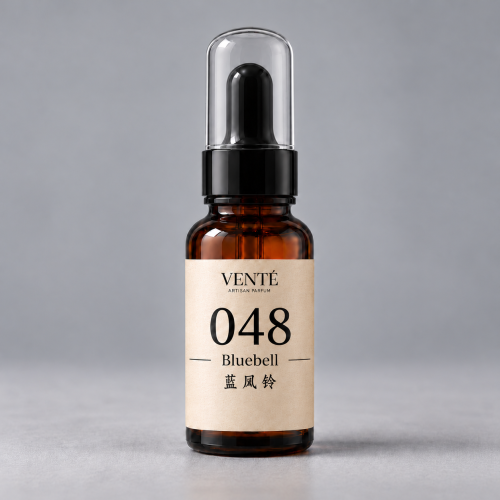 Bluebell, known in European folklore as the “fairy bell of the forest,” bears the botanical name Hyacinthoides non-scripta. Ancient Celtic legends believed bluebell woods were sacred realms where fairies dwelled, and when the flowers swayed in the morning breeze, faint chimes could be heard calling those with pure hearts into hidden worlds. In medieval England, it was said that lovers who walked together through a bluebell field would receive blessings, while those who carelessly picked the blooms might disturb the forest spirits. Bluebell thus symbolizes innocence, romance, and the protective spirit of nature. In modern perfumery, its dewy freshness and delicate floral tone are interpreted as transparent and airy, like petals touched by morning mist. From enchanted woodland to contemporary fragrance, Bluebell carries purity, freedom, and the awakening hope of spring.
-
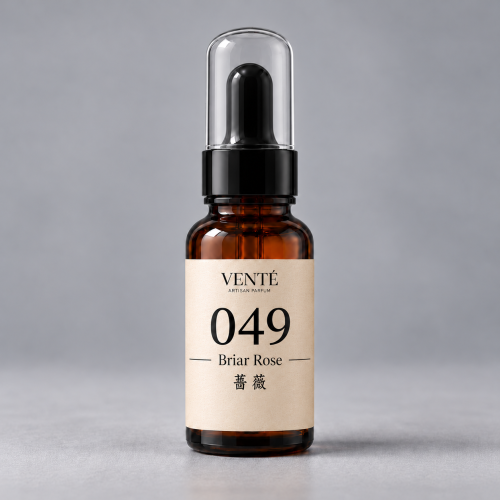 Rose has long been known as the “queen of flowers.” In Greek mythology, the tears of the goddess of love, Aphrodite, mingled with the blood of her beloved Adonis, creating the first red rose, symbolizing love and sacrifice. In ancient Rome, rose petals were scattered across banquets and weddings to represent celebration and prosperity, while Persian poets paired the rose with the nightingale as a metaphor for passionate yet unspoken love. During the Middle Ages, roses were regarded as sacred flowers in monasteries, representing purity and spiritual devotion. As perfumery evolved, rose became one of the most essential floral materials in fragrance history, expressing everything from dewy morning freshness to deep, velvety richness. From mythic romance to royal emblem, Rose embodies passion, elegance, and timeless emotion.
-
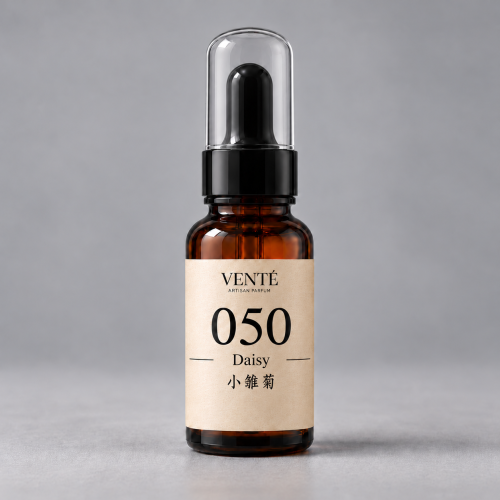 Daisy, botanically known as Bellis perennis, has long been called the “eye of the sun” in European folklore. In Norse mythology, it was associated with Freyja, goddess of love and spring, symbolizing renewal and innocent affection. During the Middle Ages, young maidens would pluck its petals while whispering “loves me, loves me not,” entrusting their hearts to the flower’s answer, making it a timeless emblem of youthful romance. In Victorian floriography, Daisy represented innocence, loyalty, and feelings kept quietly within. In modern perfumery, Daisy is interpreted as a bright and fresh floral note with soft green nuances, reminiscent of white blossoms dancing across a sunlit meadow. From mythic springtime to contemporary fragrance, Daisy carries purity, hope, and effortless joy.


10 Anson Road, International Plaza #03-30
Singapore 079903 (Tanjong Pagar MRT)
Mon – Fri 9.30am – 8.30pm
Sat/Sun/PH 9.30am – 6.30pm
© Copyright VENTÉ Perfume Studio 2026