-
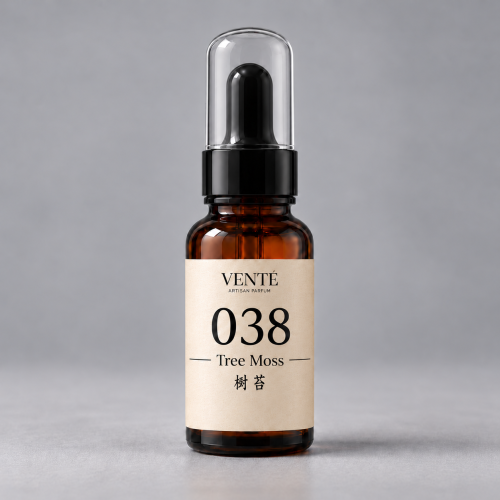 Tree moss (Oakmoss), botanically known as Evernia prunastri, is a lichen that grows primarily on oak trees and rocks in European forests. Since the 16th century, it has been used in herbal preparations and preservation blends. With the rise of the French perfume industry in Grasse during the late 19th and early 20th centuries, oakmoss became a foundational material in the structure of chypre fragrances. The launch of Coty Chypre in 1917 established the classic combination of bergamot, labdanum, and oakmoss, defining an entire fragrance family. Its scent evokes damp woods, tree bark, and forest floor after rain, lending depth and sophistication. Although modern regulations limit its usage, oakmoss remains an irreplaceable backbone of traditional perfumery.
-
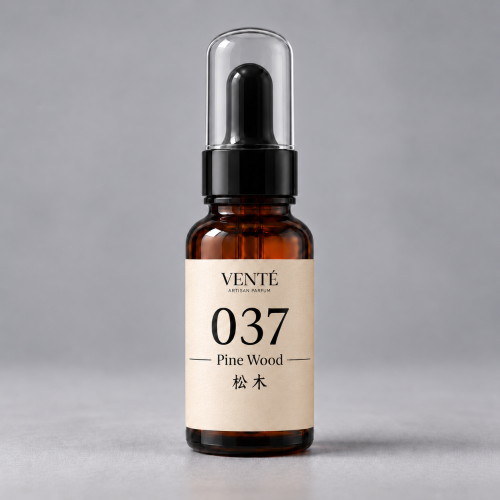 Pine belongs to the genus Pinus and is widely distributed across the temperate forests of Europe and northern Asia. In Norse mythology, pine and fir trees symbolized evergreen life and endurance through harsh winters. In ancient Rome, evergreen pine branches were used during winter solstice celebrations as symbols of eternity and renewal—traditions that later influenced European Christmas tree customs. Pine resin also held practical value: the Greeks and Romans sealed wine amphorae with resin, giving rise to the traditional resin wine known as Retsina. Resin was further used in shipbuilding for waterproofing, playing a significant role during the age of maritime trade. Because pine wood is resilient and cold-resistant, it became essential in architecture and navigation history. Its crisp resinous scent is therefore closely associated with forests, cold air, and vitality, making it a key component in fresh woody fragrances.
-
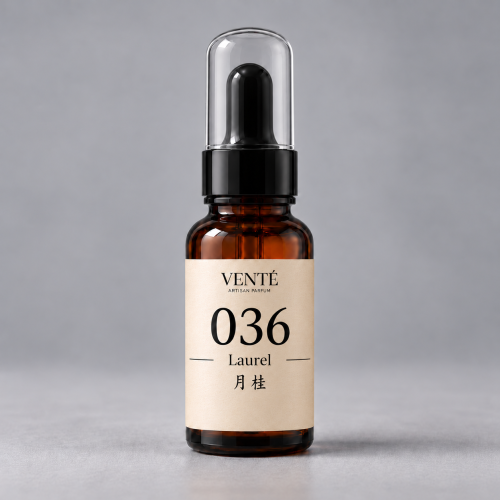 Laurel, botanically known as Laurus nobilis, is native to the Mediterranean region. In Greek mythology, it is tied to the story of Apollo and the nymph Daphne, who transformed into a laurel tree to escape him. Apollo thereafter declared the laurel sacred and fashioned wreaths from its branches. As a result, laurel became a symbol of victory and honor. Priests at Delphi wore laurel leaves, and Roman generals and emperors were crowned with laurel wreaths during triumphal processions. The term “laureate” originates from this tradition and remains associated with distinction in poetry and academia. Beyond symbolism, bay leaves have long been valued in culinary and herbal traditions, blending practical use with enduring cultural meaning.
-
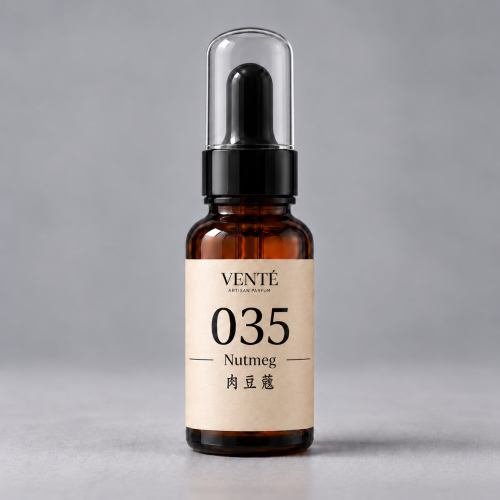 Nutmeg, botanically known as Myristica fragrans, originates from the Maluku Islands of Indonesia, historically called the “Spice Islands.” Between the 15th and 17th centuries, its rarity and reputed medicinal value drove European powers to compete fiercely for control. In 1621, the Dutch East India Company seized the Banda Islands to monopolize nutmeg production, an event that reshaped global trade history. Under the 1667 Treaty of Breda, the Dutch exchanged New Amsterdam—later New York—for control of Banda, solely to secure their nutmeg dominance. This remarkable episode cemented nutmeg’s place as one of the most historically influential spices in the world. Its warm, sweet-spicy aroma later became a cornerstone of oriental and amber fragrance compositions.
-
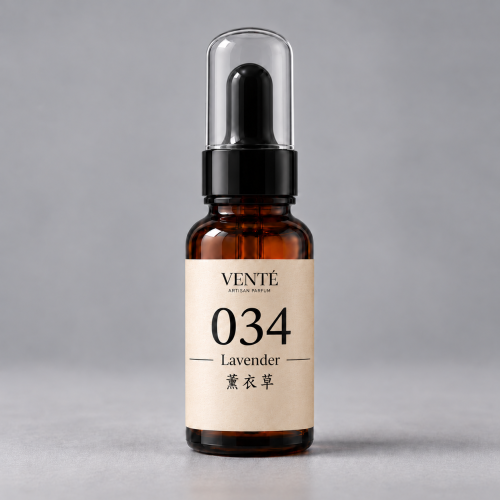 Lavender, botanically known as Lavandula angustifolia, derives its name from the Latin “lavare,” meaning “to wash.” The Romans infused it into bathwater and laundered fabrics with it, linking the plant permanently with cleansing traditions. During the Middle Ages, lavender was cultivated in European monastery gardens for herbal oils and aromatic sachets. During the 14th-century plague outbreaks, folklore claimed that workers handling lavender-infused materials were less affected—though unproven, this story strengthened its reputation as a protective herb. By the 16th century, Provence in southern France became a major cultivation center, its dry climate and high-altitude fields producing highly regarded essential oil. Over time, lavender evolved from medicinal herb to one of the most iconic aromatic plants in European perfumery, remaining a foundational material in modern fragrance composition.
-
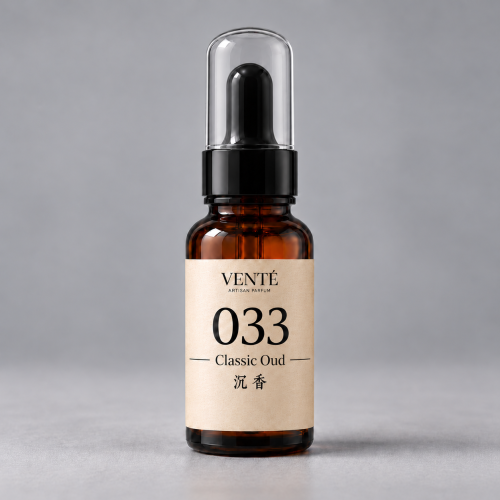 Classic Oud (Agarwood) forms when trees of the Thymelaeaceae family are wounded and gradually produce resin that darkens and saturates the heartwood over decades or even centuries. The Chinese term “chen” (沉) refers to its density—high-resin pieces are heavy enough to sink in water, giving rise to the saying “the sinking ones are most precious.” From the Han dynasty onward, agarwood was transported via maritime trade routes from Champa (central Vietnam), Cambodia, and the Malay Archipelago into China. By the Tang and Song periods, it had become highly prized among imperial courts and scholars. Arab merchants called it “oud,” integrating it into Middle Eastern luxury trade. Ming dynasty texts such as Xiang Cheng and Bencao Gangmu documented its grading methods, emphasizing resin content and sinking quality. Because its formation is unpredictable and time-intensive, agarwood has long symbolized rarity, wealth, and cultivated refinement.
-
 Kyara Agarwood (Kinam) the rarest grade of agarwood, is born from chance and time. When a tree is wounded or infected, it slowly produces resin that saturates the heartwood over decades, sometimes centuries. In Ming and Qing China, kinam was called “soft aloeswood,” with historical accounts describing high-grade pieces as so resin-rich they could be gently indented by hand warmth. Qing court records note kinam being offered as tribute and at times valued equal to gold. Tradition also holds that among the aromatics brought back during Zheng He’s maritime voyages, the finest kinam was reserved for the imperial court. Classical incense texts further classified rare types such as “green” and “purple” kinam, praising their straight-rising smoke and layered aroma. Formed through injury and patience, kinam became a lasting symbol of rarity, wealth, and refined taste.
-
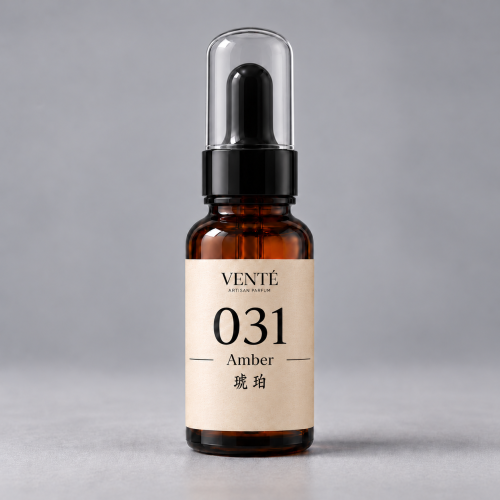
 Amber is not a mineral but fossilized tree resin formed over millions of years from ancient conifer exudations. The English word “amber” derives from the Arabic anbar, originally referring to ambergris, and later applied in medieval trade to the golden resin material. Since Neolithic times, Baltic amber traveled south along the “Amber Road” to the Mediterranean, where it was used for adornment and religious amulets. In Greek mythology, the tears of the Heliades—sisters of Phaethon—were said to have hardened into amber, linking it to mourning and sunlight. During the Middle Ages, it was regarded as a protective and purifying substance, often shaped into rosaries and talismans. In modern perfumery, however, “amber” does not denote the raw fossil itself but a warm accord typically composed of labdanum, benzoin, and vanilla. From prehistoric trade to myth and contemporary fragrance structure, amber has remained associated with warmth, light, and mystery.
-
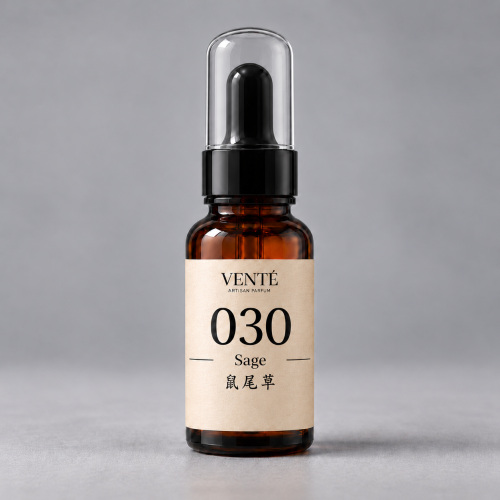
Sage, Salvia officinalis, derives its name from the Latin salvare, meaning “to heal” or “to save,” reflecting its early medicinal status. In ancient Greece and Rome, it was prescribed for digestion, wound care, and vitality, and was documented by Pliny the Elder in Naturalis Historia. During the Middle Ages, monasteries preserved medical knowledge and cultivated sage in herb gardens, where it was listed among essential plants in Charlemagne’s Capitulare de villis. As monastic medicine influenced daily life, sage’s healing reputation entered vernacular belief, echoed in the English proverb, “Why should a man die whilst sage grows in his garden?” Beyond Europe, Indigenous peoples of North America burned white sage (Salvia apiana) for ritual purification. Across cultures and centuries, sage has remained associated with healing and cleansing.
-
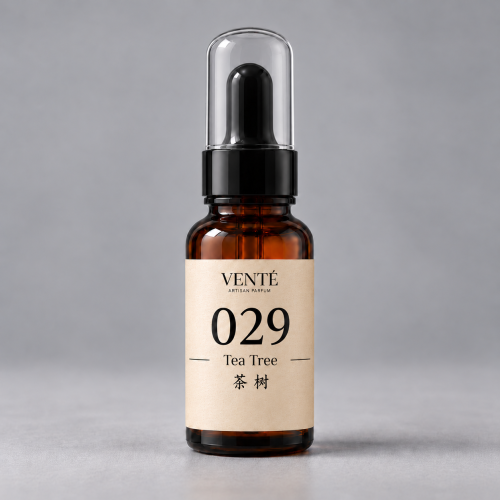 Tea tree, Melaleuca alternifolia, is native to the coastal wetlands of northern New South Wales, Australia. Long before European settlement, the Bundjalung people used crushed tea tree leaves infused in water to cleanse wounds and soothe infections. In the late 18th century, Captain James Cook’s expedition recorded that local inhabitants brewed the leaves as a beverage resembling tea, which led to the name “Tea Tree.” In the early 20th century, Australian chemist Arthur Penfold systematically studied and distilled the essential oil, demonstrating its strong antimicrobial properties. During World War II, tea tree oil was reportedly included in Australian military medical kits. Tea tree therefore bridges Indigenous traditional knowledge and modern medicinal research, standing as one of Australia’s most iconic aromatic plants.
-
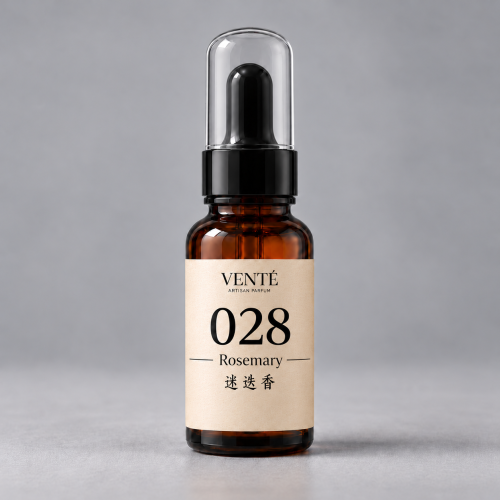 Rosemary, formerly known as Rosmarinus officinalis and now botanically classified as Salvia rosmarinus, derives its name from the Latin “ros marinus,” meaning “dew of the sea,” referencing its growth along Mediterranean coastal cliffs where sea mist settles on its leaves. In ancient Greece, students wore rosemary garlands before examinations, as it was believed to enhance memory. The Romans used it in religious ceremonies and funerary rites, symbolizing remembrance and fidelity. During the Middle Ages, brides wore rosemary at weddings as a sign of loyalty. In the 14th century, the famed “Hungary Water,” attributed to Queen Elizabeth of Hungary and infused with rosemary in alcohol, became one of the earliest known alcohol-based perfumes circulating in European courts. Rosemary thus occupies a significant place in medicinal, ritual, and perfumery history within Mediterranean culture.
-
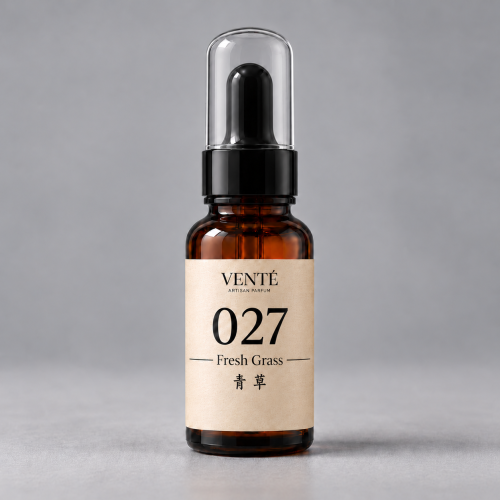 “Fresh grass” does not refer to a single plant but to the collective scent released when young blades of grass are cut. Modern phytochemical research identifies this aroma as a blend of Green Leaf Volatiles (GLVs), such as hexanal and cis-3-hexenol, compounds rapidly emitted when plant tissues are damaged as part of their defense signaling system. Since the dawn of agriculture, the smell of cut grass and drying hay has been associated with seasonal cycles, livestock husbandry, and harvest rituals. Ancient Greek and Roman writings often referenced freshly cut fields as symbols of fertility and renewal. In European rural traditions, the scent of hay became inseparable from summer festivals and barn culture. Fresh grass therefore represents not merely a botanical odor, but a sensory memory rooted in agrarian civilization and the land itself.


10 Anson Road, International Plaza #03-30
Singapore 079903 (Tanjong Pagar MRT)
Mon – Fri 9.30am – 8.30pm
Sat/Sun/PH 9.30am – 6.30pm
© Copyright VENTÉ Perfume Studio 2026