-
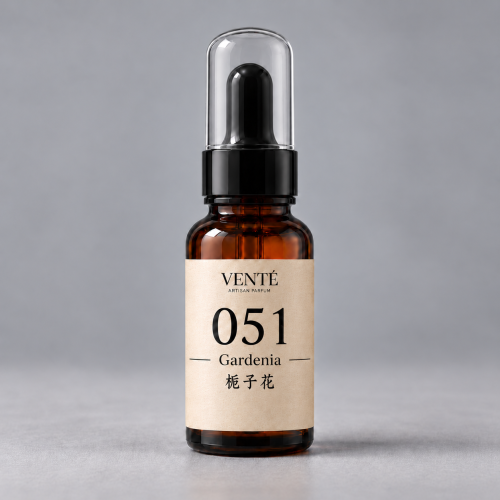 Gardenia, botanically known as Gardenia jasminoides, symbolizes purity and devoted waiting in Eastern culture. A traditional tale tells of a woman who planted a gardenia tree while awaiting her beloved’s return; though the blossoms filled the courtyard with fragrance each year, he never came back, and the flower became a symbol of silent devotion. During the Tang and Song dynasties, gardenia was used in court incense and hair adornments, representing elegance and steadfastness. In Western lore, gardenia signified secret love, often worn discreetly to express hidden affection. In modern perfumery, its creamy white floral scent carries richness and sensual softness, reminiscent of blossoms unfolding in warm night air. From classical courtyards to red-carpet glamour, Gardenia embodies purity, loyalty, and deeply felt emotion.
-
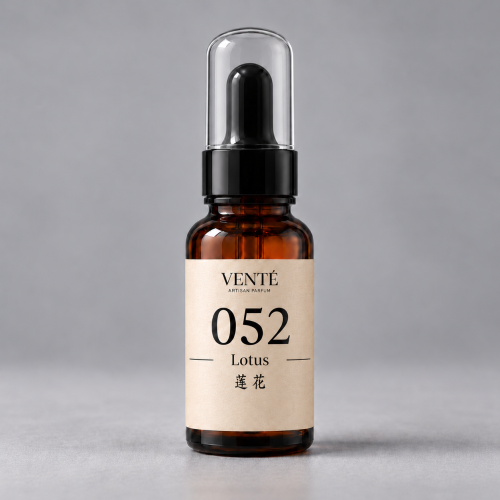 Lotus, botanically known as Nelumbo nucifera, is revered as a sacred flower in Eastern traditions. In ancient Indian mythology, the creator god Brahma is said to have emerged from a lotus growing from the navel of Vishnu, making the flower a symbol of cosmic origin and purity. In Buddhist teachings, the lotus rises unstained from muddy waters, representing enlightenment and transcendence, and the Buddha is often depicted seated upon a lotus throne. In ancient Egypt, the blue lotus was associated with the sun god Ra and symbolized rebirth and light. Across civilizations, lotus became a spiritual emblem of awakening and balance. In modern perfumery, lotus is interpreted as a transparent aquatic floral note, gentle and serene like petals touched by morning breeze over still water. From mythic creation to spiritual clarity, Lotus embodies purity, harmony, and elevated awareness.
-
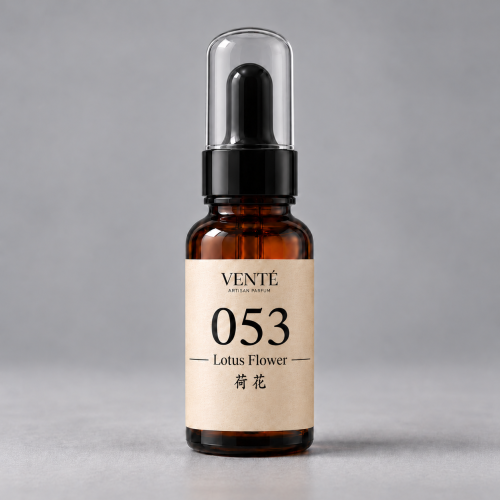 Lotus flower, often associated with aquatic blooms such as Nymphaea alba, carries poetic symbolism across cultures. In Greek mythology, a water nymph who fell in love with Heracles faded into sorrow and transformed into a floating blossom, making the flower a symbol of quiet longing and unspoken affection. In Chinese classical poetry, the lotus-like water lily is praised for its purity and graceful presence, celebrated as a noble bloom rising from clear waters. During summer, its blossoms drift gently among broad leaves, becoming a metaphor for elegance and tranquil character. In modern perfumery, Water Lily is interpreted as a fresh aquatic floral note with luminous softness, lighter and more sunlit than sacred lotus, reminiscent of petals touched by warm breeze over calm waters. From mythic waters to poetic gardens, Water Lily embodies serenity, subtlety, and natural grace.
-
 Narcissus, botanically known as Narcissus poeticus, takes its name from the Greek myth of the beautiful youth Narcissus (Narcissus), who fell in love with his own reflection and ultimately transformed into a flower by the water’s edge. Thus, narcissus symbolizes self-reflection and the dual nature of beauty. The ancient Greeks saw it as both a warning against vanity and a sign of awakening, as it blooms at the end of winter, heralding renewal and hope. In Eastern traditions, narcissus blossoms around the Lunar New Year and represents prosperity, elegance, and new beginnings. In perfumery, its scent is interpreted as green and slightly bitter floral, cool yet subtly sensual, like the clarity of early spring water. From mythic transformation to seasonal rebirth, Narcissus embodies awareness, renewal, and inner radiance.
-
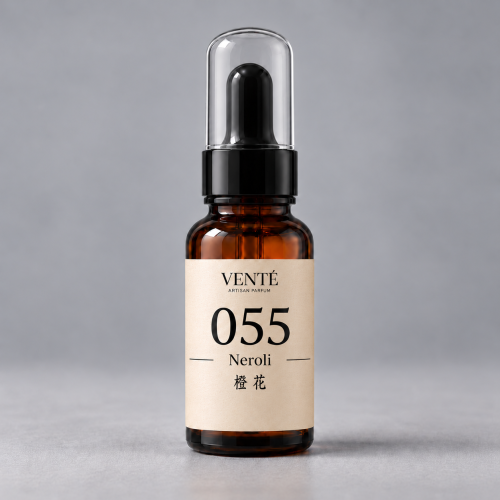 Neroli, botanically known as Citrus aurantium, symbolizes purity and marital blessing in Mediterranean cultures. In Greek mythology, the goddess Hera wore a crown of orange blossoms at her wedding, representing sacred union and fidelity, making the flower a traditional bridal adornment. During the Middle Ages, Arab traders introduced bitter orange trees to Spain and Italy, and the blossom’s fragrance became associated with royal perfumes and noble ceremonies. In Victorian times, brides wove orange blossoms into their wreaths to signify innocence, happiness, and abundance. In modern perfumery, orange blossom is interpreted as bright and luminous with gentle sweetness, blending citrus freshness with floral elegance, like sunlight warming white petals. From mythic weddings to contemporary classics, Orange Blossom embodies joy, purity, and heartfelt blessing.
-
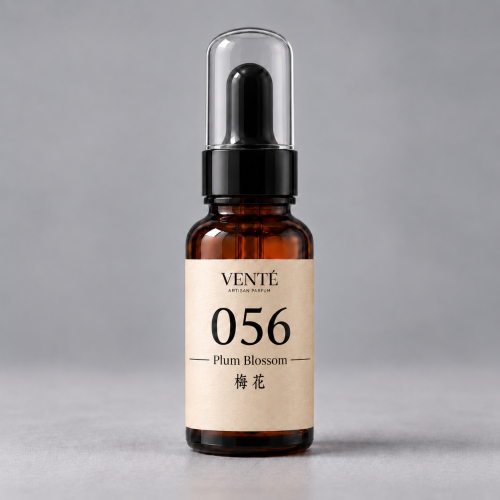 Plum Blossom, botanically known as Prunus mume, symbolizes resilience and purity in Eastern culture. Legend tells that when the god of winter ruled the earth and all flowers withered, only the plum blossom dared to bloom against the snow, becoming the herald of spring. In Chinese tradition, it is one of the “Three Friends of Winter” alongside pine and bamboo, representing endurance and noble character. Folklore describes the plum blossom as a celestial maiden who descended to bloom in the coldest season to protect hope among humanity. Thus, it stands for elegance, inner strength, and renewal. In perfumery, its scent is interpreted as delicate, cool, and softly sweet with a powdery nuance, like a gentle fragrance carried in crisp winter air. From mythic guardian to poetic symbol, Plum Blossom embodies perseverance, purity, and rebirth.
-
 Tuberose, botanically known as Polianthes tuberosa, originated in Mexico and was revered by the ancient Aztecs as the “flower of the night.” Legend tells that the moon goddess scattered starlight upon the earth, transforming it into luminous white blossoms that release their richest fragrance only after sunset, symbolizing sensual power and nocturnal mystery. In the 16th century, Spanish explorers brought tuberose to Europe, where it flourished in royal gardens and aristocratic perfumes. Its intoxicating scent was considered so powerful that folklore warned young women not to wander near blooming tuberose at night, lest its aroma awaken hidden passions. In modern perfumery, tuberose is interpreted as lush, creamy, and opulent with a subtle spicy undertone, embodying both innocence and seduction, like moonlight unfolding in darkness. From lunar myth to courtly legend, Tuberose represents mystery, sensual awakening, and emotional liberation.
-
 Rose d’Alexandrie traces its heritage to the ancient port city of Alexandria and is closely associated with the historic Rosa damascena. Legend tells that Queen Cleopatra (Cleopatra) once carpeted her palace floors with roses to welcome a Roman general, filling the air with intoxicating fragrance as a symbol of love, power, and seduction. As Alexandria stood at the crossroads of civilizations, roses traveled from Persia to the Mediterranean world, becoming emblems of royalty, devotion, and romance. During the Crusades, Damask roses were brought back to Europe, securing their central role in the history of perfumery. Rose d’Alexandrie is rich and opulent, layered with honeyed sweetness and subtle spice, both tender and regal, like golden sunlight illuminating ancient stone walls. From Egyptian courts to modern haute perfumery, it represents love, strength, and timeless allure.
-
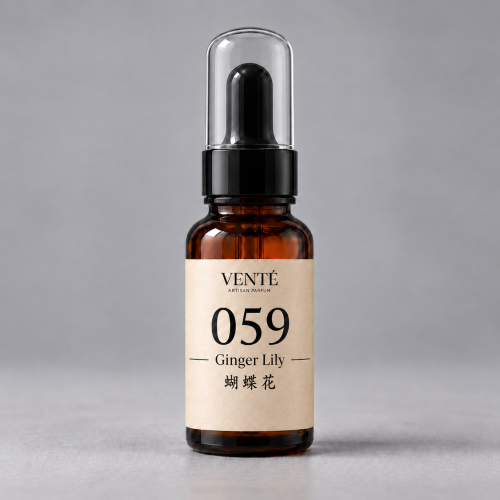 Ginger lily (butterfly iris) commonly refers to varieties such as Iris japonica, whose petals spread like delicate wings. In Eastern symbolism, butterflies represent the soul and transformation; when the iris blossoms resemble fluttering wings, they are seen as spring spirits awakening the world. During the Middle Ages, irises were planted in graveyards to guide souls toward light, and the fleur-de-lis became an emblem of French royalty, representing faith and nobility. The scent of Butterfly Iris is soft, powdery, and lightly green, like mist drifting through a garden at dawn, refined yet mysterious. From rainbow legend to royal insignia, it embodies communication, transformation, and spiritual elevation.
-
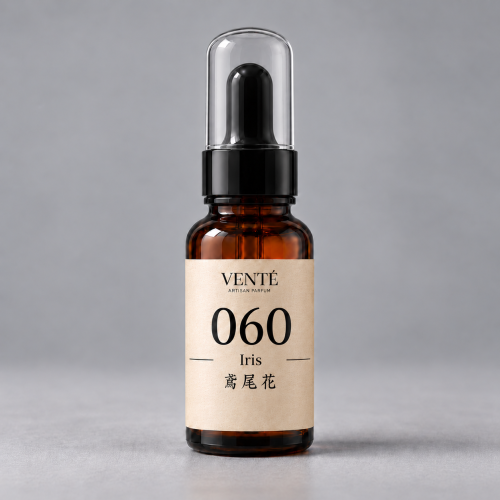 Iris, especially varieties such as Iris germanica and Iris pallida, derives its name from Iris (Iris), the Greek goddess of the rainbow and messenger of the gods. Wherever she descended from Olympus, irises were said to bloom, symbolizing divine communication and sacred connection. The ancient Greeks planted irises on graves, believing they would guide souls to the afterlife. In Egypt and Rome, iris roots were used in sacred rituals and noble cosmetics. During the Middle Ages, the iris evolved into the emblem later associated with the French fleur-de-lis, representing nobility, faith, and honor. Unlike many flowers, the fragrance of iris comes not from its petals but from its aged rhizome, known as orris root, which develops a soft, powdery, buttery, and subtly woody scent after years of maturation. From rainbow myth to royal insignia, Iris embodies spiritual insight, refined elegance, and the beauty shaped by time.
-
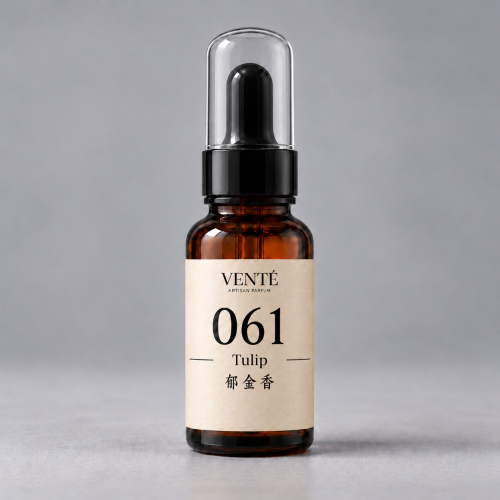 Tulip, botanically known as Tulipa gesneriana, originated in the steppes of Central Asia and traveled westward along ancient trade routes into Persia and the Ottoman Empire. A Persian legend tells of a prince who, grieving the loss of his beloved, shed blood upon the earth from which crimson tulips bloomed, symbolizing passionate and faithful love. In the Ottoman court, tulips became emblems of refinement and prosperity, and the sultans celebrated illuminated “Tulip Nights” in palace gardens, honoring both beauty and the fleeting nature of life. In the 16th century, tulips reached the Netherlands and sparked the historic Tulip Mania, one of the earliest recorded financial bubbles, where bulbs were traded for fortunes, reflecting human desire and ambition. The scent of tulip is soft, watery, and gently green, like petals unfolding in morning dew—elegant yet restrained. From steppe legend to imperial splendor and economic history, Tulip embodies love, longing, and the delicate balance between beauty and desire.
-
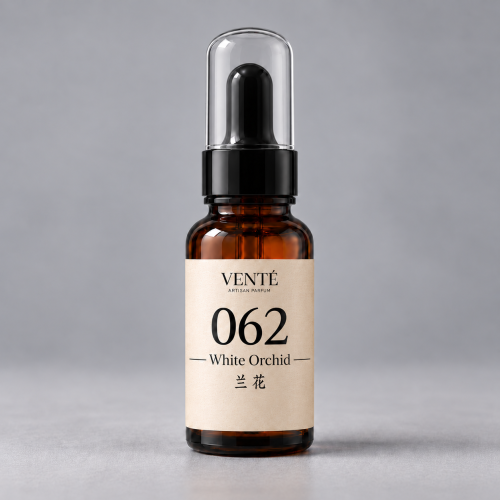 Orchid belongs to the vast and ancient botanical family Orchidaceae, one of the largest plant families in the world. In ancient Greece, orchids were associated with fertility and vitality, and the word “Orchis” reflected themes of life and creation. In Eastern culture, Confucius praised the orchid as the “fragrance of kings,” admiring its ability to bloom quietly in secluded valleys while maintaining noble elegance; in Chinese tradition, it is counted among the “Four Gentlemen,” symbolizing refinement and moral integrity. In Southeast Asia, orchids represent prosperity and blessing, often adorning royal palaces as emblems of wealth and grace. The 19th century saw “orchid fever” sweep through Europe, as explorers journeyed to tropical jungles in search of rare species, turning orchids into symbols of luxury and exotic allure. The scent of orchid is soft, creamy, and delicately powdery, both mysterious and graceful, like silk gently enveloping the senses. From ancient vitality to Eastern virtue and European opulence, Orchid embodies purity, nobility, and inner strength.


10 Anson Road, International Plaza #03-30
Singapore 079903 (Tanjong Pagar MRT)
Mon – Fri 9.30am – 8.30pm
Sat/Sun/PH 9.30am – 6.30pm
© Copyright VENTÉ Perfume Studio 2026