-
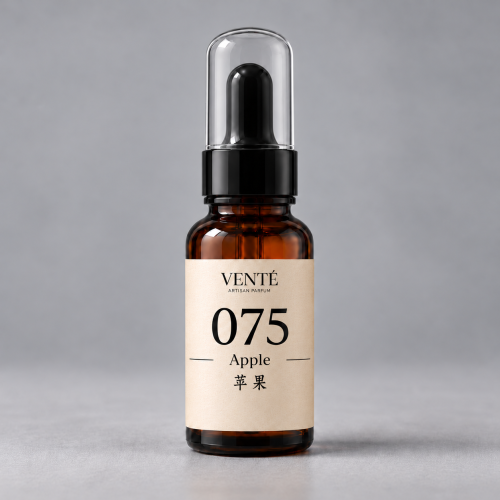 Apple refers botanically to Malus domestica. Throughout human history, it carries layered symbolism. In Greek mythology, the golden apple of discord cast by Eris ignited rivalry among the gods and ultimately led to the Trojan War. In Norse legend, the goddess Idunn guarded apples that preserved youth and vitality. In biblical tradition, the apple is often associated with knowledge and temptation, symbolizing awakening and choice. In Celtic lore, Avalon—the isle of apples—represented healing and eternal paradise. By the medieval period in Europe, apples became emblems of love, harvest, and the natural cycle of life. Its scent is crisp and juicy, blending natural sweetness with bright acidity, reminiscent of autumn sunlight and freshly sliced fruit. Innocent yet tempting, simple yet mythic, Apple embodies vitality, knowledge, abundance, and the power of choice.
-
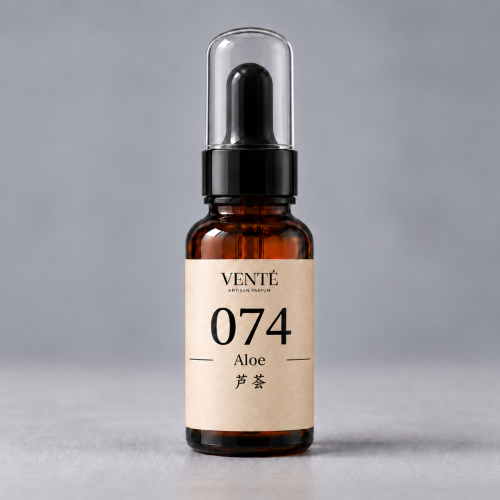 Aloe Vera refers to Aloe vera, native to North Africa and the Arabian Peninsula. The ancient Egyptians called it the “plant of immortality,” and legend holds that Cleopatra used aloe gel to maintain radiant skin. Records of aloe have been found in Egyptian burial sites, symbolizing protection and rebirth. Greek physicians and Roman armies valued it for wound healing, and it was said that Alexander the Great ensured access to aloe for his soldiers during campaigns. Through trade routes, aloe spread eastward and became part of traditional herbal medicine. Its scent is extremely subtle—fresh, watery, and slightly green with a faint herbal bitterness—clean rather than floral. It does not seduce like blossoms; instead, it protects and restores. From desert survivor to royal remedy, Aloe Vera represents healing, renewal, and inner resilience.
-
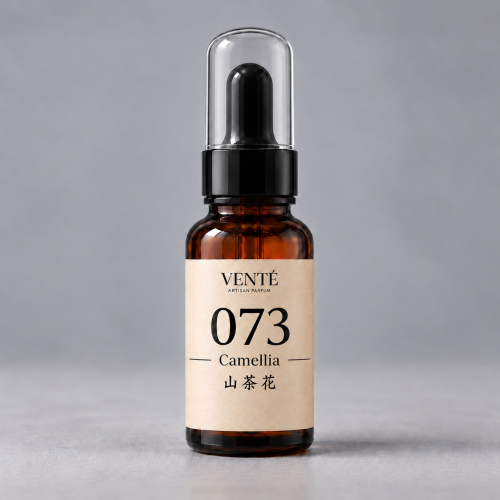 Camellia refers to Camellia japonica. In East Asian culture, it symbolizes resilience and purity; Japanese samurai associated it with honor and decisiveness, while in Chinese tradition it represents modest elegance. In the 19th century, French writer Alexandre Dumas fils published La Dame aux Camélias, using the camellia as a symbol of love and sacrifice. The novel later inspired the opera La Traviata, further elevating the flower as an emblem of romantic tragedy. Camellia’s scent is soft and refined, with subtle floral notes touched by gentle tea-like freshness and green nuance. It does not overwhelm; instead, it conveys quiet strength and restrained elegance. From samurai honor to European romance, Camellia embodies purity, loyalty, and silent resilience.
-
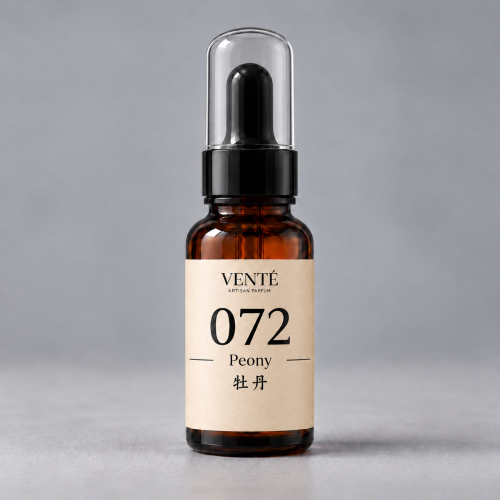 Peony refers botanically to Paeonia lactiflora. In Chinese history, it is known as the “King of Flowers,” symbolizing prosperity and nobility since the Tang dynasty. A famous legend tells that Empress Wu Zetian ordered all flowers to bloom in winter; only the peony refused and was exiled to Luoyang, where it later flourished and became legendary. In Japanese symbolism, peony represents bravery and honor, while in Western floriography it conveys romance and tender affection. Its layered petals resemble silk, and its scent carries a soft sweetness with rosy and fruity nuances, graceful yet expressive. From imperial gardens to poetic legends, Peony embodies abundance, dignity, and inner strength.
-
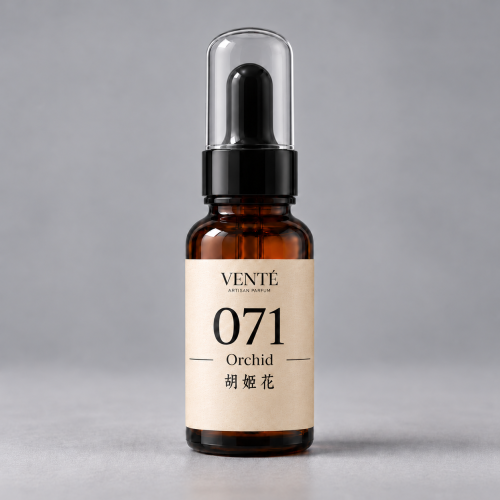 Orchid belongs to the Orchidaceae family, with tropical varieties such as Phalaenopsis amabilis among the most iconic. In Eastern culture, orchids symbolize refinement and noble character; in classical Chinese tradition, they are one of the “Four Gentlemen,” representing humility and elegance. In ancient Greece, orchids were associated with fertility and vitality, and during the Victorian era, they became symbols of luxury and social status due to their rarity. In Singapore, Papilionanthe Miss Joaquim was chosen as the national flower, reflecting resilience and grace. Orchid scents vary by species but often carry a soft floral sweetness with creamy undertones, elegant and layered rather than overpowering. From Eastern virtue to tropical majesty, Orchid embodies dignity, independence, and refined inner strength.
-
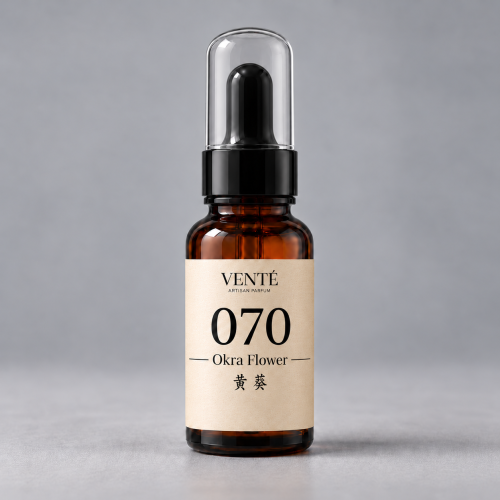 Okra Flower (Ambrette) refers to Abelmoschus moschatus, native to India and tropical Asia. In ancient Indian lore, its seeds were believed to be a fragrant gift from the moon goddess, symbolizing sensuality and gentle strength. Within Ayurvedic tradition, ambrette seeds were used to harmonize body and emotional energies, enhancing vitality and sensitivity. In Middle Eastern and Indian perfumery, they were treasured for their natural musky aroma and often called “plant musk.” Unlike animal musk, ambrette carries a soft fruity sweetness with subtle nutty undertones, warm and intimate like the natural scent of skin. In the 19th century, European perfumers incorporated it into fine fragrances to create smoothness and warmth. From ancient herbal rituals to modern perfumery, Ambrette represents intimacy, softness, and awakened sensual energy.
-
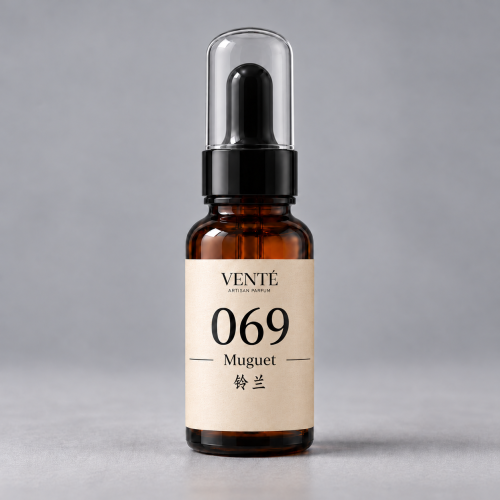 Muguet (Lily of the Valley) refers to Convallaria majalis, native to temperate forests of Europe. In Nordic legend, the tears of a spring goddess fell upon the earth after defeating winter, turning into these delicate white bells, symbolizing renewal and purity. In Christian tradition, it is said that the tears of the Virgin Mary became Lily of the Valley, making it a symbol of humility and grace. In France, it is customary to gift the flower on May 1st as a token of good fortune and new beginnings. Its small white bells release a fresh, airy floral scent with soft green nuances, often described as the true breath of spring. As the natural flower cannot be easily extracted, perfumers recreate its luminous structure through artistry, preserving its timeless image of elegance and innocence. From mythic tears to seasonal blessings, Lily of the Valley embodies hope, purity, and gentle strength.
-
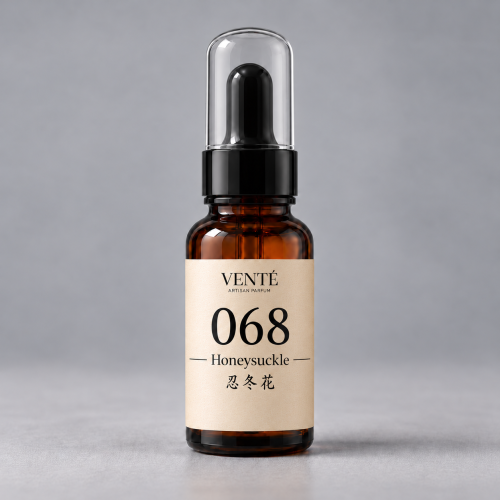 Honeysuckle commonly refers to Lonicera japonica. In traditional Chinese herbal culture, it is valued for its purifying properties, and its name “enduring winter” symbolizes resilience and quiet strength. In Western symbolism, honeysuckle represents devoted love; in certain interpretations of Greek mythology, its twining vines were seen as signs of loyalty and attachment. During the Victorian era, it became a floral emblem of enduring affection. Its scent is sweet and nectar-like, carrying a soft honeyed floral tone with a delicate fruity nuance, warm yet airy like summer blossoms drifting in the evening breeze. From Eastern herbal wisdom to Western romantic symbolism, Honeysuckle embodies protection, devotion, and gentle sweetness.
-
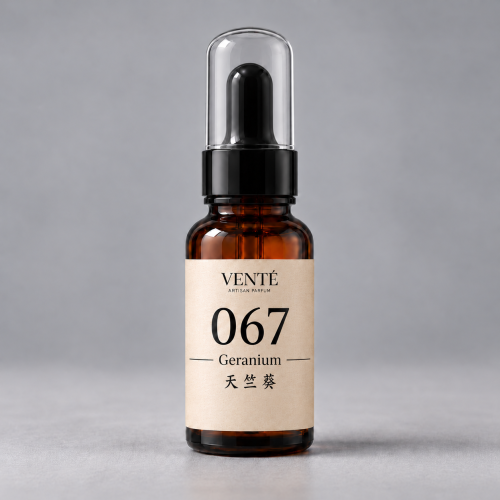 Geranium in perfumery primarily refers to Pelargonium graveolens, native to South Africa. In the 17th century, Dutch traders brought it to Europe during the height of maritime exploration, where exotic plants became prized treasures in royal gardens. In certain African traditions, geranium was believed to guard homes against illness and negative energy. During the Victorian era, it flourished on British windowsills and in orderly gardens, symbolizing comfort, sincerity, and rational affection. Its scent blends rosy florality with fresh green facets and a hint of minty brightness, often described as a clearer, greener counterpart to rose. Though sometimes called the “poor man’s rose,” it plays a vital balancing role in many classic fragrances. From African protective herb to European domestic staple, Geranium represents harmony between reason and emotion.
-
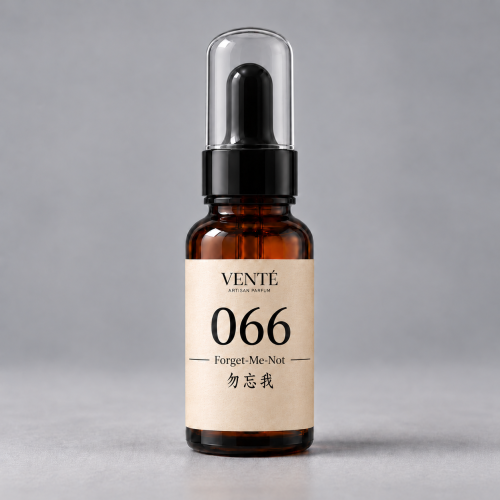 Forget-Me-Not commonly refers to Myosotis sylvatica. A medieval European legend tells of a knight walking by a river with his beloved. Seeing delicate blue flowers by the water, he stepped in to gather them, but the weight of his armor pulled him into the current. Before disappearing beneath the river, he threw the bouquet to the shore and cried, “Forget me not,” asking to be remembered forever. Since then, the flower has symbolized faithful love and enduring memory. In 19th-century Germany and Austria, it became a token of friendship and promise, and in Victorian floriography, it represented sincere and unwavering affection. Its pale blue petals resemble fragments of sky, evoking purity and remembrance. The scent is soft and subtle with a light green nuance, like a gentle breeze across a spring meadow. From riverside vows to floral symbolism, Forget-Me-Not embodies memory, loyalty, and lasting emotion.
-
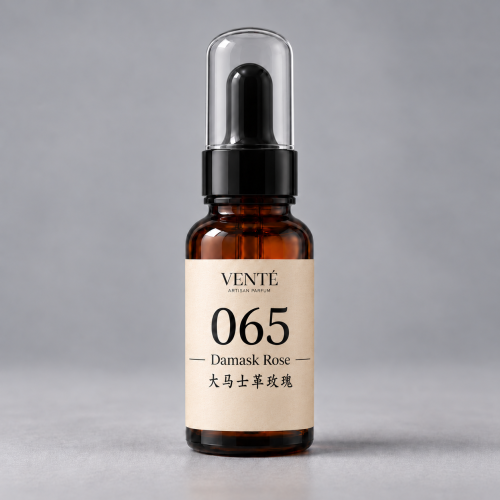 Damask Rose, botanically known as Rosa damascena, is believed to have originated in ancient Persia and traveled along the Silk Road to the city of Damascus, from which it takes its name. Persian poetry often tells of the nightingale singing to the rose, wounded by its thorns, staining the petals red and symbolizing passionate, devoted love. During the Middle Ages, Crusaders carried the rose back to Europe, where rosewater and rose oil became treasured elements in royal courts and sacred rituals. In Islamic tradition, the rose is regarded as a flower of paradise, and the distillation of rosewater at dawn represents purity and blessing. Bulgaria’s famed Rose Valley later became one of the world’s most important production regions, harvesting petals at sunrise to preserve their richest aroma. The scent of Damask Rose is opulent and layered, blending honeyed sweetness with subtle spice, both tender and majestic. From Persian verse to sacred ceremonies and modern haute perfumery, it embodies love, sanctity, and timeless beauty.
-
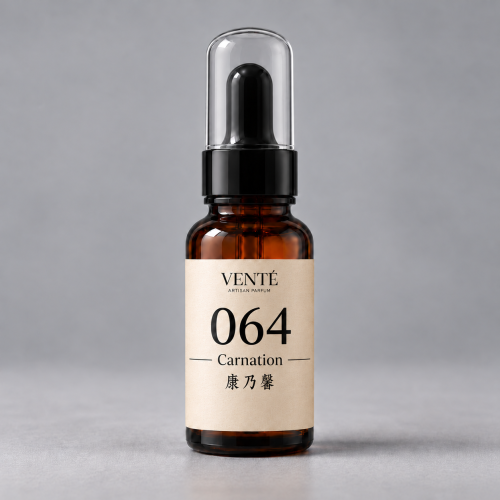 Carnation, botanically known as Dianthus caryophyllus, derives its name from the Greek word meaning “flower of the gods.” In Greek mythology, the goddess Artemis (Artemis) transformed the eyes of a shepherd into blossoms, which were said to become the first carnations, symbolizing love intertwined with sorrow and strength. During the Middle Ages, carnations were regarded as protective flowers, worn by knights as emblems of loyalty and courage. In Renaissance art, they appeared in religious paintings to represent maternal love and devotion. In modern times, carnation became the emblem of Mother’s Day, with different colors expressing remembrance and deep affection. Its scent carries a warm spicy floral character with a soft powdery nuance, delicate yet powerful. From mythic origins to chivalric honor and maternal symbolism, Carnation represents loyalty, protection, and enduring love.


10 Anson Road, International Plaza #03-30
Singapore 079903 (Tanjong Pagar MRT)
Mon – Fri 9.30am – 8.30pm
Sat/Sun/PH 9.30am – 6.30pm
© Copyright VENTÉ Perfume Studio 2026