-
 Agarwood is derived from trees such as Aquilaria malaccensis, which produce a dark aromatic resin when injured. Revered as one of the most precious woods, its history traces back to ancient India and Southeast Asia, recorded in Sanskrit texts and Arabic manuscripts. Through maritime trade routes, agarwood spread to China, Japan, and the Middle East, becoming central to court rituals and sacred ceremonies. In classical Chinese culture, burning agarwood accompanied meditation and literary refinement, its rising smoke symbolizing inward focus. In Islamic tradition, it was used in mosques and noble perfumery. Rich and resinous, agarwood forms the foundation of many oriental fragrance structures. It is not flamboyant but profound—a material shaped by time and patience. From royal courts to modern luxury perfumery, Agarwood represents depth, nobility, and inner steadiness.
-
 Frankincense is derived from the resin of trees such as Boswellia sacra, native to the Arabian Peninsula and the Horn of Africa. For thousands of years, it traveled along ancient incense routes from Oman and Yemen to Egypt, Jerusalem, and the Mediterranean, becoming central to sacred rituals. In ancient Egypt, its rising smoke symbolized a pathway to the divine; in Christian tradition, it was one of the three gifts representing holiness and blessing. The Greeks and Romans also used it for purification and contemplative ceremonies, linking it to spiritual elevation and silence. Its smoke rises lightly yet with gravity, as if guiding awareness upward. In modern perfumery and aromatherapy, frankincense creates depth and meditative calm. Subtle but powerful, it embodies vertical spiritual movement. From ancient temples to contemporary meditation spaces, Frankincense represents purification, elevation, and sacred connection.
-
 Benzoin refers to the aromatic resin derived from the tree Styrax benzoin, native to Southeast Asia, particularly Indonesia and Thailand. Ancient trade routes carried benzoin into the Middle East and the Mediterranean, where it became valued in religious incense and medicinal blends. In Egyptian and Byzantine traditions, its sweet smoke was seen as a bridge between the earthly and the sacred; medieval monasteries in Europe also used it for purification and comfort. Its warm, slightly vanilla-like sweetness made benzoin a stabilizing element in fragrance composition. With the rise of modern perfumery, it became central to oriental and amber accords, adding roundness and depth. Rather than loud, it envelops gently, forming a sense of protection. From sacred ritual smoke to contemporary base notes, Benzoin represents comfort, containment, and inner calm.
-
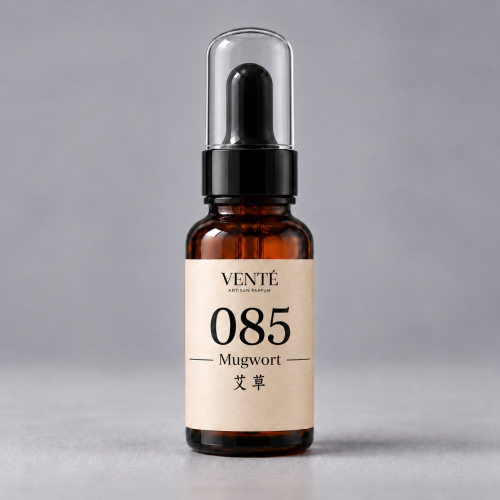 Mugwort commonly refers to Artemisia argyi, native to East Asia and deeply rooted in traditional herbal culture. It was recorded in early Chinese classics as a plant used for protection and physical restoration. During the Dragon Boat Festival, mugwort is hung at doorways to ward off negativity, symbolizing guardianship and stability; in moxibustion practice, the warmth produced by burning mugwort is believed to activate vital energy and restore balance. Its Latin name Artemisia is linked to the Greek goddess Artemis, connecting it in Western herbal lore to feminine protection and natural strength. Through centuries of exchange, mugwort became part of both Eastern and European folk traditions as a symbol of purification and transformation. In modern aromatherapy, it represents cleansing and grounding energy. Rather than ornate, it carries a deep herbal presence that safeguards boundaries. From ancient rituals to contemporary energetic renewal, Mugwort symbolizes protection, clearing, and inner steadiness.
-
 Basil refers to Ocimum basilicum, native to India and tropical Asia, long regarded as a sacred herb. In Indian tradition, Tulsi basil is dedicated to the deity Vishnu and symbolizes purity and protection, often planted at the center of households as a guardian plant. Through trade, basil spread to the Mediterranean, becoming essential in Greek and Roman cuisine and herbal practice. In medieval Europe, it was cultivated in monastery gardens as a protective and cleansing herb. Its scent carries fresh green brightness with subtle warmth. In modern perfumery and aromatherapy, basil represents mental clarity and renewal. From sacred ritual to contemporary fragrance, Basil symbolizes protection, clarity, and decisive action.
-
 Bellflower commonly refers to the genus Campanula, native to Europe and temperate Asia, named for its small bell-shaped blossoms. Medieval European folklore believed that when bellflowers swayed in the night breeze, they carried the whispers of fairies, symbolizing a link between nature and the unseen world. In Celtic legends, bluebell-filled woodlands were considered fairy grounds, where people spoke softly in respect of nature’s hidden order. During the Renaissance, as botanical illustration and garden culture flourished, bellflowers became a symbol of quiet elegance, forming serene floral carpets without ostentation. In modern perfumery, bluebell accords represent lightness, clarity, and airy transparency. Neither as opulent as rose nor as intense as tuberose, it conveys a gentle resonance carried by wind. From enchanted forests to contemporary longing for calm, Bellflower symbolizes purity of heart, soft communication, and inner clarity.
-
 Ocean is not a single botanical material but a symbol of the planet’s most ancient and profound force. Since the dawn of civilization, the sea has been regarded as the origin of life and the boundary of the unknown. In Greek mythology, the sea god Poseidon governed tides and storms, representing power and untamed order; in Norse legends, the ocean connected realms and marked the beginning of exploration. The Phoenicians and later Mediterranean sailors relied on the sea to build trade routes and cultural exchange, turning it into a bridge of civilization. During the Age of Discovery, oceans became symbols of exploration and freedom. In modern perfumery, marine notes express freshness and open air rather than floral sweetness. From mythic authority to contemporary longing for freedom, Ocean represents depth, expansion, and self-discovery.
-
 Strawberry belongs to Fragaria × ananassa, originally cultivated in Europe and the Americas through hybridization of wild species. In medieval Europe, strawberries symbolized purity and humility, often appearing in religious paintings and monastery gardens as signs of spiritual simplicity and natural grace. The ancient Romans valued wild strawberries for celebrations and traditional remedies, associating them with restoration and vitality. After the Age of Exploration, American varieties were introduced to Europe, increasing in size and sweetness, and gradually becoming a symbol of seasonal joy. Its aroma carries bright fruity sweetness with a gentle tart freshness, like sun-ripened fruit releasing its scent. Youthful yet soft, it expresses delight without excess. From monastery gardens to modern gourmand perfumery, Strawberry represents innocence, pleasure, and lighthearted emotional expression.
-
 White Tea is derived from the tender buds and young leaves of Camellia sinensis, primarily cultivated in Fujian, China. It is among the least processed tea types, preserving the leaf in its natural state. Dating back to the Tang and Song dynasties, its simple sun-withering method reflected harmony with nature. Song scholars, who valued restraint and subtle aesthetics, regarded white tea as a drink of refinement and inner cultivation. With maritime trade expansion, it traveled to Southeast Asia and Europe, becoming an important export during the Qing dynasty and symbolizing Eastern elegance. Unlike bold black tea or the sharper tone of green tea, white tea carries a translucent softness, like morning mist over mountains. In modern perfumery and aromatherapy, it represents purity and balance, creating a clean and gentle atmosphere. From ancient literary gatherings to contemporary minimalist living, White Tea represents purity, equilibrium, and quiet inner strength.
-
 Peppermint refers to Mentha × piperita, native to Europe and the Mediterranean, long associated with clarity and protection. In Greek mythology, the water nymph Minthe was transformed into a herb after provoking Hades, and the mint rising from the earth became a symbol of renewal after suppression. The Greeks and Romans scattered mint leaves in banquets and homes to refresh the mind and purify the air, linking it with reason and order. During the Middle Ages, monastery herb gardens cultivated mint to ease fatigue and dispel heaviness, and travelers carried it as a companion of alertness. As trade and medical knowledge expanded, mint entered Eastern herbal traditions, continuing its role in clearing heat and balance. Modern aromatherapy and perfumery maintain this symbolism, positioning mint as a note of awakening and focus. It is not a soft floral presence but a clear, direct force; from mythic rebirth to modern mental clarity, Peppermint represents sharpened awareness, expressive confidence, and steady forward movement.
-
 Lemongrass refers to Cymbopogon citratus, native to the tropical plains of India and Southeast Asia, and has long been associated with purification and ritual fire. In ancient Ayurvedic tradition, it was regarded as a botanical light capable of dispelling internal heat and stagnant energies; during Brahmanical dawn ceremonies, lemongrass was burned so that its rising smoke symbolized clarity of mind and the restoration of order. As maritime trade expanded across the Indian Ocean, this cleansing herb traveled into Southeast Asia, where in Thai and Malay folk customs it was hung at doorways or burned before homes as a protective presence. It did not belong to royal gardens, but to everyday life and domestic guardianship. During the colonial era, it was introduced to Europe and gradually entered perfumery and aromatherapy, becoming a symbol of alertness and forward momentum. Its essence has remained constant—not lavish bloom, but the quiet act of clearing the air when confusion gathers. From ancient ritual fires to modern spaces seeking renewal, Lemongrass represents purification, awakening, and the courage to begin again.
-
 Fig refers to Ficus carica, native to the Mediterranean and Western Asia, and one of the earliest cultivated fruit trees in human history. In ancient Egypt, figs were used in offerings and symbolized fertility and life. In Greece, they represented harvest and wisdom; Plato was even nicknamed a lover of figs. In biblical tradition, the fig tree symbolizes awakening and self-awareness, as its leaves were used to cover the body. In Buddhist symbolism, the Bodhi tree—belonging to the same genus—became a symbol of enlightenment. The scent of fig is layered and distinctive, blending green leafy freshness, creamy fruit sweetness, and soft woody undertones. It evokes not only the fruit but the entire tree—sun-warmed leaves, milky sap, and ripened flesh. From sacred offerings to philosophical meaning, Fig embodies abundance, awareness, and natural authenticity.


10 Anson Road, International Plaza #03-30
Singapore 079903 (Tanjong Pagar MRT)
Mon – Fri 9.30am – 8.30pm
Sat/Sun/PH 9.30am – 6.30pm
© Copyright VENTÉ Perfume Studio 2026