-
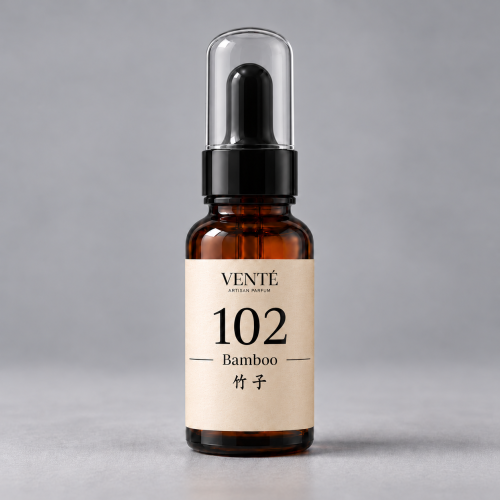 Bamboo belongs to the botanical subfamily Bambusoideae and is widely distributed across East and Southeast Asia. In Chinese tradition, bamboo is one of the “Four Gentlemen,” symbolizing humility, resilience, and integrity. Its hollow stem represents openness and inner reflection, while its upright growth embodies moral strength in Confucian philosophy. In Daoist thought, bamboo expresses flexibility within strength, bending without breaking. In Japan, bamboo groves are associated with purification and spiritual protection, often planted near shrines. Fast-growing yet structurally stable, bamboo symbolizes adaptability and disciplined vitality. It conveys clarity, restraint, and inner order rather than dominance. From classical poetry to modern minimalist perfumery, bamboo represents purity, elasticity, and quiet spiritual poise.
-
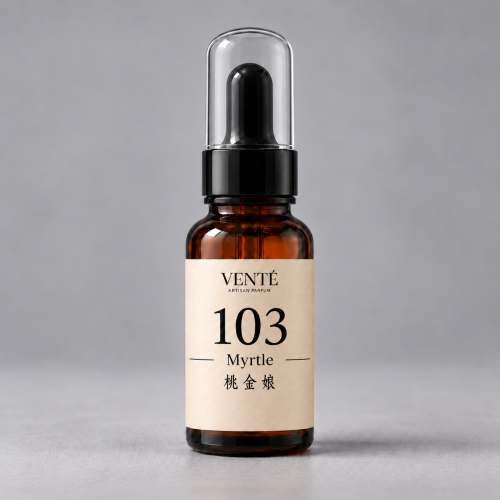 Myrtle, botanically known as Myrtus communis, is native to the Mediterranean region and has long been associated with love and sacred feminine energy. In Greek mythology, it was dedicated to Aphrodite, who was said to have covered herself with myrtle leaves after emerging from the sea, making the plant a symbol of romance, purity, and marital blessing. The Romans linked it to Venus, and brides wore myrtle wreaths as tokens of fidelity and happiness. In Jewish and Mediterranean traditions, myrtle also symbolizes peace and renewal, used in ceremonies and festivals. It represents both the awakening of passion and the gentleness of commitment. From ancient garlands to modern green floral accords, myrtle embodies emotional openness, purity, and enduring connection.
-
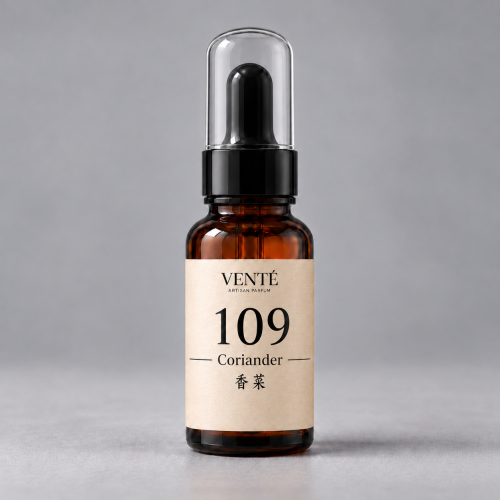 Coriander, botanically known as Coriandrum sativum, is one of the oldest cultivated spice plants, native to the Mediterranean and Western Asia. Archaeological findings show coriander seeds in ancient Egyptian tombs, symbolizing continuity and protection. In biblical references, manna was described as resembling coriander seed, associating it with divine nourishment. The Greeks and Romans valued it for culinary and medicinal purposes, believing it stimulated vitality and digestion. Through Silk Road and maritime trade, coriander spread globally, becoming a key ingredient in diverse cuisines. Its leaves and seeds differ greatly in aroma, symbolizing duality and integration. In perfumery, coriander acts as a bright bridge between freshness and warmth. From sacred rituals to modern aromatic structures, it represents clarity, vitality, and cultural convergence.
-
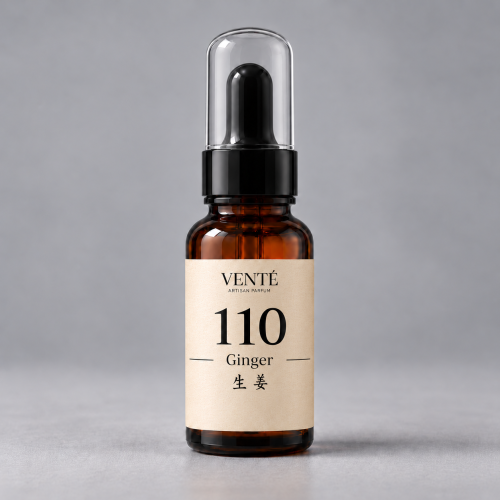 Ginger, botanically known as Zingiber officinale, is native to Southeast Asia and has been valued for thousands of years as both spice and medicine. In ancient Chinese and Indian traditions, it symbolized warmth and internal vitality, while in Ayurveda it represented digestive fire and life force. Through maritime trade routes, ginger spread to the Middle East and Europe, becoming a prized spice in Roman times and later medieval trade, symbolizing warmth and energy. During the Age of Exploration, it became a key connector between East and West, representing movement and expansion. In perfumery, ginger often opens compositions with bright heat and momentum, evoking awakening and action. From ancient healing texts to modern energetic fragrances, ginger signifies warmth, courage, and forward motion.
-
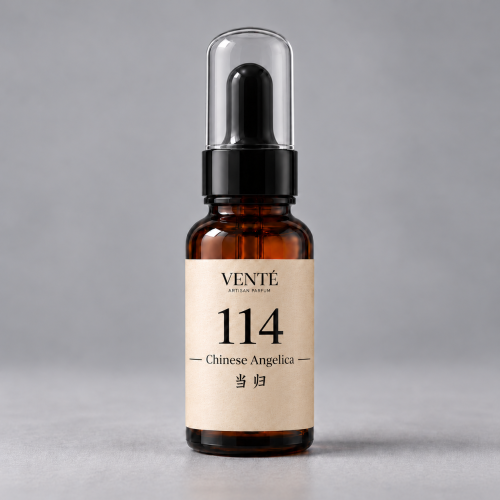 Chinese Angelica (Dong Quai), botanically known as Angelica sinensis, is native to the high-altitude regions of northwestern China and is one of the most important herbs in traditional Chinese medicine. Its name implies “returning to balance,” symbolizing restoration and nourishment. Historically traded along the Silk Road, it represented Eastern herbal wisdom. In Western herbal tradition, the name Angelica derives from “angel,” reflecting protective and healing symbolism associated with related species in medieval Europe. Deeply rooted in cold mountain soil yet life-sustaining in function, dong quai embodies resilience and renewal. From ancient medical texts to modern botanical fragrance concepts, it signifies nourishment, protection, and inner restoration.
-
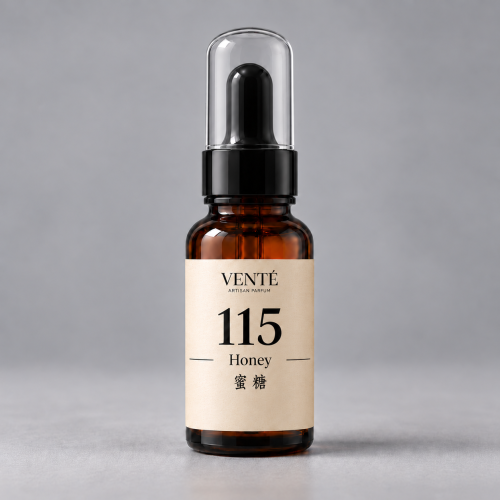 Honey is produced by bees such as Apis mellifera and has accompanied human civilization since ancient times. In Ancient Egypt, honey was regarded as a sacred gift from the sun god and was offered in temples and royal tombs. In Greek mythology, the gods consumed divine nectar symbolizing immortality, linking honey with sacred sweetness and eternal life. Bee priestesses were believed to carry divine messages, representing purity and revelation. During medieval Europe, honey symbolized abundance and blessing, often present in weddings and celebrations. The structured harmony of bee colonies became a symbol of order and cooperation, while honey itself represented nourishment and gentle warmth. In modern perfumery, honey accords create warmth and sensual depth. From sacred offerings to contemporary sweet oriental fragrances, honey embodies abundance, comfort, and emotional richness.
-
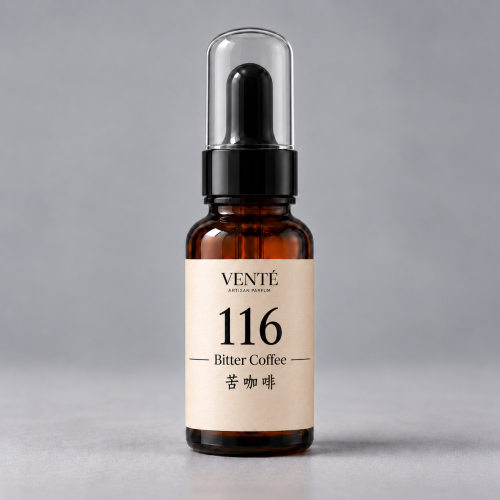 Bitter Coffee originates from the fruit of the coffee tree, most notably Coffea arabica, native to the Ethiopian highlands. Legend tells of a shepherd named Kaldi who discovered the energizing effect of the red berries, marking the beginning of coffee’s journey through civilization. From the Arabian Peninsula to the Ottoman Empire and Europe, coffeehouses in the 17th century became centers of philosophical debate and intellectual awakening. In Islamic culture, coffee symbolized clarity and devotion; during the European Enlightenment, it represented rational thought and social exchange. The bitterness of coffee signifies maturity and depth, not mere taste. In modern perfumery, coffee accords evoke warmth, intensity, and nocturnal sophistication. From African highlands to global café culture, bitter coffee embodies awakening, intellect, and confident strength.
-
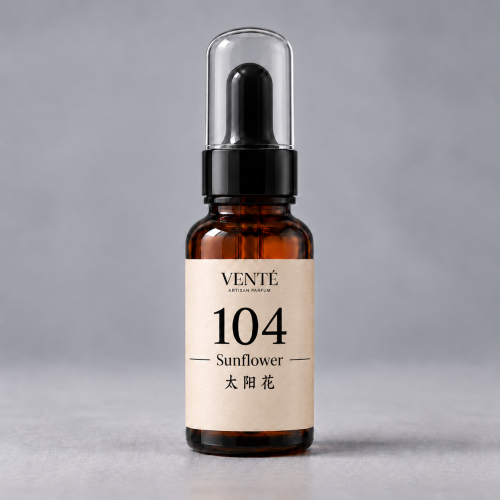 Sunflower, botanically known as Helianthus annuus, is native to the Americas and held sacred status among ancient Indigenous civilizations. The Aztecs and Incas regarded it as an embodiment of the sun deity, and priests wore golden sunflower ornaments as symbols of life and cosmic order. Its natural heliotropic movement—turning toward the sun—made it a symbol of loyalty, faith, and devotion to light. In Greek mythology, the nymph Clytie, heartbroken in love with Helios, gazed endlessly at the sun and was transformed into a sunflower, representing unwavering devotion. In Europe, sunflower later became a sign of harvest, abundance, and optimism. From ancient solar worship to modern symbolism of positivity, sunflower embodies warmth, confidence, and forward-moving vitality.
-
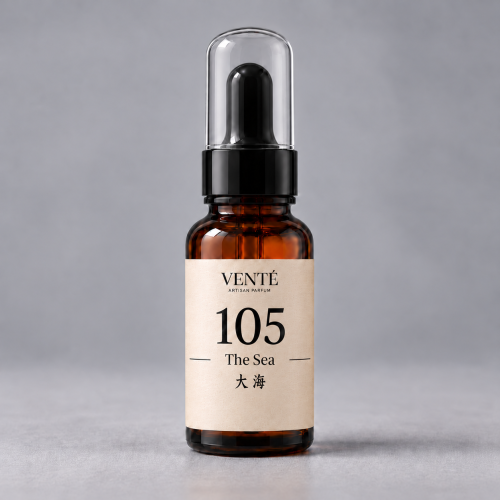 The Ocean is not a botanical material but an olfactory concept inspired by marine air, minerals, and open water. In Greek mythology, the sea was ruled by Poseidon, symbolizing power, unpredictability, and the depths of the subconscious; in Roman tradition, he was known as Neptune. Throughout history, the ocean represented both danger and discovery, serving as the pathway for Phoenician and Viking exploration. In Eastern philosophy, vast waters symbolize boundlessness and acceptance. Modern marine fragrances emerged through 20th-century synthetic molecules that shaped the iconic aquatic style, redefining freshness in perfumery. The ocean represents flow, release, and renewal—depth and freedom at once. From mythic sea gods to contemporary aquatic scents, it embodies purification, liberation, and infinite expansion.
-
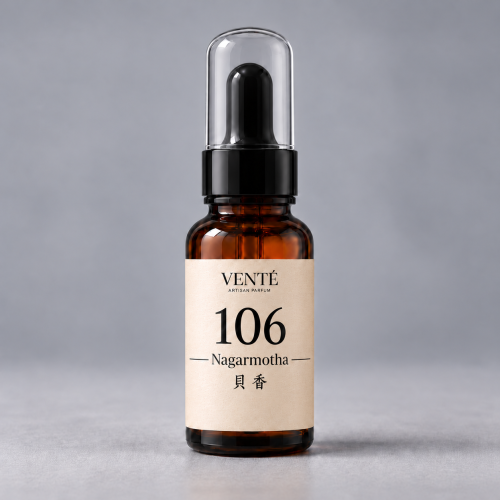 Shell Accord, often associated historically with ambergris, traces back to materials linked to Physeter macrocephalus. Ambergris, formed from whale secretion and aged in the ocean, was once one of the most treasured marine materials in Arabian and Mediterranean trade, used in royal and sacred perfumery. In mythology, the sea shell symbolizes birth and protection; in Greek legend, Aphrodite emerged from the sea upon a shell, making it an emblem of life and feminine energy. The layered structure of shells and the formation of pearls reflect transformation, time, and protective enclosure. Modern perfumery recreates shell or marine amber nuances through synthetic molecules, expressing warmth and mineral softness without relying on animal sources. Shell accord represents oceanic protection, emotional depth, and nurturing energy—from ancient maritime trade to contemporary amber-marine fragrances.
-
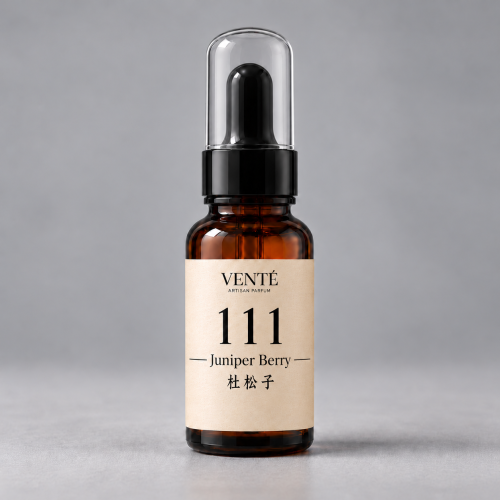 Juniper berry is derived from Juniperus communis, widely distributed across Europe, Western Asia, and North America. It has long been regarded as a purifying plant. Ancient Egyptians used juniper in rituals and preservation practices, associating it with protection and cleansing. In Greek and Roman traditions, juniper branches were burned to purify the air, symbolizing clarity and defense. During medieval plague outbreaks in Europe, juniper smoke was believed to ward off illness, reinforcing its image as a guardian plant. Later, juniper became the defining ingredient of gin, linking it to urban refinement and crisp rationality. Its evergreen nature symbolizes resilience and endurance. In perfumery, juniper berry introduces a cool aromatic brightness, bridging forest woods and fresh air sensations. From sacred purification rites to modern metropolitan fragrances, juniper represents clarity, protection, and structured composure.
-
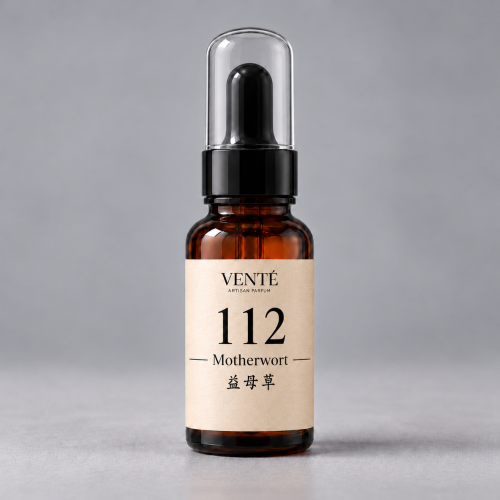 Motherwort, botanically known as Leonurus japonicus, is native to East Asia and holds a significant place in traditional Chinese herbal medicine. Its name literally means “beneficial to mothers,” symbolizing protection and feminine resilience. Recorded in classical materia medica texts, it has long been associated with balance and inner regulation. In European herbal traditions, motherwort was also valued for calming emotional unrest, representing quiet strength and adaptability. Its upright stems and serrated leaves symbolize protection and steady support. From ancient herbal compendiums to modern botanical fragrance inspirations, motherwort embodies healing, balance, and enduring inner stability.


10 Anson Road, International Plaza #03-30
Singapore 079903 (Tanjong Pagar MRT)
Mon – Fri 9.30am – 8.30pm
Sat/Sun/PH 9.30am – 6.30pm
© Copyright VENTÉ Perfume Studio 2026