-
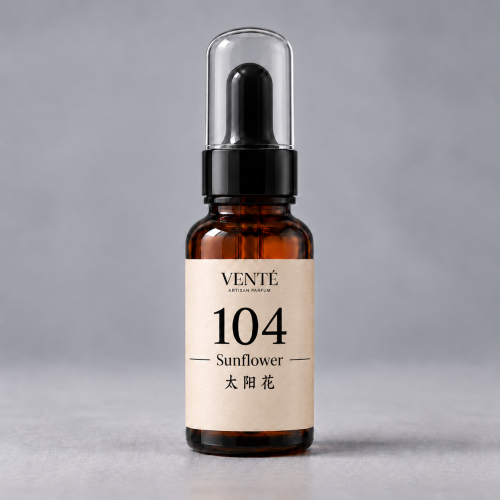 Sunflower, botanically known as Helianthus annuus, is native to the Americas and held sacred status among ancient Indigenous civilizations. The Aztecs and Incas regarded it as an embodiment of the sun deity, and priests wore golden sunflower ornaments as symbols of life and cosmic order. Its natural heliotropic movement—turning toward the sun—made it a symbol of loyalty, faith, and devotion to light. In Greek mythology, the nymph Clytie, heartbroken in love with Helios, gazed endlessly at the sun and was transformed into a sunflower, representing unwavering devotion. In Europe, sunflower later became a sign of harvest, abundance, and optimism. From ancient solar worship to modern symbolism of positivity, sunflower embodies warmth, confidence, and forward-moving vitality.
-
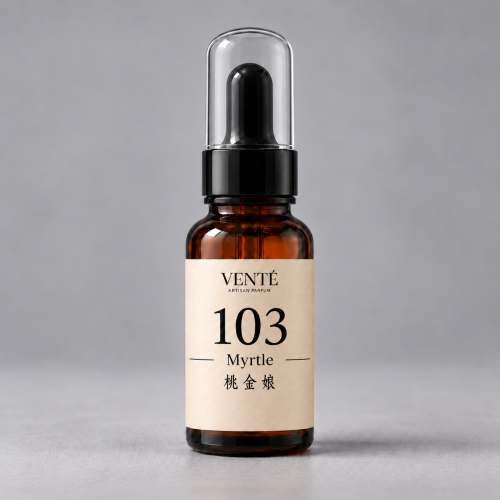 Myrtle, botanically known as Myrtus communis, is native to the Mediterranean region and has long been associated with love and sacred feminine energy. In Greek mythology, it was dedicated to Aphrodite, who was said to have covered herself with myrtle leaves after emerging from the sea, making the plant a symbol of romance, purity, and marital blessing. The Romans linked it to Venus, and brides wore myrtle wreaths as tokens of fidelity and happiness. In Jewish and Mediterranean traditions, myrtle also symbolizes peace and renewal, used in ceremonies and festivals. It represents both the awakening of passion and the gentleness of commitment. From ancient garlands to modern green floral accords, myrtle embodies emotional openness, purity, and enduring connection.
-
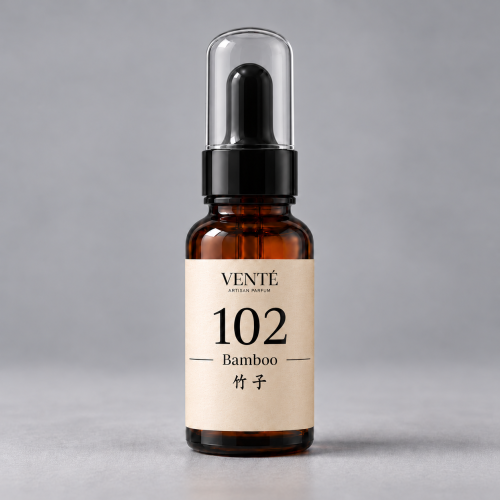 Bamboo belongs to the botanical subfamily Bambusoideae and is widely distributed across East and Southeast Asia. In Chinese tradition, bamboo is one of the “Four Gentlemen,” symbolizing humility, resilience, and integrity. Its hollow stem represents openness and inner reflection, while its upright growth embodies moral strength in Confucian philosophy. In Daoist thought, bamboo expresses flexibility within strength, bending without breaking. In Japan, bamboo groves are associated with purification and spiritual protection, often planted near shrines. Fast-growing yet structurally stable, bamboo symbolizes adaptability and disciplined vitality. It conveys clarity, restraint, and inner order rather than dominance. From classical poetry to modern minimalist perfumery, bamboo represents purity, elasticity, and quiet spiritual poise.
-
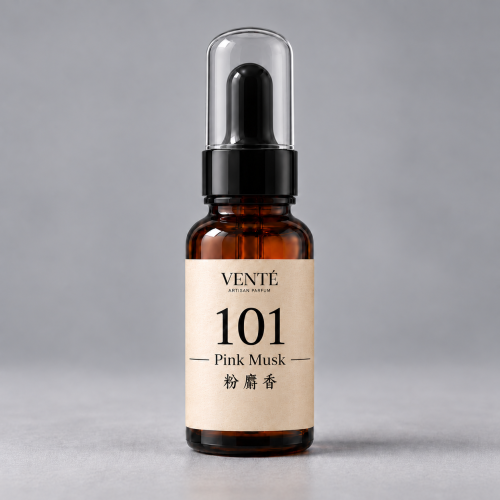 Powdery Musk is not derived from a single botanical source but represents a modern interpretation of white musk molecules, often evolving from synthetic musks such as Galaxolide. Historically, natural musk was obtained from animals like Moschus moschiferus, highly valued along Middle Eastern and Silk Road trade routes as a symbol of power and primal attraction. Over time, ethical concerns led to the rise of synthetic musks, transforming the scent’s symbolism from animalic intensity to cleanliness and intimacy. “Powdery Musk” expresses a softened, skin-like aura with a cosmetic tenderness, suggesting warmth left on fabric or the lingering trace of an embrace. It represents purity, closeness, and understated magnetism. From ancient sensual mystery to modern clean elegance, powdery musk embodies instinct refined into gentle emotional connection.

10 Anson Road, International Plaza #03-30
Singapore 079903 (Tanjong Pagar MRT)
Mon – Fri 9.30am – 8.30pm
Sat/Sun/PH 9.30am – 6.30pm
© Copyright VENTÉ Perfume Studio 2026