-
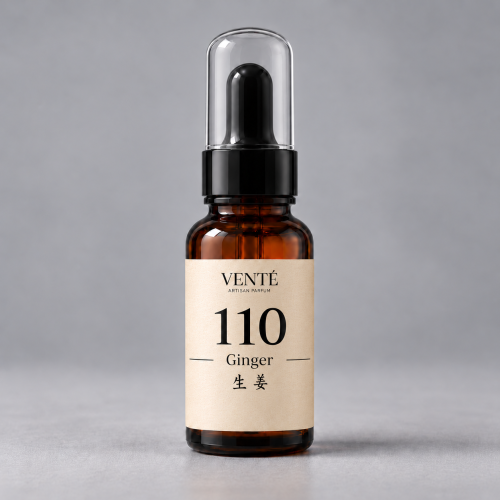 Ginger, botanically known as Zingiber officinale, is native to Southeast Asia and has been valued for thousands of years as both spice and medicine. In ancient Chinese and Indian traditions, it symbolized warmth and internal vitality, while in Ayurveda it represented digestive fire and life force. Through maritime trade routes, ginger spread to the Middle East and Europe, becoming a prized spice in Roman times and later medieval trade, symbolizing warmth and energy. During the Age of Exploration, it became a key connector between East and West, representing movement and expansion. In perfumery, ginger often opens compositions with bright heat and momentum, evoking awakening and action. From ancient healing texts to modern energetic fragrances, ginger signifies warmth, courage, and forward motion.
-
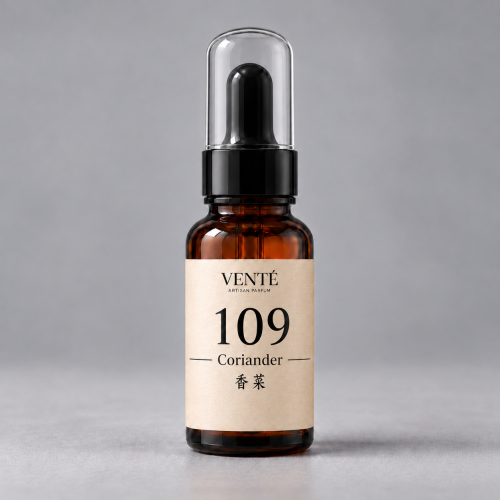 Coriander, botanically known as Coriandrum sativum, is one of the oldest cultivated spice plants, native to the Mediterranean and Western Asia. Archaeological findings show coriander seeds in ancient Egyptian tombs, symbolizing continuity and protection. In biblical references, manna was described as resembling coriander seed, associating it with divine nourishment. The Greeks and Romans valued it for culinary and medicinal purposes, believing it stimulated vitality and digestion. Through Silk Road and maritime trade, coriander spread globally, becoming a key ingredient in diverse cuisines. Its leaves and seeds differ greatly in aroma, symbolizing duality and integration. In perfumery, coriander acts as a bright bridge between freshness and warmth. From sacred rituals to modern aromatic structures, it represents clarity, vitality, and cultural convergence.
-
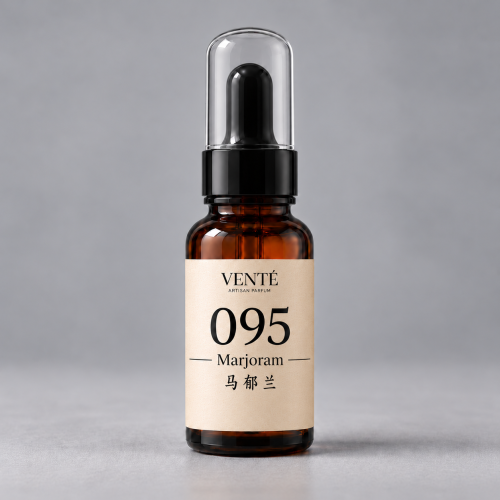 Marjoram, botanically known as Origanum majorana, is native to the Mediterranean and has long been associated with love and joy. In Greek mythology it was believed to be a gift from Aphrodite, symbolizing marital happiness and emotional harmony, and newlyweds wore marjoram wreaths for blessing. The Romans adopted this tradition, incorporating it into wedding and celebratory rituals. Medieval herbal texts described marjoram as a remedy for nervous tension and melancholy, earning it the name “herb of happiness.” In folk belief, placing marjoram beneath a pillow was said to reveal one’s future partner in dreams, linking it to destiny and affection. Monastic gardens cultivated it not only for medicine but also as a symbol of peace and grace. Across centuries, marjoram has embodied gentleness, connection, and emotional restoration. From mythic blessings of love to modern aromatic therapy, it represents harmony, comfort, and balance within relationships.
-
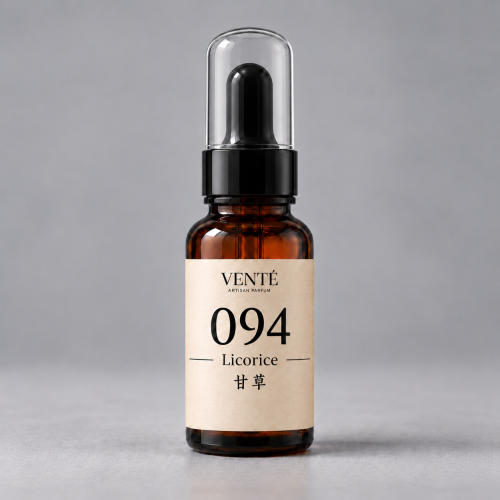 Licorice, botanically known as Glycyrrhiza glabra, takes its name from the Greek meaning “sweet root.” It was discovered in the tomb of the Egyptian pharaoh Tutankhamun, used in beverages and medicinal preparations symbolizing vitality and royal nourishment. Hippocrates documented its use for soothing the lungs, and Roman soldiers carried it on long campaigns to relieve thirst and fatigue, linking it to endurance. In the Chinese classic Shennong Bencao Jing, licorice was called the “great harmonizer,” believed to balance and moderate the effects of other herbs, embodying the Daoist principle of harmony. In Persian and Middle Eastern traditions, it was prepared as cooling drinks to restore internal balance. Rather than dominating, licorice works gently to unify and soften. From ancient royal pharmacopeia to modern oriental fragrance structures, Licorice represents balance, smoothness, and inner cohesion.
-
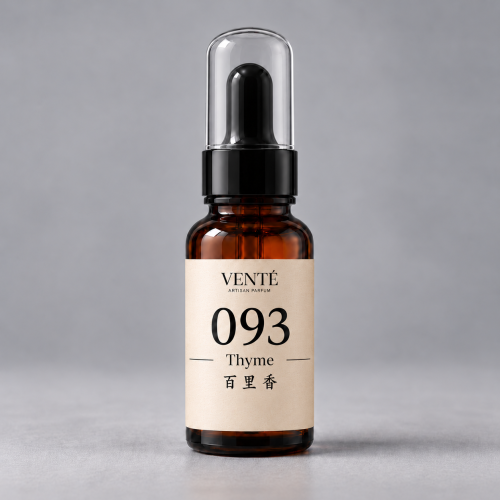 Thyme, botanically known as Thymus vulgaris, derives its name from the Greek word “thymos,” meaning courage and spirited energy. In ancient Greece it was burned in temples as a symbol of purification and bravery, and warriors anointed themselves with thyme oil before battle to seek strength and protection. The Romans adopted this practice, adding thyme to baths and sachets to fortify body and mind. During the Middle Ages, thyme was believed to ward off plague and dark forces; knights embroidered it on their garments as an emblem of honor. In Celtic and Nordic folklore, thyme was associated with fairies and unseen realms, thought to bridge human and natural energies. Monastic herbal texts recorded its ability to stimulate clarity and resilience. Across centuries, thyme has symbolized courage, purification, and awakened willpower. From ancient battlefields to modern aromatic rituals, it represents inner fire and steadfast determination.
-
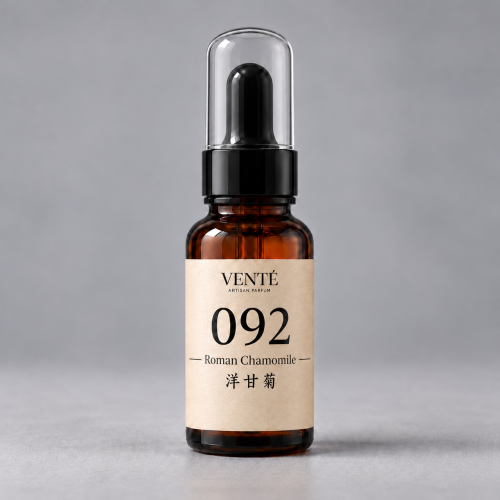 Chamomile, botanically known as Matricaria chamomilla, takes its name from the Greek “chamai melon,” meaning “apple of the ground.” In ancient Egypt it was dedicated to the sun god Ra, symbolizing solar healing power and the cycle of life, and was believed to carry light capable of dispelling illness and darkness. Greek physicians such as Hippocrates used it for fever and calming remedies, while the Romans infused it into baths and herbal preparations for restoration. In medieval monastery gardens, chamomile was called the “herb of humility,” for even when stepped upon it released fragrance, becoming a symbol of gentle resilience. In Celtic tradition it was used in blessing and purification rites and placed near beds to ward off nightmares and unrest. Folk medicine associated it with maternal protection and emotional comfort. Never imposing, chamomile works quietly in daily life and domestic healing spaces. From temple offerings to modern aromatherapy, it represents softness, guardianship, and the restorative warmth of sunlight.
-
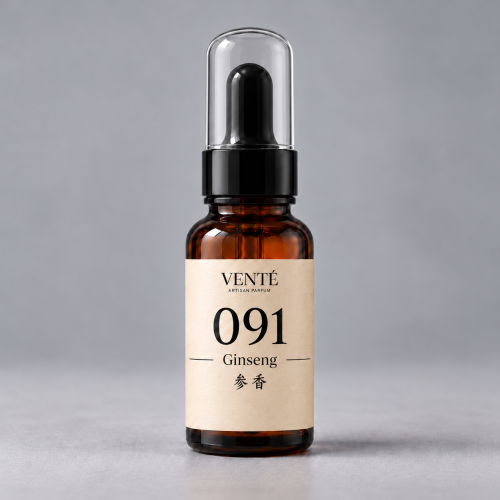 Ginseng incense refers to aromatic compositions inspired by or blended with ginseng root, whose botanical name is Panax ginseng. Native to Northeast China and the Korean Peninsula, ginseng has long been revered as the “King of Herbs.” In Chinese legend, wild ginseng embodied the spirit of the mountains, formed from the essence of heaven and earth. The ancient text Shennong Bencao Jing classified it as a superior herb that nourishes vitality, calms the spirit, and strengthens life force. In Daoist cultivation practices, it symbolized the restoration of primordial energy, supporting meditation and breath work. Ginseng incense therefore represents the replenishment of qi and inner strength. Its character suggests earthy root warmth unfolding steadily, like energy rising from deep soil. Historically used in royal and medicinal settings, it reflected harmony between body and spirit. From classical herbal philosophy to modern oriental perfumery, Ginseng incense represents vitality, foundation, and renewed inner resilience.
-
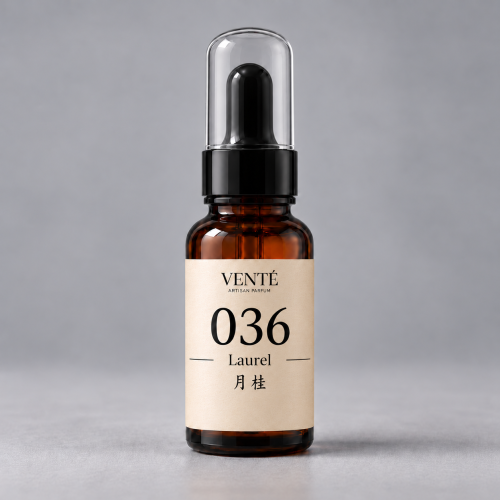 Laurel, botanically known as Laurus nobilis, is native to the Mediterranean region. In Greek mythology, it is tied to the story of Apollo and the nymph Daphne, who transformed into a laurel tree to escape him. Apollo thereafter declared the laurel sacred and fashioned wreaths from its branches. As a result, laurel became a symbol of victory and honor. Priests at Delphi wore laurel leaves, and Roman generals and emperors were crowned with laurel wreaths during triumphal processions. The term “laureate” originates from this tradition and remains associated with distinction in poetry and academia. Beyond symbolism, bay leaves have long been valued in culinary and herbal traditions, blending practical use with enduring cultural meaning.
-
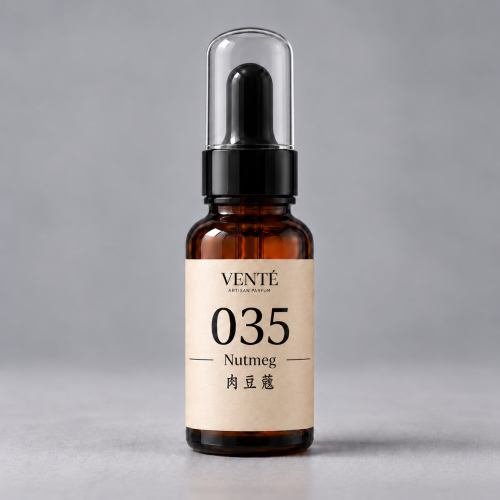 Nutmeg, botanically known as Myristica fragrans, originates from the Maluku Islands of Indonesia, historically called the “Spice Islands.” Between the 15th and 17th centuries, its rarity and reputed medicinal value drove European powers to compete fiercely for control. In 1621, the Dutch East India Company seized the Banda Islands to monopolize nutmeg production, an event that reshaped global trade history. Under the 1667 Treaty of Breda, the Dutch exchanged New Amsterdam—later New York—for control of Banda, solely to secure their nutmeg dominance. This remarkable episode cemented nutmeg’s place as one of the most historically influential spices in the world. Its warm, sweet-spicy aroma later became a cornerstone of oriental and amber fragrance compositions.
-
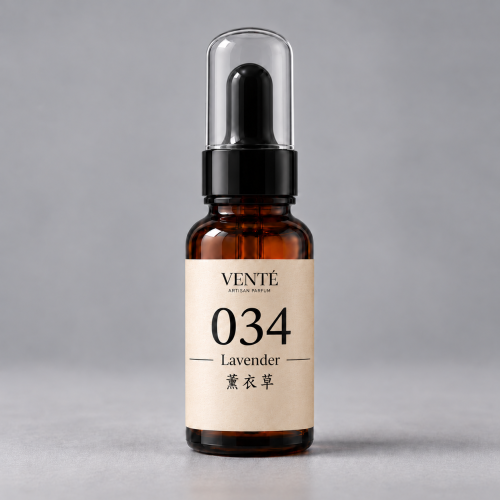 Lavender, botanically known as Lavandula angustifolia, derives its name from the Latin “lavare,” meaning “to wash.” The Romans infused it into bathwater and laundered fabrics with it, linking the plant permanently with cleansing traditions. During the Middle Ages, lavender was cultivated in European monastery gardens for herbal oils and aromatic sachets. During the 14th-century plague outbreaks, folklore claimed that workers handling lavender-infused materials were less affected—though unproven, this story strengthened its reputation as a protective herb. By the 16th century, Provence in southern France became a major cultivation center, its dry climate and high-altitude fields producing highly regarded essential oil. Over time, lavender evolved from medicinal herb to one of the most iconic aromatic plants in European perfumery, remaining a foundational material in modern fragrance composition.


10 Anson Road, International Plaza #03-30
Singapore 079903 (Tanjong Pagar MRT)
Mon – Fri 9.30am – 8.30pm
Sat/Sun/PH 9.30am – 6.30pm
© Copyright VENTÉ Perfume Studio 2026