-
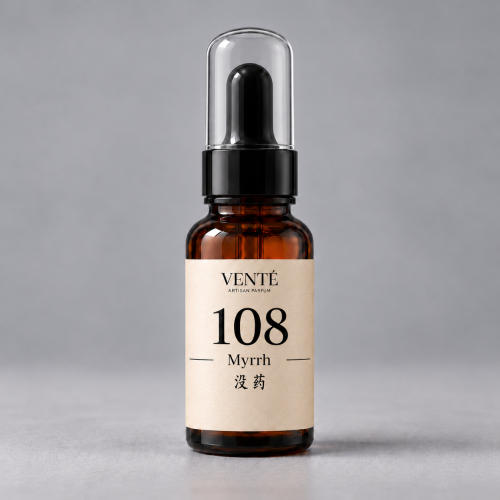 Myrrh is derived from the resin of trees such as Commiphora myrrha, native to the Arabian Peninsula and the Horn of Africa. It is one of the oldest sacred resins in human history. Ancient Egyptians used myrrh in embalming and temple rituals, associating it with the passage between life and death. In Hebrew and Christian traditions, myrrh was presented alongside frankincense as a sacred offering, symbolizing sacrifice and spiritual awakening. In classical Greek medicine, it represented purification and restoration, bridging physical and spiritual healing. Through the spice routes, myrrh became a prized material connecting civilizations. Its deep and contemplative character has long embodied solemnity and mysticism. From ancient ritual smoke to modern oriental woody compositions, myrrh signifies inner stillness, restoration, and profound spiritual depth.
-
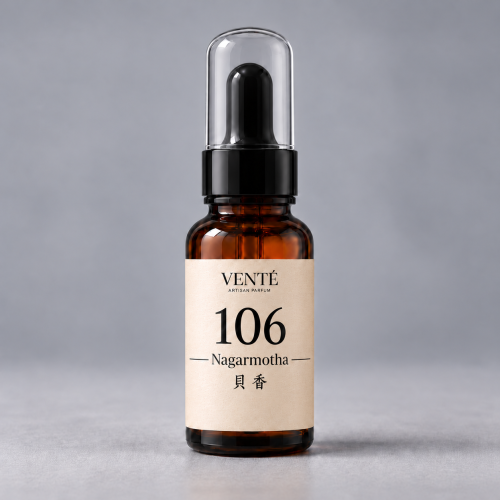 Shell Accord, often associated historically with ambergris, traces back to materials linked to Physeter macrocephalus. Ambergris, formed from whale secretion and aged in the ocean, was once one of the most treasured marine materials in Arabian and Mediterranean trade, used in royal and sacred perfumery. In mythology, the sea shell symbolizes birth and protection; in Greek legend, Aphrodite emerged from the sea upon a shell, making it an emblem of life and feminine energy. The layered structure of shells and the formation of pearls reflect transformation, time, and protective enclosure. Modern perfumery recreates shell or marine amber nuances through synthetic molecules, expressing warmth and mineral softness without relying on animal sources. Shell accord represents oceanic protection, emotional depth, and nurturing energy—from ancient maritime trade to contemporary amber-marine fragrances.
-
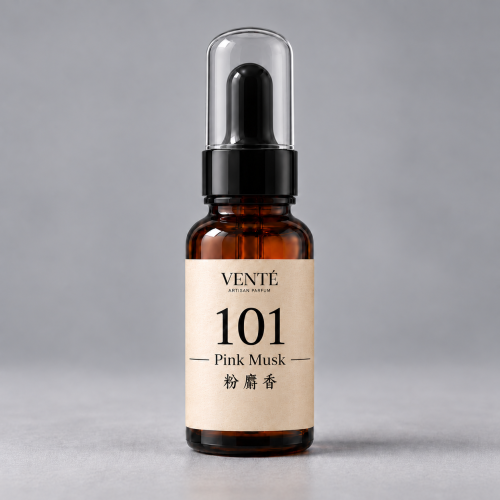 Powdery Musk is not derived from a single botanical source but represents a modern interpretation of white musk molecules, often evolving from synthetic musks such as Galaxolide. Historically, natural musk was obtained from animals like Moschus moschiferus, highly valued along Middle Eastern and Silk Road trade routes as a symbol of power and primal attraction. Over time, ethical concerns led to the rise of synthetic musks, transforming the scent’s symbolism from animalic intensity to cleanliness and intimacy. “Powdery Musk” expresses a softened, skin-like aura with a cosmetic tenderness, suggesting warmth left on fabric or the lingering trace of an embrace. It represents purity, closeness, and understated magnetism. From ancient sensual mystery to modern clean elegance, powdery musk embodies instinct refined into gentle emotional connection.
-
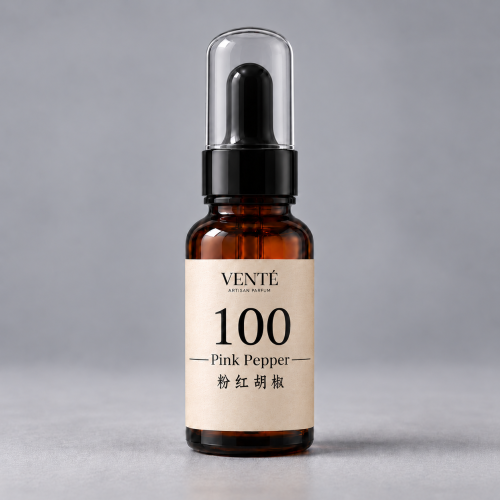 Pink Pepper comes from Schinus molle and Schinus terebinthifolia, native to the Andes of South America. Though called “pepper,” it does not belong to the true pepper family but to the cashew family. In ancient Incan culture, it was considered protective and purifying, used in rituals symbolizing vitality and spiritual fire. Its vivid color evokes sparks of flame, making it a symbol of passion and awakened energy. During the colonial era, it traveled to Europe and the Mediterranean, becoming part of culinary and trade exchanges that represented cultural fusion. In fragrance composition, pink pepper often ignites the opening, embodying courage, creativity, and the spark of transformation. From Andean highlands to modern perfumery, it represents vitality, awakening, and luminous enthusiasm.
-
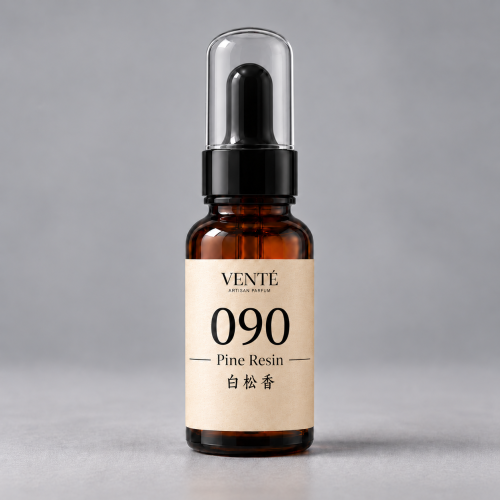 Pine Resin (white rosin) is derived from the solid resin remaining after distilling turpentine from pine trees, including species such as Pinus massoniana. Found widely across temperate forests of the Northern Hemisphere, pine resin has long been valued for fire-making, preservation, medicine, and ritual incense. In Eastern symbolism, pine trees represent longevity and resilience. In Europe, rosin is applied to violin bows, enabling sound through friction—an emblem of activation and movement. Its aroma is bright and resinous, with a crisp pine clarity reminiscent of sunlit forest air. Unlike the depth of agarwood, white rosin feels outward-moving and invigorating. In aromatherapy and spatial fragrance, it is used to refresh and energize environments. White rosin represents clarity, endurance, and upward vitality.
-
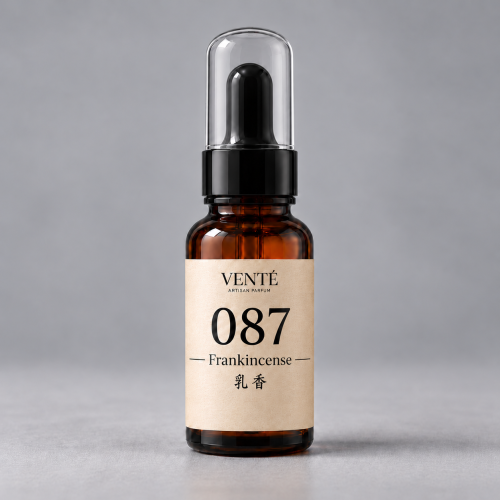 Frankincense is derived from the resin of trees such as Boswellia sacra, native to the Arabian Peninsula and the Horn of Africa. For thousands of years, it traveled along ancient incense routes from Oman and Yemen to Egypt, Jerusalem, and the Mediterranean, becoming central to sacred rituals. In ancient Egypt, its rising smoke symbolized a pathway to the divine; in Christian tradition, it was one of the three gifts representing holiness and blessing. The Greeks and Romans also used it for purification and contemplative ceremonies, linking it to spiritual elevation and silence. Its smoke rises lightly yet with gravity, as if guiding awareness upward. In modern perfumery and aromatherapy, frankincense creates depth and meditative calm. Subtle but powerful, it embodies vertical spiritual movement. From ancient temples to contemporary meditation spaces, Frankincense represents purification, elevation, and sacred connection.
-
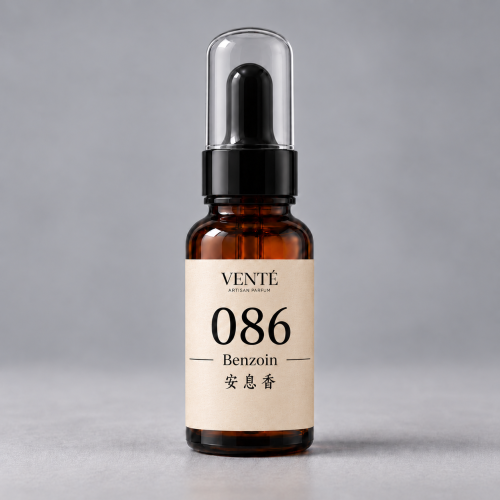 Benzoin refers to the aromatic resin derived from the tree Styrax benzoin, native to Southeast Asia, particularly Indonesia and Thailand. Ancient trade routes carried benzoin into the Middle East and the Mediterranean, where it became valued in religious incense and medicinal blends. In Egyptian and Byzantine traditions, its sweet smoke was seen as a bridge between the earthly and the sacred; medieval monasteries in Europe also used it for purification and comfort. Its warm, slightly vanilla-like sweetness made benzoin a stabilizing element in fragrance composition. With the rise of modern perfumery, it became central to oriental and amber accords, adding roundness and depth. Rather than loud, it envelops gently, forming a sense of protection. From sacred ritual smoke to contemporary base notes, Benzoin represents comfort, containment, and inner calm.
-
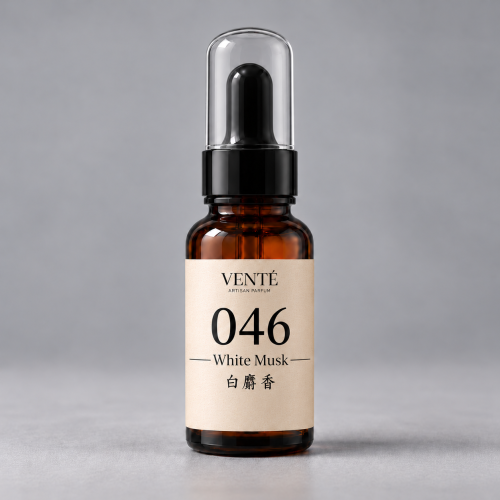 White Musk traces back to the ancient tradition of musk, originally derived from Moschus moschiferus. In ancient China, India, and the Arab world, musk was treasured as both sacred incense and precious medicine. Eastern legends described it as the breath of a mountain spirit-beast, symbolizing purity and life force, reserved only for the noble and revered. Along the Silk Road, musk became a prized trade material entering Persian and European courts, used in royal balms and religious rituals to represent sanctity and spiritual cleansing. Due to rarity and conservation, modern perfumery replaced natural musk with White Musk accords, creating a softer and cleaner scent reminiscent of warm skin and freshly laundered fabric under sunlight. From ancient mystical animal essence to contemporary skin-like elegance, White Musk carries purity, tenderness, and intimate authenticity.
-
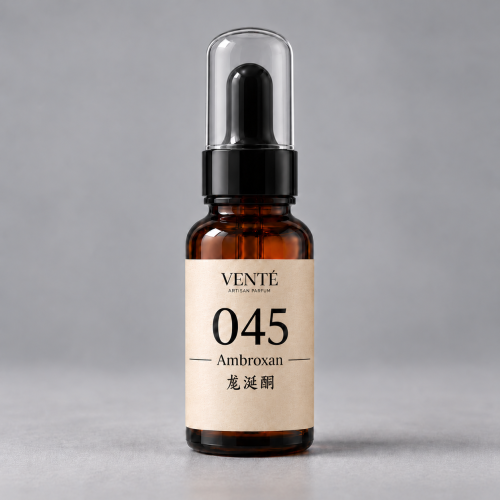 Ambroxan is one of the most iconic aroma molecules in modern perfumery, derived from the scent structure of Ambergris. Ancient Arab sailors once discovered natural ambergris floating on the sea and regarded it as a sacred gift from ocean deities, believing it to be a mystical substance left behind by great sea creatures beneath moonlight, symbolizing power and destiny. During the Middle Ages, ambergris traveled along spice routes into Persian and European courts, treasured by royalty as a symbol of wealth, authority, and desire. With scientific advancement, its core molecule Ambroxan was isolated, allowing this oceanic legend to be recreated in a stable and lasting form. Its warm, slightly salty woody aura feels like skin warmed by sunlight, carrying depth, quiet strength, and enduring presence from ancient seas to modern minimalism.
-
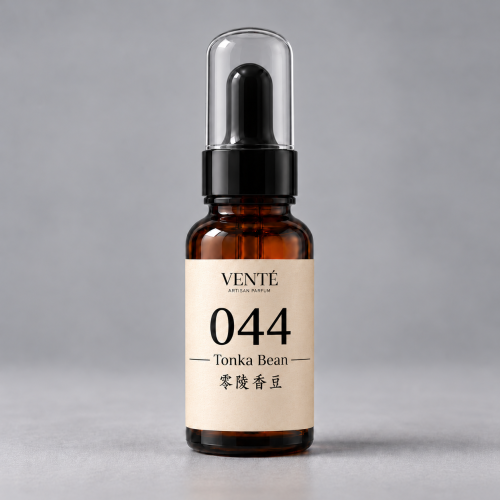 Tonka Bean, botanical name Dipteryx odorata, originates from the tropical rainforests of South America. The name “Tonka” derives from indigenous Caribbean languages, symbolizing blessing and sacred protection. In Amazonian tribal legends, Tonka Bean was believed to be a gift from the forest spirits. Lovers carried the seeds as talismans for eternal devotion, while shamans used its aroma to calm the soul and bring warmth during storms and darkness. During the colonial era, Tonka Bean was introduced to Europe, especially France and Spain. Its natural coumarin content gives a sweet almond-vanilla scent, quickly making it a cornerstone of fine perfumery. In the 19th century, French perfumers embraced it in oriental and gourmand compositions, adding softness, warmth, and sensual depth. From rainforest charm to modern fragrance foundation, Tonka Bean represents tenderness, protection, and intimate allure.
-
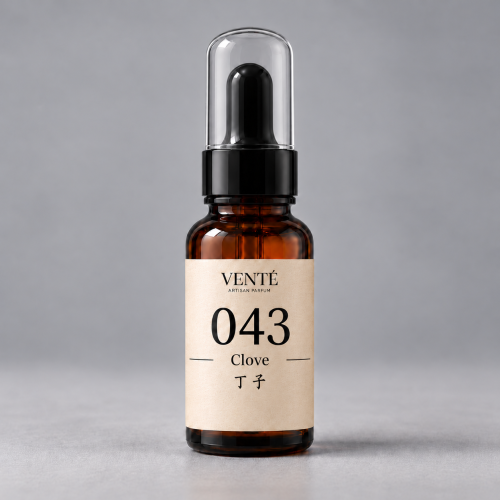 Clove, botanically known as Syzygium aromaticum, originates from the Maluku Islands of Indonesia, historically known as the “Spice Islands.” In ancient China, records from the Han Dynasty describe court officials holding cloves in their mouths before meeting the emperor as a sign of respect and refinement. As maritime trade expanded, clove traveled along Arab trade routes into the Middle East and the Mediterranean, becoming one of medieval Europe’s most valuable spices alongside cinnamon and pepper. Because its source remained distant and tightly controlled, merchants cultivated mystery around its origin to maintain high value. With the Age of Exploration in the late 15th century, the Portuguese reached the Maluku Islands, and later the Dutch established a strict monopoly through the Dutch East India Company, turning clove into a symbol of colonial power and global trade. Its intense warm spice, softened by subtle sweetness, has long been associated with protection and strength, linking imperial courts and maritime empires through its enduring aromatic presence.
-
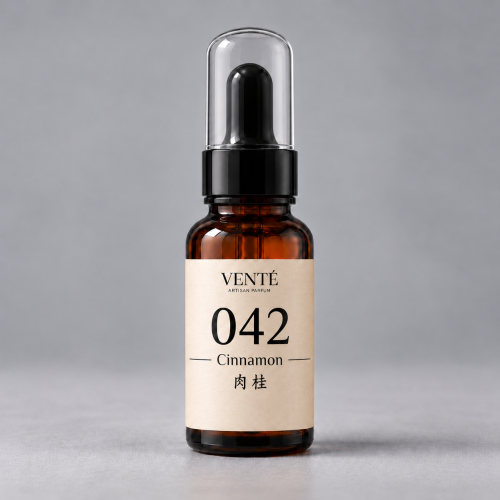 Cinnamon, botanically known as Cinnamomum verum, originates from Sri Lanka. Ancient Egyptian records describe its use in embalming and perfumed oils, marking it as a material of royal importance. For centuries, Arab traders controlled its distribution and concealed its true origin through elaborate legends—one tale claimed giant birds built nests from cinnamon sticks on high cliffs, forcing collectors to devise clever methods to retrieve them. With the rise of maritime exploration, the Portuguese reached Ceylon in the 16th century and secured control of the cinnamon trade, followed by the Dutch and later the British, making it one of the most contested spices of the colonial era. Its warm, sweet-spicy aroma has long symbolized wealth and vitality, remaining a key element in oriental and gourmand fragrance compositions.

10 Anson Road, International Plaza #03-30
Singapore 079903 (Tanjong Pagar MRT)
Mon – Fri 9.30am – 8.30pm
Sat/Sun/PH 9.30am – 6.30pm
© Copyright VENTÉ Perfume Studio 2026