-
 The Ocean is not a botanical material but an olfactory concept inspired by marine air, minerals, and open water. In Greek mythology, the sea was ruled by Poseidon, symbolizing power, unpredictability, and the depths of the subconscious; in Roman tradition, he was known as Neptune. Throughout history, the ocean represented both danger and discovery, serving as the pathway for Phoenician and Viking exploration. In Eastern philosophy, vast waters symbolize boundlessness and acceptance. Modern marine fragrances emerged through 20th-century synthetic molecules that shaped the iconic aquatic style, redefining freshness in perfumery. The ocean represents flow, release, and renewal—depth and freedom at once. From mythic sea gods to contemporary aquatic scents, it embodies purification, liberation, and infinite expansion.
-
 Sunflower, botanically known as Helianthus annuus, is native to the Americas and held sacred status among ancient Indigenous civilizations. The Aztecs and Incas regarded it as an embodiment of the sun deity, and priests wore golden sunflower ornaments as symbols of life and cosmic order. Its natural heliotropic movement—turning toward the sun—made it a symbol of loyalty, faith, and devotion to light. In Greek mythology, the nymph Clytie, heartbroken in love with Helios, gazed endlessly at the sun and was transformed into a sunflower, representing unwavering devotion. In Europe, sunflower later became a sign of harvest, abundance, and optimism. From ancient solar worship to modern symbolism of positivity, sunflower embodies warmth, confidence, and forward-moving vitality.
-
 Myrtle, botanically known as Myrtus communis, is native to the Mediterranean region and has long been associated with love and sacred feminine energy. In Greek mythology, it was dedicated to Aphrodite, who was said to have covered herself with myrtle leaves after emerging from the sea, making the plant a symbol of romance, purity, and marital blessing. The Romans linked it to Venus, and brides wore myrtle wreaths as tokens of fidelity and happiness. In Jewish and Mediterranean traditions, myrtle also symbolizes peace and renewal, used in ceremonies and festivals. It represents both the awakening of passion and the gentleness of commitment. From ancient garlands to modern green floral accords, myrtle embodies emotional openness, purity, and enduring connection.
-
 Bamboo belongs to the botanical subfamily Bambusoideae and is widely distributed across East and Southeast Asia. In Chinese tradition, bamboo is one of the “Four Gentlemen,” symbolizing humility, resilience, and integrity. Its hollow stem represents openness and inner reflection, while its upright growth embodies moral strength in Confucian philosophy. In Daoist thought, bamboo expresses flexibility within strength, bending without breaking. In Japan, bamboo groves are associated with purification and spiritual protection, often planted near shrines. Fast-growing yet structurally stable, bamboo symbolizes adaptability and disciplined vitality. It conveys clarity, restraint, and inner order rather than dominance. From classical poetry to modern minimalist perfumery, bamboo represents purity, elasticity, and quiet spiritual poise.
-
 Bellflower commonly refers to the genus Campanula, native to Europe and temperate Asia, named for its small bell-shaped blossoms. Medieval European folklore believed that when bellflowers swayed in the night breeze, they carried the whispers of fairies, symbolizing a link between nature and the unseen world. In Celtic legends, bluebell-filled woodlands were considered fairy grounds, where people spoke softly in respect of nature’s hidden order. During the Renaissance, as botanical illustration and garden culture flourished, bellflowers became a symbol of quiet elegance, forming serene floral carpets without ostentation. In modern perfumery, bluebell accords represent lightness, clarity, and airy transparency. Neither as opulent as rose nor as intense as tuberose, it conveys a gentle resonance carried by wind. From enchanted forests to contemporary longing for calm, Bellflower symbolizes purity of heart, soft communication, and inner clarity.
-
 Ocean is not a single botanical material but a symbol of the planet’s most ancient and profound force. Since the dawn of civilization, the sea has been regarded as the origin of life and the boundary of the unknown. In Greek mythology, the sea god Poseidon governed tides and storms, representing power and untamed order; in Norse legends, the ocean connected realms and marked the beginning of exploration. The Phoenicians and later Mediterranean sailors relied on the sea to build trade routes and cultural exchange, turning it into a bridge of civilization. During the Age of Discovery, oceans became symbols of exploration and freedom. In modern perfumery, marine notes express freshness and open air rather than floral sweetness. From mythic authority to contemporary longing for freedom, Ocean represents depth, expansion, and self-discovery.
-
 Peppermint refers to Mentha × piperita, native to Europe and the Mediterranean, long associated with clarity and protection. In Greek mythology, the water nymph Minthe was transformed into a herb after provoking Hades, and the mint rising from the earth became a symbol of renewal after suppression. The Greeks and Romans scattered mint leaves in banquets and homes to refresh the mind and purify the air, linking it with reason and order. During the Middle Ages, monastery herb gardens cultivated mint to ease fatigue and dispel heaviness, and travelers carried it as a companion of alertness. As trade and medical knowledge expanded, mint entered Eastern herbal traditions, continuing its role in clearing heat and balance. Modern aromatherapy and perfumery maintain this symbolism, positioning mint as a note of awakening and focus. It is not a soft floral presence but a clear, direct force; from mythic rebirth to modern mental clarity, Peppermint represents sharpened awareness, expressive confidence, and steady forward movement.
-
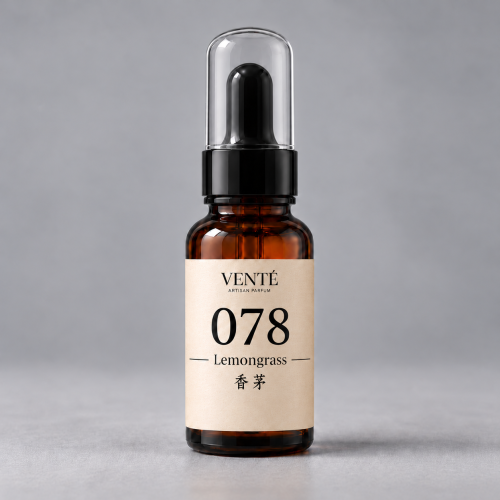 Lemongrass refers to Cymbopogon citratus, native to the tropical plains of India and Southeast Asia, and has long been associated with purification and ritual fire. In ancient Ayurvedic tradition, it was regarded as a botanical light capable of dispelling internal heat and stagnant energies; during Brahmanical dawn ceremonies, lemongrass was burned so that its rising smoke symbolized clarity of mind and the restoration of order. As maritime trade expanded across the Indian Ocean, this cleansing herb traveled into Southeast Asia, where in Thai and Malay folk customs it was hung at doorways or burned before homes as a protective presence. It did not belong to royal gardens, but to everyday life and domestic guardianship. During the colonial era, it was introduced to Europe and gradually entered perfumery and aromatherapy, becoming a symbol of alertness and forward momentum. Its essence has remained constant—not lavish bloom, but the quiet act of clearing the air when confusion gathers. From ancient ritual fires to modern spaces seeking renewal, Lemongrass represents purification, awakening, and the courage to begin again.
-
 Cactus commonly refers to species within the Cactaceae family, such as Opuntia ficus-indica. Native to Central and South America, it held sacred significance in Aztec civilization; the Mexican national emblem features an eagle perched upon a cactus, symbolizing resilience and destiny. Legend tells that the sun god guided the Aztecs to settle where they saw an eagle standing on a cactus, marking the founding of Tenochtitlan. In harsh desert landscapes, cactus stores water and survives extreme climates, becoming a symbol of endurance, protection, and inner strength. Though its flowers bloom briefly, they are vivid and radiant, and its fruit offers refreshing sweetness. In perfumery, cactus notes are often expressed through watery green freshness with subtle fruity brightness—clean yet firm. It does not express fragility, but rather quiet resilience. From desert mythology to modern symbolism, Cactus embodies independence, adaptability, and self-protection.
-
 Aloe Vera refers to Aloe vera, native to North Africa and the Arabian Peninsula. The ancient Egyptians called it the “plant of immortality,” and legend holds that Cleopatra used aloe gel to maintain radiant skin. Records of aloe have been found in Egyptian burial sites, symbolizing protection and rebirth. Greek physicians and Roman armies valued it for wound healing, and it was said that Alexander the Great ensured access to aloe for his soldiers during campaigns. Through trade routes, aloe spread eastward and became part of traditional herbal medicine. Its scent is extremely subtle—fresh, watery, and slightly green with a faint herbal bitterness—clean rather than floral. It does not seduce like blossoms; instead, it protects and restores. From desert survivor to royal remedy, Aloe Vera represents healing, renewal, and inner resilience.
-
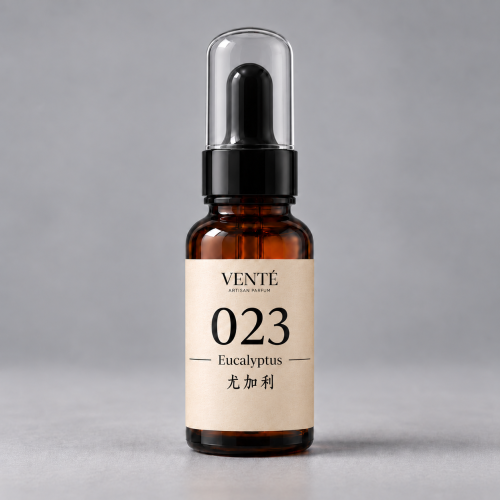 Native to Australia, eucalyptus has long been revered by Indigenous communities for its cleansing and healing properties; within Dreamtime cosmology, vast eucalyptus groves symbolize the breathing earth and the guardianship of ancestral spirits, embodying a living connection between land and life. When European explorers introduced the tree to the wider world, it quickly entered medical practice and aromatherapy as a symbol of purification and respiratory clarity. Its scent is cool, sharp, and penetrating, with mint-like freshness layered over a subtly bitter woody base, reminiscent of rain-cleansed forest air at dawn; in perfumery, eucalyptus evokes clarity, renewal, and open space rather than sweetness or indulgence, serving as an olfactory bridge between ancient ecological wisdom and modern sensory experience, carrying forward a narrative of wind, resilience, and the enduring pulse of the earth.
-
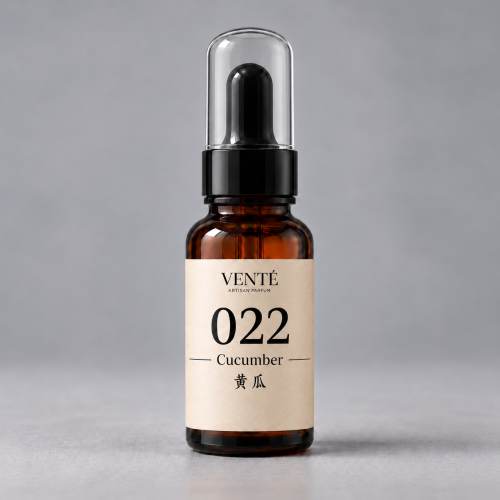 Cucumber traces its origins to ancient India and the Himalayan foothills, where it was cultivated as a cooling and nourishing fruit before traveling along trade routes to Persia and the Mediterranean; by the time of ancient Rome, it had become a favored crop, with Emperor Tiberius famously requesting cucumbers year-round, symbolizing humanity’s desire to harmonize with and command the rhythms of nature. In Middle Eastern culinary traditions, cucumber paired with yogurt and mint reflects a cultural understanding of balance and hydration under intense heat, embodying relief and renewal. Olfactorily, cucumber is not a sugary fruit note but a translucent green aroma with watery crispness and a faint peel-like sharpness, evoking morning dew resting on vine leaves; in contemporary perfumery it conveys cleanliness, cool minimalism, and breathable space, transforming the agricultural heritage of water-dependent civilizations into a modern expression of clarity and serene freshness.


10 Anson Road, International Plaza #03-30
Singapore 079903 (Tanjong Pagar MRT)
Mon – Fri 9.30am – 8.30pm
Sat/Sun/PH 9.30am – 6.30pm
© Copyright VENTÉ Perfume Studio 2026