-
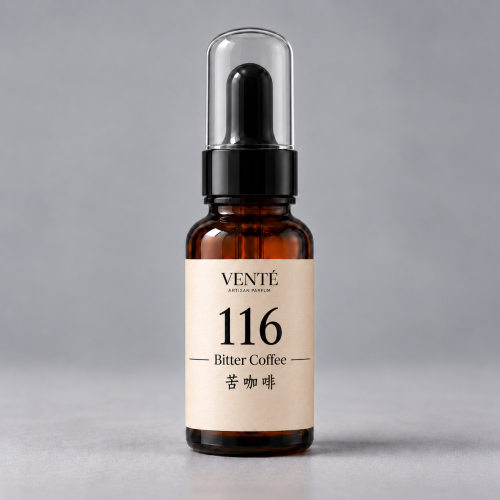 Bitter Coffee originates from the fruit of the coffee tree, most notably Coffea arabica, native to the Ethiopian highlands. Legend tells of a shepherd named Kaldi who discovered the energizing effect of the red berries, marking the beginning of coffee’s journey through civilization. From the Arabian Peninsula to the Ottoman Empire and Europe, coffeehouses in the 17th century became centers of philosophical debate and intellectual awakening. In Islamic culture, coffee symbolized clarity and devotion; during the European Enlightenment, it represented rational thought and social exchange. The bitterness of coffee signifies maturity and depth, not mere taste. In modern perfumery, coffee accords evoke warmth, intensity, and nocturnal sophistication. From African highlands to global café culture, bitter coffee embodies awakening, intellect, and confident strength.
-
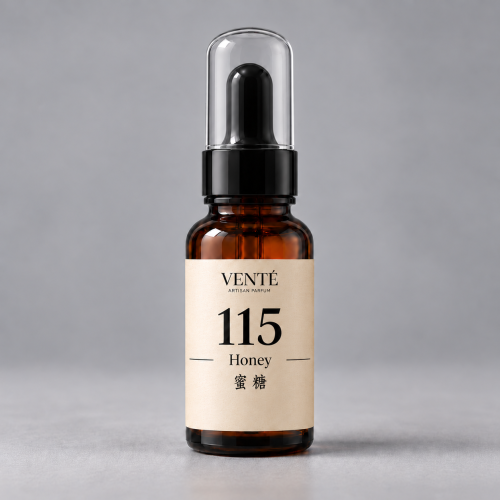 Honey is produced by bees such as Apis mellifera and has accompanied human civilization since ancient times. In Ancient Egypt, honey was regarded as a sacred gift from the sun god and was offered in temples and royal tombs. In Greek mythology, the gods consumed divine nectar symbolizing immortality, linking honey with sacred sweetness and eternal life. Bee priestesses were believed to carry divine messages, representing purity and revelation. During medieval Europe, honey symbolized abundance and blessing, often present in weddings and celebrations. The structured harmony of bee colonies became a symbol of order and cooperation, while honey itself represented nourishment and gentle warmth. In modern perfumery, honey accords create warmth and sensual depth. From sacred offerings to contemporary sweet oriental fragrances, honey embodies abundance, comfort, and emotional richness.
-
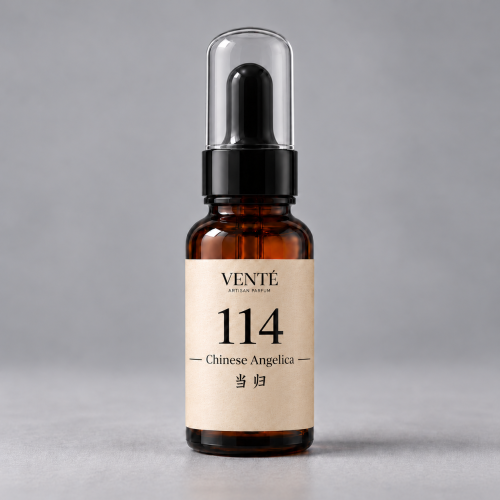 Chinese Angelica (Dong Quai), botanically known as Angelica sinensis, is native to the high-altitude regions of northwestern China and is one of the most important herbs in traditional Chinese medicine. Its name implies “returning to balance,” symbolizing restoration and nourishment. Historically traded along the Silk Road, it represented Eastern herbal wisdom. In Western herbal tradition, the name Angelica derives from “angel,” reflecting protective and healing symbolism associated with related species in medieval Europe. Deeply rooted in cold mountain soil yet life-sustaining in function, dong quai embodies resilience and renewal. From ancient medical texts to modern botanical fragrance concepts, it signifies nourishment, protection, and inner restoration.


10 Anson Road, International Plaza #03-30
Singapore 079903 (Tanjong Pagar MRT)
Mon – Fri 9.30am – 8.30pm
Sat/Sun/PH 9.30am – 6.30pm
© Copyright VENTÉ Perfume Studio 2026