-
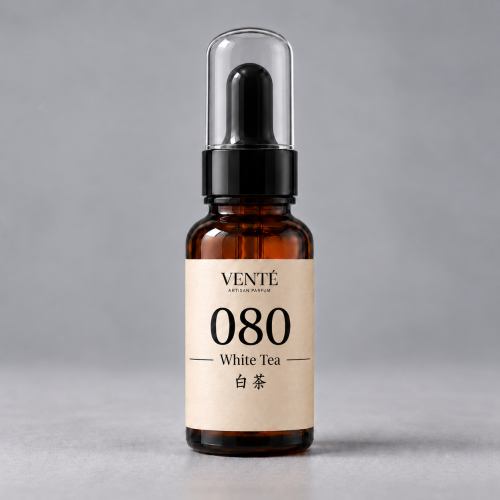 White Tea is derived from the tender buds and young leaves of Camellia sinensis, primarily cultivated in Fujian, China. It is among the least processed tea types, preserving the leaf in its natural state. Dating back to the Tang and Song dynasties, its simple sun-withering method reflected harmony with nature. Song scholars, who valued restraint and subtle aesthetics, regarded white tea as a drink of refinement and inner cultivation. With maritime trade expansion, it traveled to Southeast Asia and Europe, becoming an important export during the Qing dynasty and symbolizing Eastern elegance. Unlike bold black tea or the sharper tone of green tea, white tea carries a translucent softness, like morning mist over mountains. In modern perfumery and aromatherapy, it represents purity and balance, creating a clean and gentle atmosphere. From ancient literary gatherings to contemporary minimalist living, White Tea represents purity, equilibrium, and quiet inner strength.


10 Anson Road, International Plaza #03-30
Singapore 079903 (Tanjong Pagar MRT)
Mon – Fri 9.30am – 8.30pm
Sat/Sun/PH 9.30am – 6.30pm
© Copyright VENTÉ Perfume Studio 2026