• VE Wealth

    Price range: $25.00 through $68.90

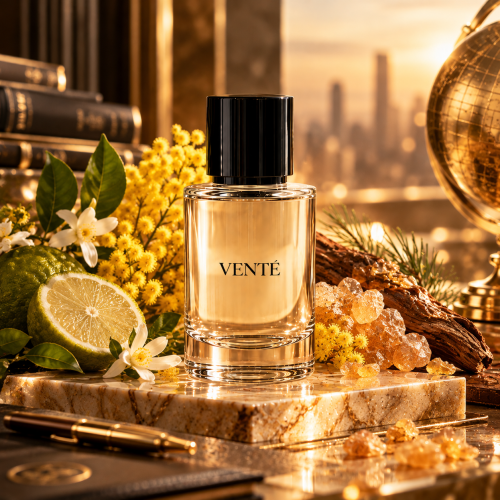
    VE Wealth is a sophisticated citrus woody fragrance crafted to embody prosperity, warmth, and refined elegance. The sparkling freshness of Bergamot creates an energising first impression, while Mimosa and Pine Resin add a smooth resinous floral depth that feels comforting yet luxurious. Anchored by the mystical richness of Frankincense, this scent develops into a warm, grounding aroma perfect for individuals who appreciate understated luxury and timeless sophistication.

    Perfect as a signature scent for professionals, entrepreneurs, and those who enjoy elegant woody fragrances with a spiritual and modern twist.

    Ideal for those who love sophisticated woody fragrances with a luxurious resinous and citrus touch.

    • Creates a refined and luxurious impression
    • Fresh citrus opening balanced with warm woody depth
    • Long-lasting resinous base with an elegant finish
    • Perfect signature scent for work, formal occasions, or evening wear
    • Modern unisex fragrance with a calm and confident character
    • Helps evoke feelings of abundance, focus, grounding, and quiet luxury
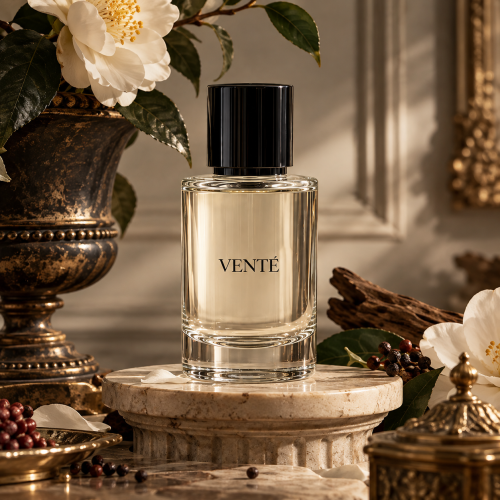
    Select options This product has multiple variants. The options may be chosen on the product page Details
  • VE Confidence

    Price range: $25.00 through $68.90
    VE Confidence is a sophisticated woody floral perfume designed for individuals who embrace elegance with confidence. The spicy freshness of Pink Pepper creates an uplifting first impression, while Iris and Camellia add a smooth floral softness that feels clean, refined, and modern. Anchored by the smoky warmth of Guaiac Wood, the fragrance develops into a sensual and comforting scent perfect for both daily wear and special occasions. Ideal for those who love elegant floral perfumes with a luxurious woody touch.
    • Creates a confident and elegant impression
    • Soft floral and woody balance suitable for day & night
    • Long-lasting warm woody base with a refined finish
    • Perfect signature scent for work, events, or date nights
    • Unisex modern scent with sophisticated character
    • Helps evoke feelings of calmness, confidence, and quiet luxury
    Select options This product has multiple variants. The options may be chosen on the product page Details
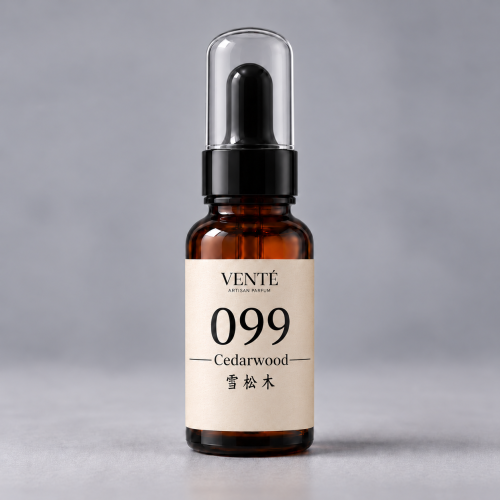
  • Cedarwood most commonly refers to species such as Cedrus libani and has long symbolized strength and sacred construction. In ancient Phoenician and Hebrew civilizations, cedar was used to build palaces and temples; the Temple of Solomon was constructed with cedar beams, representing glory and endurance. Egyptians extracted cedar oil for preservation and ritual purification, believing it protected the soul on its journey to eternity. In the Mesopotamian Epic of Gilgamesh, the quest for the Cedar Forest symbolized humanity’s pursuit of power and immortality. Tall and evergreen, cedar thrives in harsh mountain climates, becoming an emblem of resilience and dignity. Across religious texts, epic literature, and architectural heritage, cedarwood embodies structure and spiritual authority. From ancient temple pillars to modern fragrance foundations, it represents order, stability, and enduring inner strength.
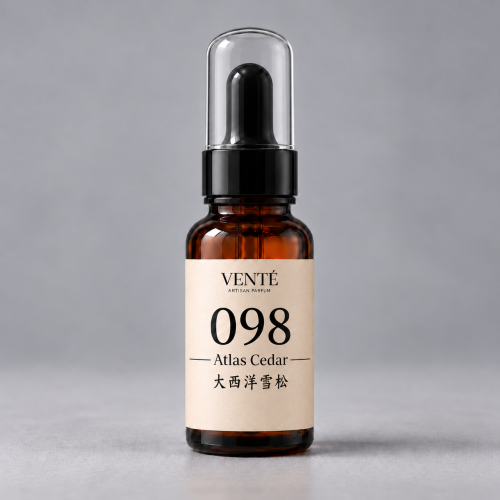
  • Atlas Cedar, botanically known as Cedrus atlantica, is native to the Atlas Mountains of Morocco and holds deep symbolic significance in ancient civilizations. In Egypt, cedar wood was used in temple construction, royal coffins, and preservation oils, symbolizing eternity and authority. Phoenicians and ancient Hebrews built palaces and sacred structures from cedar, and in biblical tradition the cedar of Lebanon represented strength and glory. Because of its durability and resistance to decay, cedar became a symbol of endurance and immortality. In North African Berber culture, cedar forests were regarded as protective and spiritually potent landscapes. Its wood has long been valued for carving and architecture, embodying structure and support. From ancient sacred buildings to modern fragrance foundations, Atlas Cedar represents stability, protection, and inner authority.
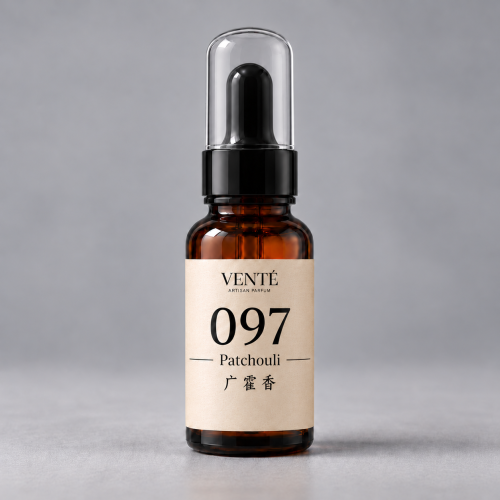
  • Patchouli, botanically known as Pogostemon cablin, originates from Southeast Asia and traveled ancient maritime trade routes to India, the Middle East, and Europe. In Indian ritual traditions, it symbolized earthly grounding and material abundance, often used in temple incense to represent stability. During the 19th-century silk trade, Indian merchants wrapped fabrics in patchouli leaves, and its distinctive scent became associated with exotic luxury in Victorian Europe. In the 1960s, patchouli emerged as a symbol of counterculture, freedom, and return to nature. Across religious rites, commerce, and social movements, its meaning consistently centers on grounding and identity. From sacred ceremonies to the core of modern oriental fragrance structures, Patchouli represents rootedness, resilience, and authentic self-expression.
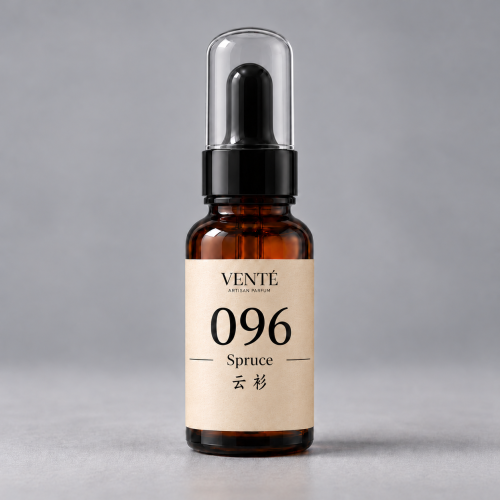
  • Spruce belongs to the genus Picea abies and thrives across Northern and Central European forests. In Norse mythology, evergreen trees were associated with the cosmic world tree, symbolizing the structure of the universe and the connection between heaven and earth. Celtic traditions viewed evergreens as signs of enduring life during winter, representing protection and hope. Germanic tribes decorated their homes with spruce branches during the darkest months to invite the return of light, a custom that later evolved into the Christmas tree tradition. Spruce resin and needles were used in fumigation and respiratory remedies, symbolizing purification and renewal. Standing resilient in harsh climates, spruce became an emblem of endurance and perseverance. From ancient forest rites to modern natural perfumery, Spruce represents purity, protection, and the strength to grow through adversity.
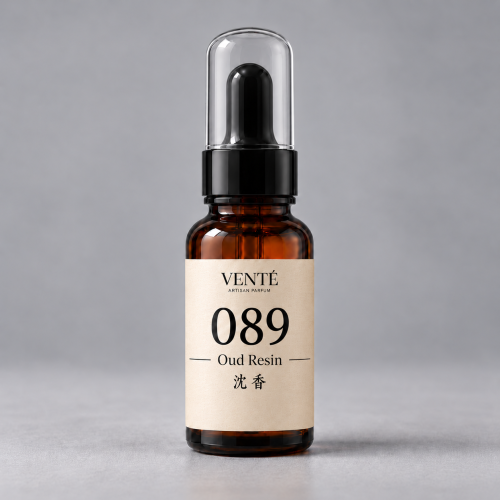
  • Oud Resin “Chen Xiang” is the classical Chinese term for agarwood, emphasizing its spiritual and cultural refinement. It is derived from trees such as Aquilaria sinensis, yet within Chinese tradition the character “Chen” conveys depth, stillness, and inward cultivation. From the Tang and Song dynasties onward, Chen Xiang became central to literati gatherings and meditative practice, alongside tea and floral arts. Song dynasty incense culture classified agarwood into prized grades, transforming it into an object of connoisseurship. In Japanese Kōdō, it is revered as “precious wood,” where one “listens” to incense rather than merely smelling it, cultivating awareness. Its aroma unfolds slowly and subtly, revealing layers of moist forest wood and resin aged by time. It does not overwhelm but resonates quietly. From ancient scholar studios to contemporary oriental perfumery, Chen Xiang represents restraint, depth, and inner awakening.
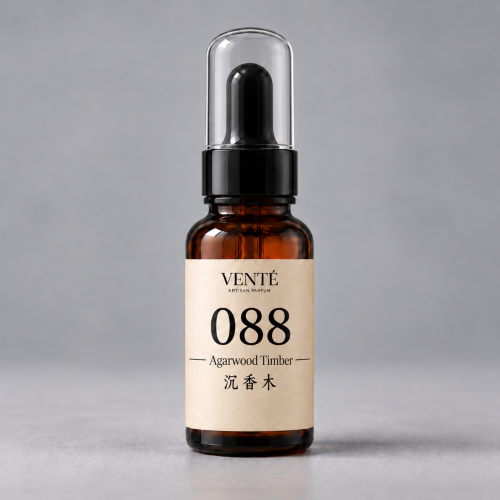
  • Agarwood is derived from trees such as Aquilaria malaccensis, which produce a dark aromatic resin when injured. Revered as one of the most precious woods, its history traces back to ancient India and Southeast Asia, recorded in Sanskrit texts and Arabic manuscripts. Through maritime trade routes, agarwood spread to China, Japan, and the Middle East, becoming central to court rituals and sacred ceremonies. In classical Chinese culture, burning agarwood accompanied meditation and literary refinement, its rising smoke symbolizing inward focus. In Islamic tradition, it was used in mosques and noble perfumery. Rich and resinous, agarwood forms the foundation of many oriental fragrance structures. It is not flamboyant but profound—a material shaped by time and patience. From royal courts to modern luxury perfumery, Agarwood represents depth, nobility, and inner steadiness.
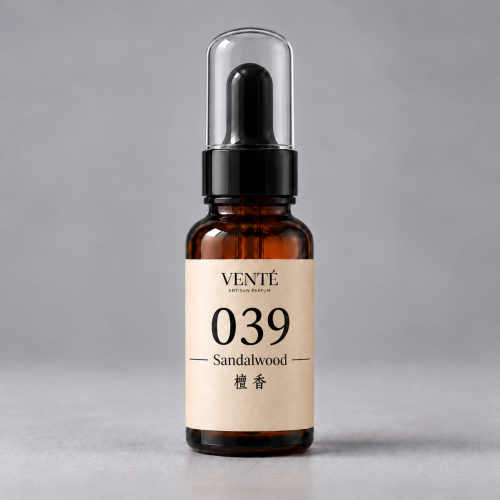
  • Sandalwood primarily refers to Santalum album, native to southern India and parts of Southeast Asia. References to sandalwood appear in ancient Sanskrit literature and early trade records dating back centuries BCE, where it was prized as a valuable aromatic wood. During the Roman Empire, sandalwood entered Mediterranean markets through overland and maritime trade routes. In the medieval period, Arab merchants listed it among high-value aromatic commodities, expanding its global circulation. Because mature heartwood requires decades to develop its characteristic scent and natural resources became limited, sandalwood has historically been subject to regulation and protection. Its creamy, smooth woody aroma has made it a foundational material in oriental and woody fragrances, long associated with composure and refinement.
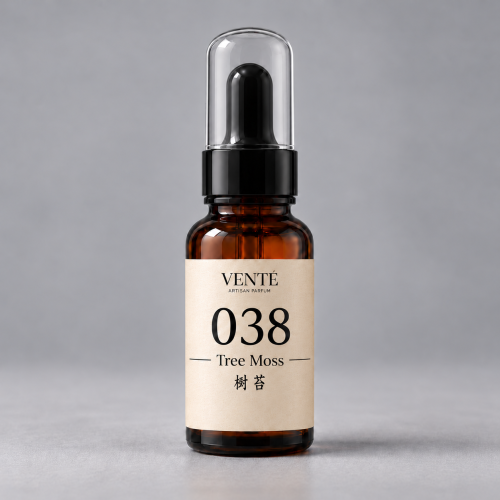
  • Tree moss (Oakmoss), botanically known as Evernia prunastri, is a lichen that grows primarily on oak trees and rocks in European forests. Since the 16th century, it has been used in herbal preparations and preservation blends. With the rise of the French perfume industry in Grasse during the late 19th and early 20th centuries, oakmoss became a foundational material in the structure of chypre fragrances. The launch of Coty Chypre in 1917 established the classic combination of bergamot, labdanum, and oakmoss, defining an entire fragrance family. Its scent evokes damp woods, tree bark, and forest floor after rain, lending depth and sophistication. Although modern regulations limit its usage, oakmoss remains an irreplaceable backbone of traditional perfumery.
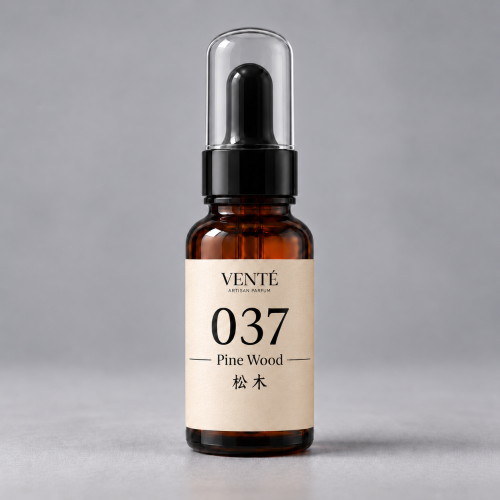
  • Pine belongs to the genus Pinus and is widely distributed across the temperate forests of Europe and northern Asia. In Norse mythology, pine and fir trees symbolized evergreen life and endurance through harsh winters. In ancient Rome, evergreen pine branches were used during winter solstice celebrations as symbols of eternity and renewal—traditions that later influenced European Christmas tree customs. Pine resin also held practical value: the Greeks and Romans sealed wine amphorae with resin, giving rise to the traditional resin wine known as Retsina. Resin was further used in shipbuilding for waterproofing, playing a significant role during the age of maritime trade. Because pine wood is resilient and cold-resistant, it became essential in architecture and navigation history. Its crisp resinous scent is therefore closely associated with forests, cold air, and vitality, making it a key component in fresh woody fragrances.
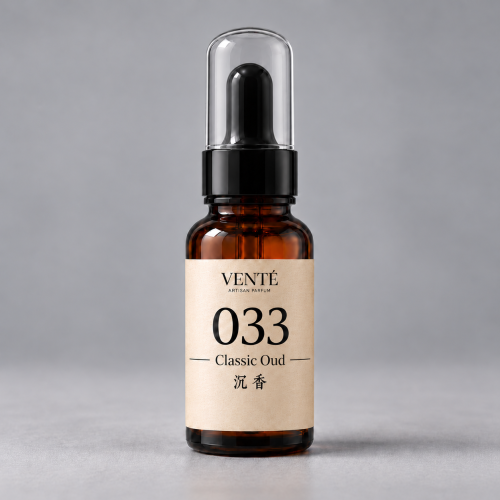
  • Classic Oud (Agarwood) forms when trees of the Thymelaeaceae family are wounded and gradually produce resin that darkens and saturates the heartwood over decades or even centuries. The Chinese term “chen” (沉) refers to its density—high-resin pieces are heavy enough to sink in water, giving rise to the saying “the sinking ones are most precious.” From the Han dynasty onward, agarwood was transported via maritime trade routes from Champa (central Vietnam), Cambodia, and the Malay Archipelago into China. By the Tang and Song periods, it had become highly prized among imperial courts and scholars. Arab merchants called it “oud,” integrating it into Middle Eastern luxury trade. Ming dynasty texts such as Xiang Cheng and Bencao Gangmu documented its grading methods, emphasizing resin content and sinking quality. Because its formation is unpredictable and time-intensive, agarwood has long symbolized rarity, wealth, and cultivated refinement.
Go to Top