-
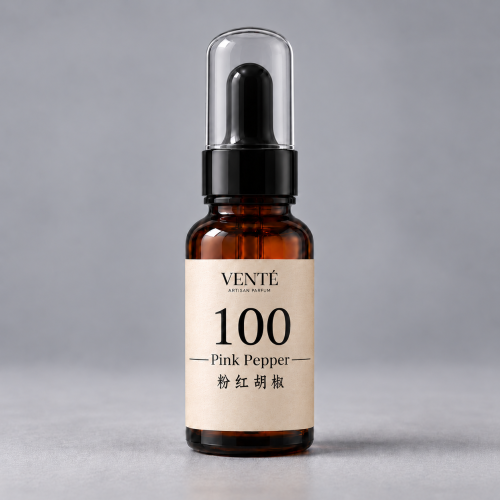 Pink Pepper comes from Schinus molle and Schinus terebinthifolia, native to the Andes of South America. Though called “pepper,” it does not belong to the true pepper family but to the cashew family. In ancient Incan culture, it was considered protective and purifying, used in rituals symbolizing vitality and spiritual fire. Its vivid color evokes sparks of flame, making it a symbol of passion and awakened energy. During the colonial era, it traveled to Europe and the Mediterranean, becoming part of culinary and trade exchanges that represented cultural fusion. In fragrance composition, pink pepper often ignites the opening, embodying courage, creativity, and the spark of transformation. From Andean highlands to modern perfumery, it represents vitality, awakening, and luminous enthusiasm.
-
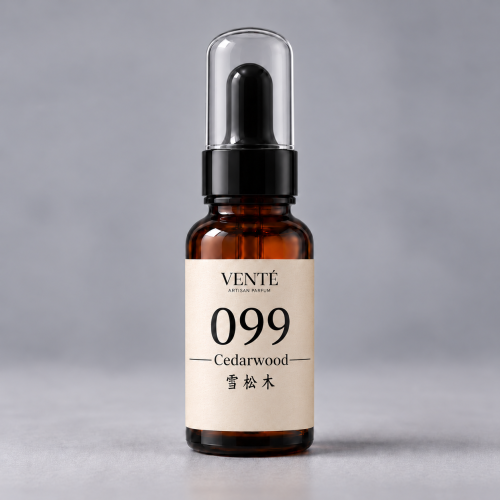 Cedarwood most commonly refers to species such as Cedrus libani and has long symbolized strength and sacred construction. In ancient Phoenician and Hebrew civilizations, cedar was used to build palaces and temples; the Temple of Solomon was constructed with cedar beams, representing glory and endurance. Egyptians extracted cedar oil for preservation and ritual purification, believing it protected the soul on its journey to eternity. In the Mesopotamian Epic of Gilgamesh, the quest for the Cedar Forest symbolized humanity’s pursuit of power and immortality. Tall and evergreen, cedar thrives in harsh mountain climates, becoming an emblem of resilience and dignity. Across religious texts, epic literature, and architectural heritage, cedarwood embodies structure and spiritual authority. From ancient temple pillars to modern fragrance foundations, it represents order, stability, and enduring inner strength.
-
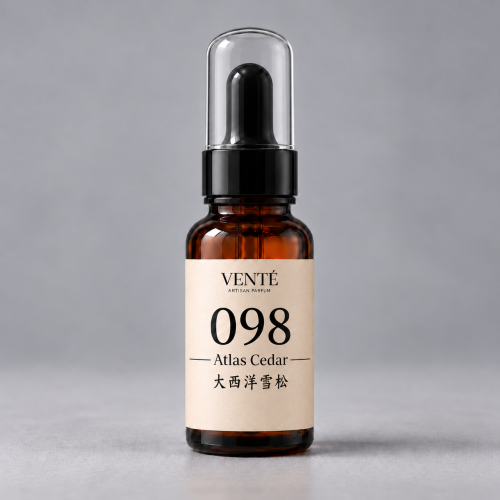 Atlas Cedar, botanically known as Cedrus atlantica, is native to the Atlas Mountains of Morocco and holds deep symbolic significance in ancient civilizations. In Egypt, cedar wood was used in temple construction, royal coffins, and preservation oils, symbolizing eternity and authority. Phoenicians and ancient Hebrews built palaces and sacred structures from cedar, and in biblical tradition the cedar of Lebanon represented strength and glory. Because of its durability and resistance to decay, cedar became a symbol of endurance and immortality. In North African Berber culture, cedar forests were regarded as protective and spiritually potent landscapes. Its wood has long been valued for carving and architecture, embodying structure and support. From ancient sacred buildings to modern fragrance foundations, Atlas Cedar represents stability, protection, and inner authority.
-
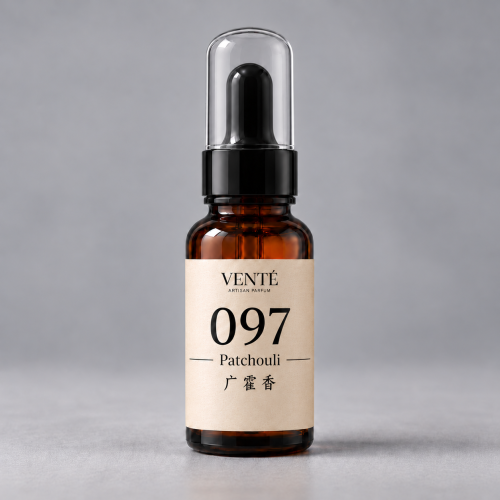 Patchouli, botanically known as Pogostemon cablin, originates from Southeast Asia and traveled ancient maritime trade routes to India, the Middle East, and Europe. In Indian ritual traditions, it symbolized earthly grounding and material abundance, often used in temple incense to represent stability. During the 19th-century silk trade, Indian merchants wrapped fabrics in patchouli leaves, and its distinctive scent became associated with exotic luxury in Victorian Europe. In the 1960s, patchouli emerged as a symbol of counterculture, freedom, and return to nature. Across religious rites, commerce, and social movements, its meaning consistently centers on grounding and identity. From sacred ceremonies to the core of modern oriental fragrance structures, Patchouli represents rootedness, resilience, and authentic self-expression.
-
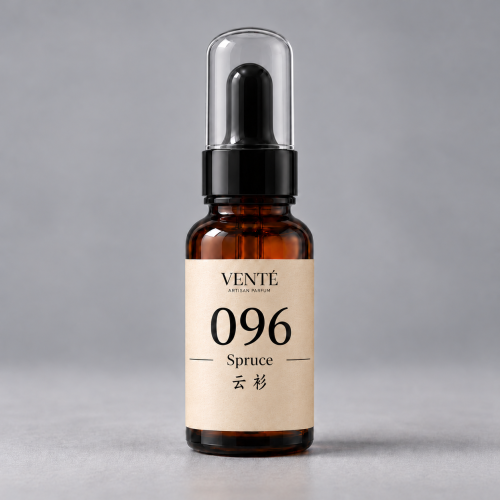 Spruce belongs to the genus Picea abies and thrives across Northern and Central European forests. In Norse mythology, evergreen trees were associated with the cosmic world tree, symbolizing the structure of the universe and the connection between heaven and earth. Celtic traditions viewed evergreens as signs of enduring life during winter, representing protection and hope. Germanic tribes decorated their homes with spruce branches during the darkest months to invite the return of light, a custom that later evolved into the Christmas tree tradition. Spruce resin and needles were used in fumigation and respiratory remedies, symbolizing purification and renewal. Standing resilient in harsh climates, spruce became an emblem of endurance and perseverance. From ancient forest rites to modern natural perfumery, Spruce represents purity, protection, and the strength to grow through adversity.
-
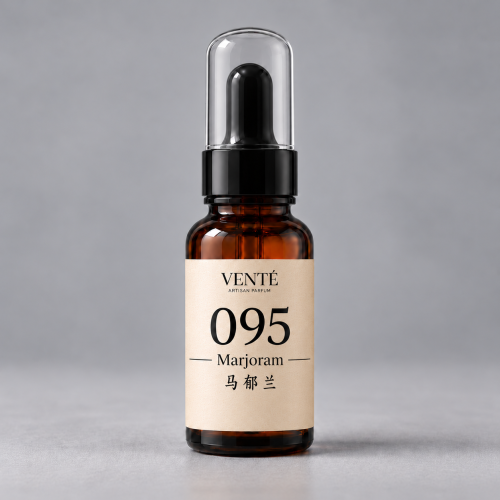 Marjoram, botanically known as Origanum majorana, is native to the Mediterranean and has long been associated with love and joy. In Greek mythology it was believed to be a gift from Aphrodite, symbolizing marital happiness and emotional harmony, and newlyweds wore marjoram wreaths for blessing. The Romans adopted this tradition, incorporating it into wedding and celebratory rituals. Medieval herbal texts described marjoram as a remedy for nervous tension and melancholy, earning it the name “herb of happiness.” In folk belief, placing marjoram beneath a pillow was said to reveal one’s future partner in dreams, linking it to destiny and affection. Monastic gardens cultivated it not only for medicine but also as a symbol of peace and grace. Across centuries, marjoram has embodied gentleness, connection, and emotional restoration. From mythic blessings of love to modern aromatic therapy, it represents harmony, comfort, and balance within relationships.
-
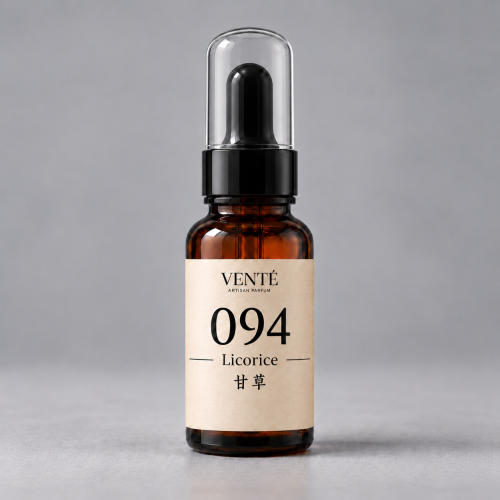 Licorice, botanically known as Glycyrrhiza glabra, takes its name from the Greek meaning “sweet root.” It was discovered in the tomb of the Egyptian pharaoh Tutankhamun, used in beverages and medicinal preparations symbolizing vitality and royal nourishment. Hippocrates documented its use for soothing the lungs, and Roman soldiers carried it on long campaigns to relieve thirst and fatigue, linking it to endurance. In the Chinese classic Shennong Bencao Jing, licorice was called the “great harmonizer,” believed to balance and moderate the effects of other herbs, embodying the Daoist principle of harmony. In Persian and Middle Eastern traditions, it was prepared as cooling drinks to restore internal balance. Rather than dominating, licorice works gently to unify and soften. From ancient royal pharmacopeia to modern oriental fragrance structures, Licorice represents balance, smoothness, and inner cohesion.
-
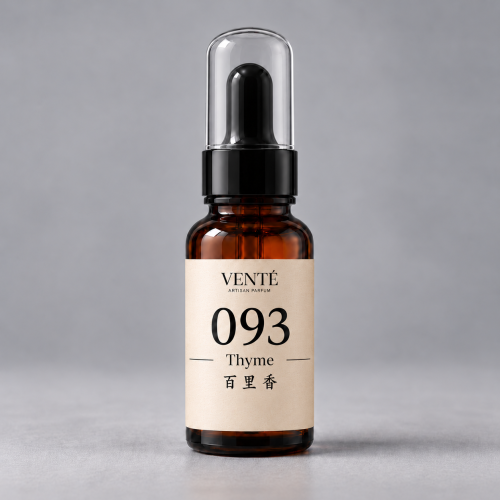 Thyme, botanically known as Thymus vulgaris, derives its name from the Greek word “thymos,” meaning courage and spirited energy. In ancient Greece it was burned in temples as a symbol of purification and bravery, and warriors anointed themselves with thyme oil before battle to seek strength and protection. The Romans adopted this practice, adding thyme to baths and sachets to fortify body and mind. During the Middle Ages, thyme was believed to ward off plague and dark forces; knights embroidered it on their garments as an emblem of honor. In Celtic and Nordic folklore, thyme was associated with fairies and unseen realms, thought to bridge human and natural energies. Monastic herbal texts recorded its ability to stimulate clarity and resilience. Across centuries, thyme has symbolized courage, purification, and awakened willpower. From ancient battlefields to modern aromatic rituals, it represents inner fire and steadfast determination.
-
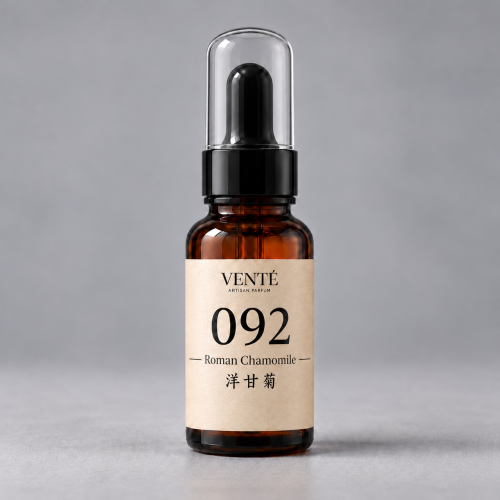 Chamomile, botanically known as Matricaria chamomilla, takes its name from the Greek “chamai melon,” meaning “apple of the ground.” In ancient Egypt it was dedicated to the sun god Ra, symbolizing solar healing power and the cycle of life, and was believed to carry light capable of dispelling illness and darkness. Greek physicians such as Hippocrates used it for fever and calming remedies, while the Romans infused it into baths and herbal preparations for restoration. In medieval monastery gardens, chamomile was called the “herb of humility,” for even when stepped upon it released fragrance, becoming a symbol of gentle resilience. In Celtic tradition it was used in blessing and purification rites and placed near beds to ward off nightmares and unrest. Folk medicine associated it with maternal protection and emotional comfort. Never imposing, chamomile works quietly in daily life and domestic healing spaces. From temple offerings to modern aromatherapy, it represents softness, guardianship, and the restorative warmth of sunlight.
-
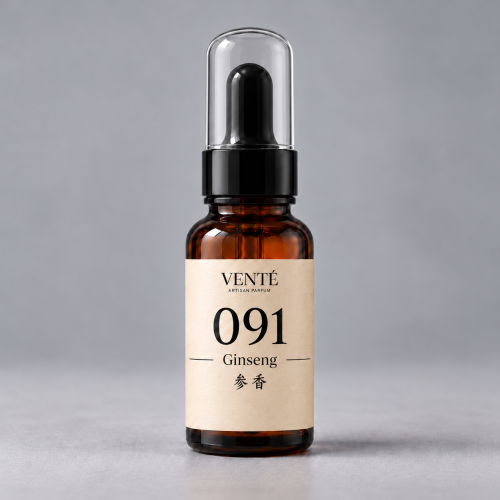 Ginseng incense refers to aromatic compositions inspired by or blended with ginseng root, whose botanical name is Panax ginseng. Native to Northeast China and the Korean Peninsula, ginseng has long been revered as the “King of Herbs.” In Chinese legend, wild ginseng embodied the spirit of the mountains, formed from the essence of heaven and earth. The ancient text Shennong Bencao Jing classified it as a superior herb that nourishes vitality, calms the spirit, and strengthens life force. In Daoist cultivation practices, it symbolized the restoration of primordial energy, supporting meditation and breath work. Ginseng incense therefore represents the replenishment of qi and inner strength. Its character suggests earthy root warmth unfolding steadily, like energy rising from deep soil. Historically used in royal and medicinal settings, it reflected harmony between body and spirit. From classical herbal philosophy to modern oriental perfumery, Ginseng incense represents vitality, foundation, and renewed inner resilience.
-
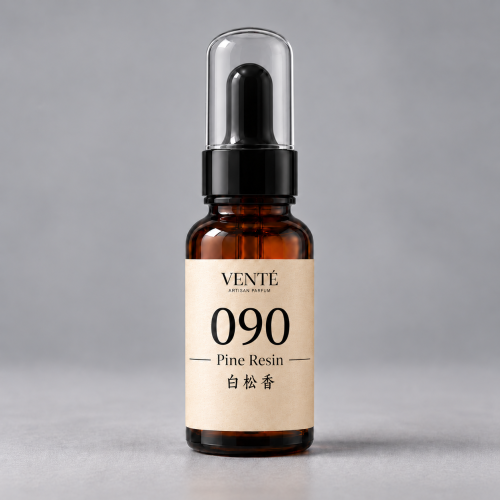 Pine Resin (white rosin) is derived from the solid resin remaining after distilling turpentine from pine trees, including species such as Pinus massoniana. Found widely across temperate forests of the Northern Hemisphere, pine resin has long been valued for fire-making, preservation, medicine, and ritual incense. In Eastern symbolism, pine trees represent longevity and resilience. In Europe, rosin is applied to violin bows, enabling sound through friction—an emblem of activation and movement. Its aroma is bright and resinous, with a crisp pine clarity reminiscent of sunlit forest air. Unlike the depth of agarwood, white rosin feels outward-moving and invigorating. In aromatherapy and spatial fragrance, it is used to refresh and energize environments. White rosin represents clarity, endurance, and upward vitality.
-
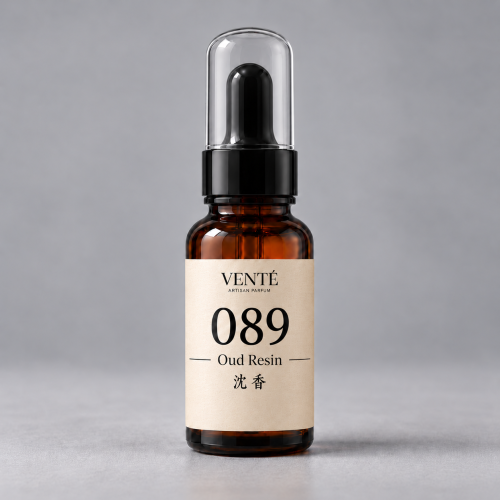 Oud Resin “Chen Xiang” is the classical Chinese term for agarwood, emphasizing its spiritual and cultural refinement. It is derived from trees such as Aquilaria sinensis, yet within Chinese tradition the character “Chen” conveys depth, stillness, and inward cultivation. From the Tang and Song dynasties onward, Chen Xiang became central to literati gatherings and meditative practice, alongside tea and floral arts. Song dynasty incense culture classified agarwood into prized grades, transforming it into an object of connoisseurship. In Japanese Kōdō, it is revered as “precious wood,” where one “listens” to incense rather than merely smelling it, cultivating awareness. Its aroma unfolds slowly and subtly, revealing layers of moist forest wood and resin aged by time. It does not overwhelm but resonates quietly. From ancient scholar studios to contemporary oriental perfumery, Chen Xiang represents restraint, depth, and inner awakening.


10 Anson Road, International Plaza #03-30
Singapore 079903 (Tanjong Pagar MRT)
Mon – Fri 9.30am – 8.30pm
Sat/Sun/PH 9.30am – 6.30pm
© Copyright VENTÉ Perfume Studio 2026