-
 Pink Pepper comes from Schinus molle and Schinus terebinthifolia, native to the Andes of South America. Though called “pepper,” it does not belong to the true pepper family but to the cashew family. In ancient Incan culture, it was considered protective and purifying, used in rituals symbolizing vitality and spiritual fire. Its vivid color evokes sparks of flame, making it a symbol of passion and awakened energy. During the colonial era, it traveled to Europe and the Mediterranean, becoming part of culinary and trade exchanges that represented cultural fusion. In fragrance composition, pink pepper often ignites the opening, embodying courage, creativity, and the spark of transformation. From Andean highlands to modern perfumery, it represents vitality, awakening, and luminous enthusiasm.
-
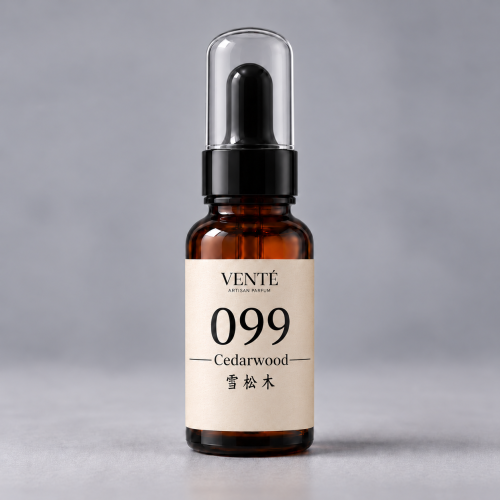 Cedarwood most commonly refers to species such as Cedrus libani and has long symbolized strength and sacred construction. In ancient Phoenician and Hebrew civilizations, cedar was used to build palaces and temples; the Temple of Solomon was constructed with cedar beams, representing glory and endurance. Egyptians extracted cedar oil for preservation and ritual purification, believing it protected the soul on its journey to eternity. In the Mesopotamian Epic of Gilgamesh, the quest for the Cedar Forest symbolized humanity’s pursuit of power and immortality. Tall and evergreen, cedar thrives in harsh mountain climates, becoming an emblem of resilience and dignity. Across religious texts, epic literature, and architectural heritage, cedarwood embodies structure and spiritual authority. From ancient temple pillars to modern fragrance foundations, it represents order, stability, and enduring inner strength.
-
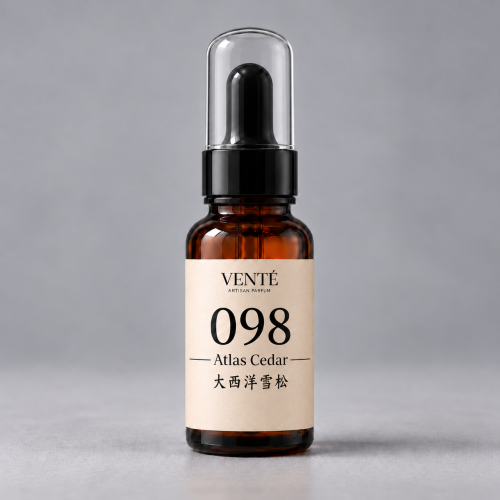 Atlas Cedar, botanically known as Cedrus atlantica, is native to the Atlas Mountains of Morocco and holds deep symbolic significance in ancient civilizations. In Egypt, cedar wood was used in temple construction, royal coffins, and preservation oils, symbolizing eternity and authority. Phoenicians and ancient Hebrews built palaces and sacred structures from cedar, and in biblical tradition the cedar of Lebanon represented strength and glory. Because of its durability and resistance to decay, cedar became a symbol of endurance and immortality. In North African Berber culture, cedar forests were regarded as protective and spiritually potent landscapes. Its wood has long been valued for carving and architecture, embodying structure and support. From ancient sacred buildings to modern fragrance foundations, Atlas Cedar represents stability, protection, and inner authority.
-
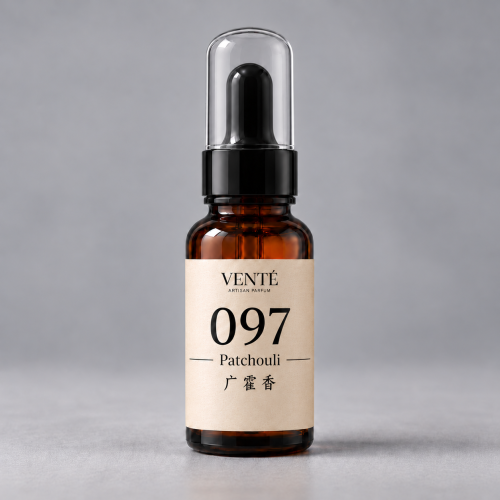 Patchouli, botanically known as Pogostemon cablin, originates from Southeast Asia and traveled ancient maritime trade routes to India, the Middle East, and Europe. In Indian ritual traditions, it symbolized earthly grounding and material abundance, often used in temple incense to represent stability. During the 19th-century silk trade, Indian merchants wrapped fabrics in patchouli leaves, and its distinctive scent became associated with exotic luxury in Victorian Europe. In the 1960s, patchouli emerged as a symbol of counterculture, freedom, and return to nature. Across religious rites, commerce, and social movements, its meaning consistently centers on grounding and identity. From sacred ceremonies to the core of modern oriental fragrance structures, Patchouli represents rootedness, resilience, and authentic self-expression.
-
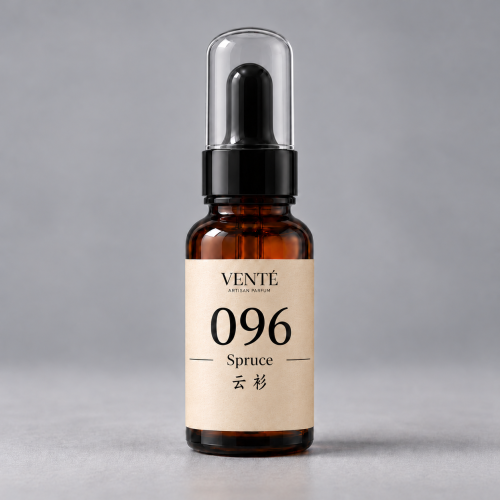 Spruce belongs to the genus Picea abies and thrives across Northern and Central European forests. In Norse mythology, evergreen trees were associated with the cosmic world tree, symbolizing the structure of the universe and the connection between heaven and earth. Celtic traditions viewed evergreens as signs of enduring life during winter, representing protection and hope. Germanic tribes decorated their homes with spruce branches during the darkest months to invite the return of light, a custom that later evolved into the Christmas tree tradition. Spruce resin and needles were used in fumigation and respiratory remedies, symbolizing purification and renewal. Standing resilient in harsh climates, spruce became an emblem of endurance and perseverance. From ancient forest rites to modern natural perfumery, Spruce represents purity, protection, and the strength to grow through adversity.
-
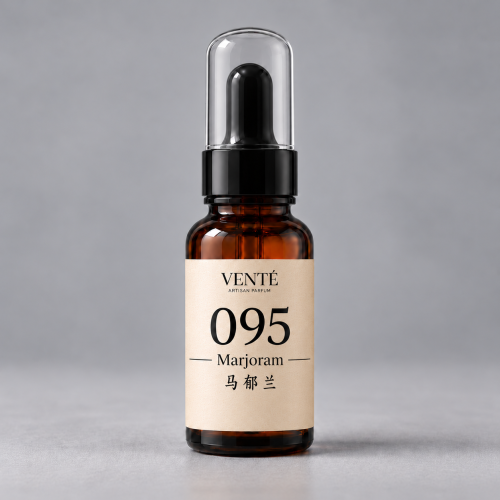 Marjoram, botanically known as Origanum majorana, is native to the Mediterranean and has long been associated with love and joy. In Greek mythology it was believed to be a gift from Aphrodite, symbolizing marital happiness and emotional harmony, and newlyweds wore marjoram wreaths for blessing. The Romans adopted this tradition, incorporating it into wedding and celebratory rituals. Medieval herbal texts described marjoram as a remedy for nervous tension and melancholy, earning it the name “herb of happiness.” In folk belief, placing marjoram beneath a pillow was said to reveal one’s future partner in dreams, linking it to destiny and affection. Monastic gardens cultivated it not only for medicine but also as a symbol of peace and grace. Across centuries, marjoram has embodied gentleness, connection, and emotional restoration. From mythic blessings of love to modern aromatic therapy, it represents harmony, comfort, and balance within relationships.
-
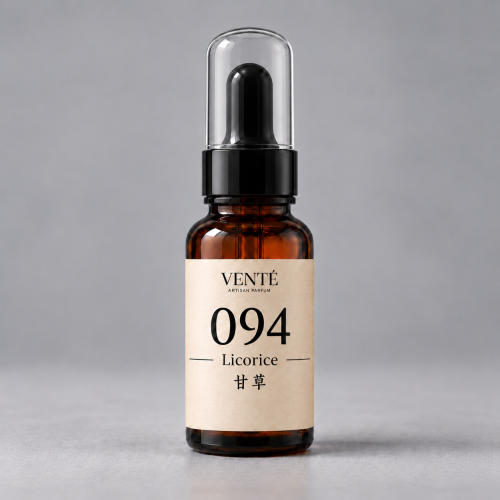 Licorice, botanically known as Glycyrrhiza glabra, takes its name from the Greek meaning “sweet root.” It was discovered in the tomb of the Egyptian pharaoh Tutankhamun, used in beverages and medicinal preparations symbolizing vitality and royal nourishment. Hippocrates documented its use for soothing the lungs, and Roman soldiers carried it on long campaigns to relieve thirst and fatigue, linking it to endurance. In the Chinese classic Shennong Bencao Jing, licorice was called the “great harmonizer,” believed to balance and moderate the effects of other herbs, embodying the Daoist principle of harmony. In Persian and Middle Eastern traditions, it was prepared as cooling drinks to restore internal balance. Rather than dominating, licorice works gently to unify and soften. From ancient royal pharmacopeia to modern oriental fragrance structures, Licorice represents balance, smoothness, and inner cohesion.
-
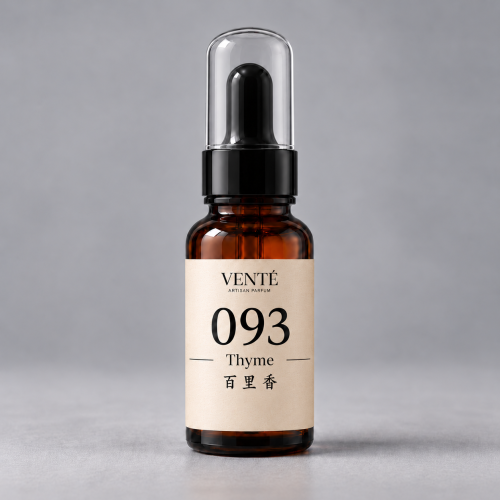 Thyme, botanically known as Thymus vulgaris, derives its name from the Greek word “thymos,” meaning courage and spirited energy. In ancient Greece it was burned in temples as a symbol of purification and bravery, and warriors anointed themselves with thyme oil before battle to seek strength and protection. The Romans adopted this practice, adding thyme to baths and sachets to fortify body and mind. During the Middle Ages, thyme was believed to ward off plague and dark forces; knights embroidered it on their garments as an emblem of honor. In Celtic and Nordic folklore, thyme was associated with fairies and unseen realms, thought to bridge human and natural energies. Monastic herbal texts recorded its ability to stimulate clarity and resilience. Across centuries, thyme has symbolized courage, purification, and awakened willpower. From ancient battlefields to modern aromatic rituals, it represents inner fire and steadfast determination.
-
 Chamomile, botanically known as Matricaria chamomilla, takes its name from the Greek “chamai melon,” meaning “apple of the ground.” In ancient Egypt it was dedicated to the sun god Ra, symbolizing solar healing power and the cycle of life, and was believed to carry light capable of dispelling illness and darkness. Greek physicians such as Hippocrates used it for fever and calming remedies, while the Romans infused it into baths and herbal preparations for restoration. In medieval monastery gardens, chamomile was called the “herb of humility,” for even when stepped upon it released fragrance, becoming a symbol of gentle resilience. In Celtic tradition it was used in blessing and purification rites and placed near beds to ward off nightmares and unrest. Folk medicine associated it with maternal protection and emotional comfort. Never imposing, chamomile works quietly in daily life and domestic healing spaces. From temple offerings to modern aromatherapy, it represents softness, guardianship, and the restorative warmth of sunlight.
-
 Ginseng incense refers to aromatic compositions inspired by or blended with ginseng root, whose botanical name is Panax ginseng. Native to Northeast China and the Korean Peninsula, ginseng has long been revered as the “King of Herbs.” In Chinese legend, wild ginseng embodied the spirit of the mountains, formed from the essence of heaven and earth. The ancient text Shennong Bencao Jing classified it as a superior herb that nourishes vitality, calms the spirit, and strengthens life force. In Daoist cultivation practices, it symbolized the restoration of primordial energy, supporting meditation and breath work. Ginseng incense therefore represents the replenishment of qi and inner strength. Its character suggests earthy root warmth unfolding steadily, like energy rising from deep soil. Historically used in royal and medicinal settings, it reflected harmony between body and spirit. From classical herbal philosophy to modern oriental perfumery, Ginseng incense represents vitality, foundation, and renewed inner resilience.
-
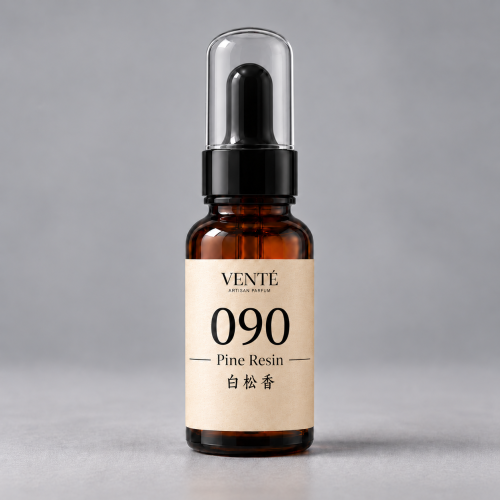 Pine Resin (white rosin) is derived from the solid resin remaining after distilling turpentine from pine trees, including species such as Pinus massoniana. Found widely across temperate forests of the Northern Hemisphere, pine resin has long been valued for fire-making, preservation, medicine, and ritual incense. In Eastern symbolism, pine trees represent longevity and resilience. In Europe, rosin is applied to violin bows, enabling sound through friction—an emblem of activation and movement. Its aroma is bright and resinous, with a crisp pine clarity reminiscent of sunlit forest air. Unlike the depth of agarwood, white rosin feels outward-moving and invigorating. In aromatherapy and spatial fragrance, it is used to refresh and energize environments. White rosin represents clarity, endurance, and upward vitality.
-
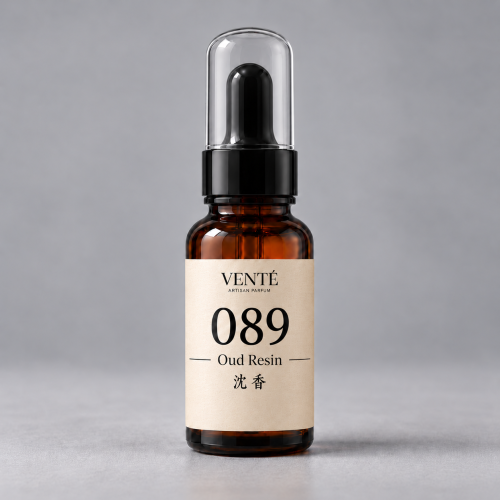 Oud Resin “Chen Xiang” is the classical Chinese term for agarwood, emphasizing its spiritual and cultural refinement. It is derived from trees such as Aquilaria sinensis, yet within Chinese tradition the character “Chen” conveys depth, stillness, and inward cultivation. From the Tang and Song dynasties onward, Chen Xiang became central to literati gatherings and meditative practice, alongside tea and floral arts. Song dynasty incense culture classified agarwood into prized grades, transforming it into an object of connoisseurship. In Japanese Kōdō, it is revered as “precious wood,” where one “listens” to incense rather than merely smelling it, cultivating awareness. Its aroma unfolds slowly and subtly, revealing layers of moist forest wood and resin aged by time. It does not overwhelm but resonates quietly. From ancient scholar studios to contemporary oriental perfumery, Chen Xiang represents restraint, depth, and inner awakening.
-
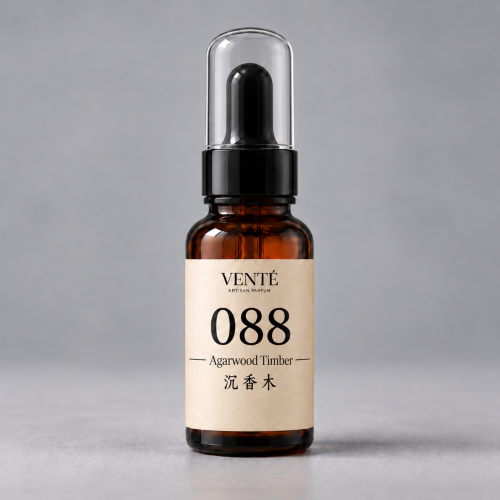 Agarwood is derived from trees such as Aquilaria malaccensis, which produce a dark aromatic resin when injured. Revered as one of the most precious woods, its history traces back to ancient India and Southeast Asia, recorded in Sanskrit texts and Arabic manuscripts. Through maritime trade routes, agarwood spread to China, Japan, and the Middle East, becoming central to court rituals and sacred ceremonies. In classical Chinese culture, burning agarwood accompanied meditation and literary refinement, its rising smoke symbolizing inward focus. In Islamic tradition, it was used in mosques and noble perfumery. Rich and resinous, agarwood forms the foundation of many oriental fragrance structures. It is not flamboyant but profound—a material shaped by time and patience. From royal courts to modern luxury perfumery, Agarwood represents depth, nobility, and inner steadiness.
-
 Frankincense is derived from the resin of trees such as Boswellia sacra, native to the Arabian Peninsula and the Horn of Africa. For thousands of years, it traveled along ancient incense routes from Oman and Yemen to Egypt, Jerusalem, and the Mediterranean, becoming central to sacred rituals. In ancient Egypt, its rising smoke symbolized a pathway to the divine; in Christian tradition, it was one of the three gifts representing holiness and blessing. The Greeks and Romans also used it for purification and contemplative ceremonies, linking it to spiritual elevation and silence. Its smoke rises lightly yet with gravity, as if guiding awareness upward. In modern perfumery and aromatherapy, frankincense creates depth and meditative calm. Subtle but powerful, it embodies vertical spiritual movement. From ancient temples to contemporary meditation spaces, Frankincense represents purification, elevation, and sacred connection.
-
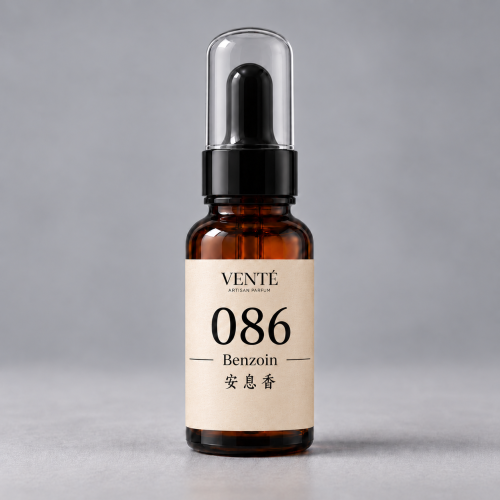 Benzoin refers to the aromatic resin derived from the tree Styrax benzoin, native to Southeast Asia, particularly Indonesia and Thailand. Ancient trade routes carried benzoin into the Middle East and the Mediterranean, where it became valued in religious incense and medicinal blends. In Egyptian and Byzantine traditions, its sweet smoke was seen as a bridge between the earthly and the sacred; medieval monasteries in Europe also used it for purification and comfort. Its warm, slightly vanilla-like sweetness made benzoin a stabilizing element in fragrance composition. With the rise of modern perfumery, it became central to oriental and amber accords, adding roundness and depth. Rather than loud, it envelops gently, forming a sense of protection. From sacred ritual smoke to contemporary base notes, Benzoin represents comfort, containment, and inner calm.
-
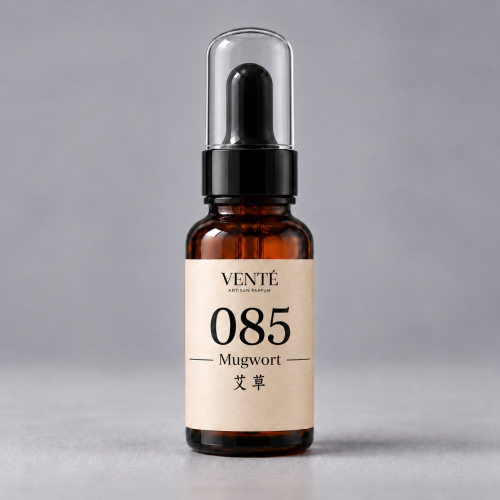 Mugwort commonly refers to Artemisia argyi, native to East Asia and deeply rooted in traditional herbal culture. It was recorded in early Chinese classics as a plant used for protection and physical restoration. During the Dragon Boat Festival, mugwort is hung at doorways to ward off negativity, symbolizing guardianship and stability; in moxibustion practice, the warmth produced by burning mugwort is believed to activate vital energy and restore balance. Its Latin name Artemisia is linked to the Greek goddess Artemis, connecting it in Western herbal lore to feminine protection and natural strength. Through centuries of exchange, mugwort became part of both Eastern and European folk traditions as a symbol of purification and transformation. In modern aromatherapy, it represents cleansing and grounding energy. Rather than ornate, it carries a deep herbal presence that safeguards boundaries. From ancient rituals to contemporary energetic renewal, Mugwort symbolizes protection, clearing, and inner steadiness.
-
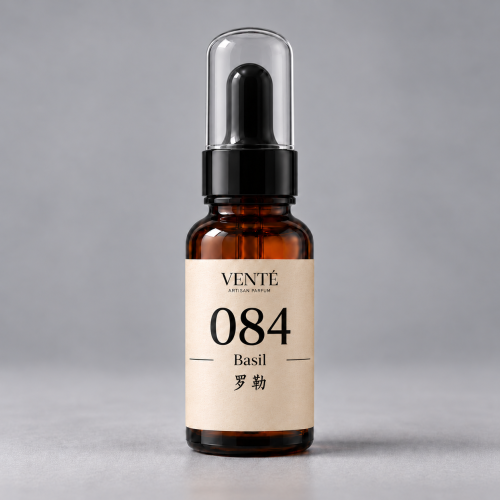 Basil refers to Ocimum basilicum, native to India and tropical Asia, long regarded as a sacred herb. In Indian tradition, Tulsi basil is dedicated to the deity Vishnu and symbolizes purity and protection, often planted at the center of households as a guardian plant. Through trade, basil spread to the Mediterranean, becoming essential in Greek and Roman cuisine and herbal practice. In medieval Europe, it was cultivated in monastery gardens as a protective and cleansing herb. Its scent carries fresh green brightness with subtle warmth. In modern perfumery and aromatherapy, basil represents mental clarity and renewal. From sacred ritual to contemporary fragrance, Basil symbolizes protection, clarity, and decisive action.
-
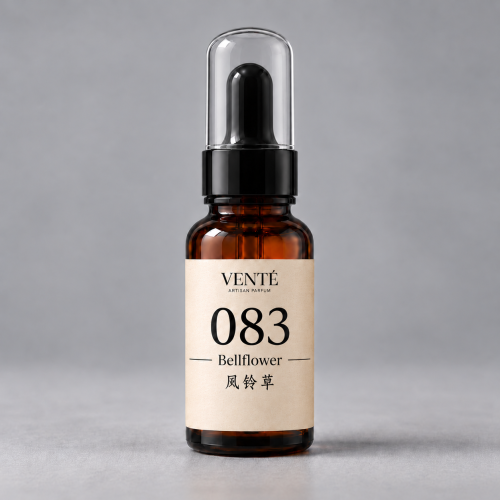 Bellflower commonly refers to the genus Campanula, native to Europe and temperate Asia, named for its small bell-shaped blossoms. Medieval European folklore believed that when bellflowers swayed in the night breeze, they carried the whispers of fairies, symbolizing a link between nature and the unseen world. In Celtic legends, bluebell-filled woodlands were considered fairy grounds, where people spoke softly in respect of nature’s hidden order. During the Renaissance, as botanical illustration and garden culture flourished, bellflowers became a symbol of quiet elegance, forming serene floral carpets without ostentation. In modern perfumery, bluebell accords represent lightness, clarity, and airy transparency. Neither as opulent as rose nor as intense as tuberose, it conveys a gentle resonance carried by wind. From enchanted forests to contemporary longing for calm, Bellflower symbolizes purity of heart, soft communication, and inner clarity.
-
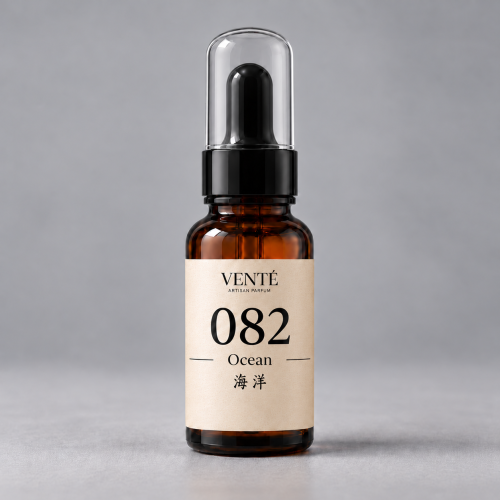 Ocean is not a single botanical material but a symbol of the planet’s most ancient and profound force. Since the dawn of civilization, the sea has been regarded as the origin of life and the boundary of the unknown. In Greek mythology, the sea god Poseidon governed tides and storms, representing power and untamed order; in Norse legends, the ocean connected realms and marked the beginning of exploration. The Phoenicians and later Mediterranean sailors relied on the sea to build trade routes and cultural exchange, turning it into a bridge of civilization. During the Age of Discovery, oceans became symbols of exploration and freedom. In modern perfumery, marine notes express freshness and open air rather than floral sweetness. From mythic authority to contemporary longing for freedom, Ocean represents depth, expansion, and self-discovery.
-
 Strawberry belongs to Fragaria × ananassa, originally cultivated in Europe and the Americas through hybridization of wild species. In medieval Europe, strawberries symbolized purity and humility, often appearing in religious paintings and monastery gardens as signs of spiritual simplicity and natural grace. The ancient Romans valued wild strawberries for celebrations and traditional remedies, associating them with restoration and vitality. After the Age of Exploration, American varieties were introduced to Europe, increasing in size and sweetness, and gradually becoming a symbol of seasonal joy. Its aroma carries bright fruity sweetness with a gentle tart freshness, like sun-ripened fruit releasing its scent. Youthful yet soft, it expresses delight without excess. From monastery gardens to modern gourmand perfumery, Strawberry represents innocence, pleasure, and lighthearted emotional expression.
-
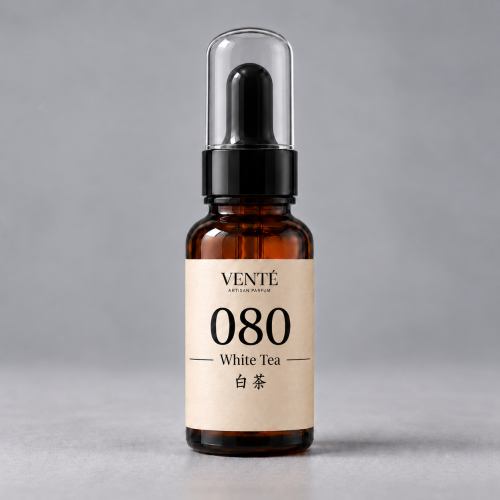 White Tea is derived from the tender buds and young leaves of Camellia sinensis, primarily cultivated in Fujian, China. It is among the least processed tea types, preserving the leaf in its natural state. Dating back to the Tang and Song dynasties, its simple sun-withering method reflected harmony with nature. Song scholars, who valued restraint and subtle aesthetics, regarded white tea as a drink of refinement and inner cultivation. With maritime trade expansion, it traveled to Southeast Asia and Europe, becoming an important export during the Qing dynasty and symbolizing Eastern elegance. Unlike bold black tea or the sharper tone of green tea, white tea carries a translucent softness, like morning mist over mountains. In modern perfumery and aromatherapy, it represents purity and balance, creating a clean and gentle atmosphere. From ancient literary gatherings to contemporary minimalist living, White Tea represents purity, equilibrium, and quiet inner strength.
-
 Peppermint refers to Mentha × piperita, native to Europe and the Mediterranean, long associated with clarity and protection. In Greek mythology, the water nymph Minthe was transformed into a herb after provoking Hades, and the mint rising from the earth became a symbol of renewal after suppression. The Greeks and Romans scattered mint leaves in banquets and homes to refresh the mind and purify the air, linking it with reason and order. During the Middle Ages, monastery herb gardens cultivated mint to ease fatigue and dispel heaviness, and travelers carried it as a companion of alertness. As trade and medical knowledge expanded, mint entered Eastern herbal traditions, continuing its role in clearing heat and balance. Modern aromatherapy and perfumery maintain this symbolism, positioning mint as a note of awakening and focus. It is not a soft floral presence but a clear, direct force; from mythic rebirth to modern mental clarity, Peppermint represents sharpened awareness, expressive confidence, and steady forward movement.
-
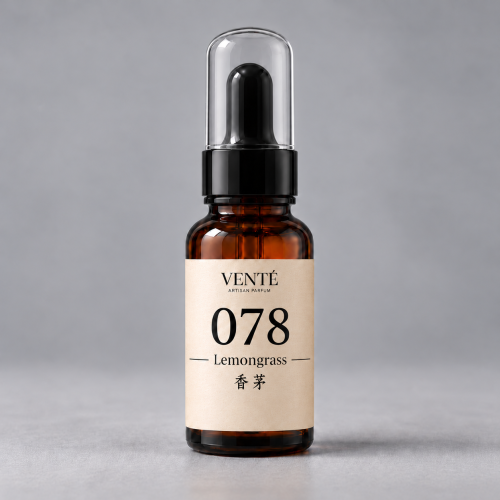 Lemongrass refers to Cymbopogon citratus, native to the tropical plains of India and Southeast Asia, and has long been associated with purification and ritual fire. In ancient Ayurvedic tradition, it was regarded as a botanical light capable of dispelling internal heat and stagnant energies; during Brahmanical dawn ceremonies, lemongrass was burned so that its rising smoke symbolized clarity of mind and the restoration of order. As maritime trade expanded across the Indian Ocean, this cleansing herb traveled into Southeast Asia, where in Thai and Malay folk customs it was hung at doorways or burned before homes as a protective presence. It did not belong to royal gardens, but to everyday life and domestic guardianship. During the colonial era, it was introduced to Europe and gradually entered perfumery and aromatherapy, becoming a symbol of alertness and forward momentum. Its essence has remained constant—not lavish bloom, but the quiet act of clearing the air when confusion gathers. From ancient ritual fires to modern spaces seeking renewal, Lemongrass represents purification, awakening, and the courage to begin again.
-
 Fig refers to Ficus carica, native to the Mediterranean and Western Asia, and one of the earliest cultivated fruit trees in human history. In ancient Egypt, figs were used in offerings and symbolized fertility and life. In Greece, they represented harvest and wisdom; Plato was even nicknamed a lover of figs. In biblical tradition, the fig tree symbolizes awakening and self-awareness, as its leaves were used to cover the body. In Buddhist symbolism, the Bodhi tree—belonging to the same genus—became a symbol of enlightenment. The scent of fig is layered and distinctive, blending green leafy freshness, creamy fruit sweetness, and soft woody undertones. It evokes not only the fruit but the entire tree—sun-warmed leaves, milky sap, and ripened flesh. From sacred offerings to philosophical meaning, Fig embodies abundance, awareness, and natural authenticity.
-
 Cactus commonly refers to species within the Cactaceae family, such as Opuntia ficus-indica. Native to Central and South America, it held sacred significance in Aztec civilization; the Mexican national emblem features an eagle perched upon a cactus, symbolizing resilience and destiny. Legend tells that the sun god guided the Aztecs to settle where they saw an eagle standing on a cactus, marking the founding of Tenochtitlan. In harsh desert landscapes, cactus stores water and survives extreme climates, becoming a symbol of endurance, protection, and inner strength. Though its flowers bloom briefly, they are vivid and radiant, and its fruit offers refreshing sweetness. In perfumery, cactus notes are often expressed through watery green freshness with subtle fruity brightness—clean yet firm. It does not express fragility, but rather quiet resilience. From desert mythology to modern symbolism, Cactus embodies independence, adaptability, and self-protection.


10 Anson Road, International Plaza #03-30
Singapore 079903 (Tanjong Pagar MRT)
Mon – Fri 9.30am – 8.30pm
Sat/Sun/PH 9.30am – 6.30pm
© Copyright VENTÉ Perfume Studio 2026